Just two years removed from an NBA Finals appearance, the Dallas Mavericks find themselves in an uncomfortable and unfamiliar place. Back to back playoff misses have created a sense of urgency inside the organization, and the franchise is now heading into what many consider the most consequential offseason in recent memory.
The pressure is real, the expectations are clear, and the decisions ahead will go a long way toward determining whether Dallas can recapture the competitive edge it showed not long ago.
A front office shakeup sets the tone
The Mavericks didn’t wait for the season to end to begin making moves. In November, the organization parted ways with general manager Nico Harrison following a turbulent start to the year. The decision came amid unusually vocal fan frustration, with supporters making their feelings known in the arena itself during game action a level of public pressure that is rare even by NBA standards.
The move signaled that Mavericks governor Patrick Dumont was not prepared to wait and see. With the franchise in a results-driven moment, change at the front office level was seen as a necessary first step toward broader organizational reform.
Jason Kidd’s status: Likely staying, but not guaranteed
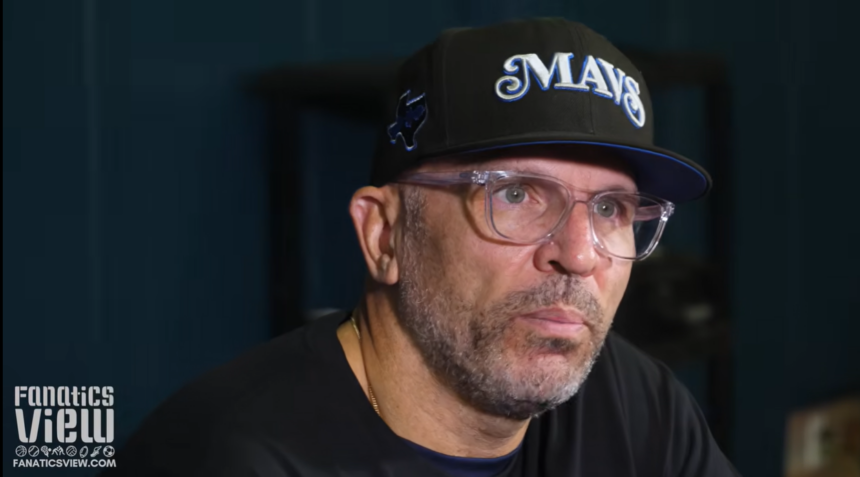
Despite the upheaval around him, head coach Jason Kidd appears set to return next season. Dumont has spoken positively about Kidd’s ability to work with and develop young players, a quality that takes on added importance given the presence of Cooper Flagg, the team’s standout rookie who is widely considered one of the frontrunners for Rookie of the Year honors.
Still, ESPN‘s Tim MacMahon has noted that a coaching change cannot be completely ruled out. The primary scenario that could alter Kidd’s status is not a firing but rather an outside opportunity specifically, if another franchise pursues him the way the New York Knicks did the previous summer. The sense within league circles is that if Kidd were presented with such an opportunity again, the Mavericks might not stand in his way.
Why Dallas might actually benefit from a Kidd departure
Counterintuitively, allowing Kidd to leave could work in the Mavericks’ favor from a financial standpoint. He was recently signed to a contract extension, meaning Dallas could receive compensation if another team acquires his services. With their future draft capital heavily depleted from previous transactions, the franchise is exploring every realistic avenue to rebuild its asset base.
Trading a coach is far from common in the NBA, but it is not without precedent. The Boston Celtics once sent Doc Rivers to the Los Angeles Clippers in exchange for a first round pick. Kidd himself was traded after one season with the Brooklyn Nets, heading to the Milwaukee Bucks for two picks after tensions over organizational control came to a head. Pat Riley, Stan Van Gundy and Mike Dunleavy Sr. have all changed addresses through similar arrangements.
None of these moves are described as likely for Kidd and Dallas, but the financial logic exists, and a new general manager may prefer to install a coach of their own choosing.
Cooper Flagg gives Dallas a genuine reason for optimism
Amid all the organizational noise, Flagg has been a rare bright spot. The rookie has exceeded expectations in his debut season, giving the franchise and its fans something concrete to feel encouraged about. His development is central to whatever vision the new front office leadership ultimately puts in place, and Dumont’s confidence in Kidd appears tied at least in part to how the coach has handled Flagg’s growth.
What the next few months will define
The Mavericks still have significant roster decisions ahead, and the identity of their next general manager will shape much of what follows. Whether Dallas retains Kidd, pursues new coaching options or manages to recoup draft assets through unconventional means, the offseason ahead is one the franchise simply cannot afford to get wrong.
Two playoff misses in a row have a way of concentrating the mind. For Dallas, the time to act is now.