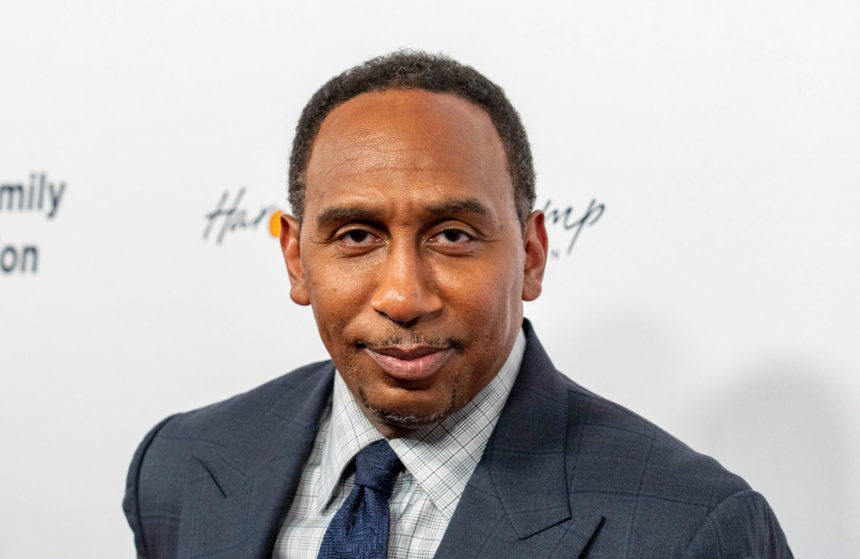
Injuries have always been part of professional basketball. But when a 41-year-old in his 23rd season is the healthiest player on a playoff-bound roster, the conversation about player fitness becomes impossible to avoid. That is exactly the conversation ESPN broadcaster Stephen A. Smith sparked this week, directing sharp criticism at NBA players for failing to follow the longevity blueprint that LeBron James has spent decades building.
Smith’s frustration was rooted in a specific moment. The Los Angeles Lakers, who had won 13 of 14 games and looked like a genuine postseason threat with James, Luka Doncic and Austin Reaves healthy and operating at a high level, suddenly find themselves entering the first round against the Houston Rockets without their top two scorers and playmakers. Doncic suffered a hamstring injury on April 2 and Reaves followed with an oblique injury shortly after, leaving James as the primary offensive engine at an age when most players retired years ago.
A durability argument backed by numbers
The contrast is striking on paper. Despite missing the Lakers’ first 14 games of the season due to a back condition, James finished the regular season with 60 games played. That total was nine more than Reaves and four fewer than Doncic, both of whom are more than a decade younger. The player widely assumed to be most at risk of breaking down physically has been the most available member of the team’s core.
Smith used that gap to make a pointed argument about accountability and effort. His position is not that injuries are always avoidable but that the level of investment players make in their physical maintenance varies considerably, and that too many are not doing enough given the resources available to them.
The average NBA salary now exceeds ten million dollars annually, with numerous star players earning in the range of forty to fifty million. James has long been known for his extraordinary investment in recovery technology, nutrition and sleep, with estimates of his annual body maintenance spending running well into seven figures. Smith’s argument is that the financial means to prioritize physical preparation at that level exist broadly across the league, and that the results most players show suggest they are not using those means accordingly.
An injury-driven playoff reshuffling
The broader NBA context gives Smith’s argument additional weight. The Oklahoma City Thunder won the 2025 NBA Finals in part because they were healthier than the Indiana Pacers at the moment it mattered most. The Pacers’ leading player was limited to a fraction of his normal output in the deciding game, and the Thunder’s deeper availability across their roster proved decisive.
The Lakers are now in a structurally similar position to the team that lost that series. James, operating as a third option when the roster was intact, is being asked to carry primary responsibility for the team’s offensive production at a moment when the playoffs demand peak performance. Whether that is sustainable across a full series against a healthy Rockets team is an open question.
What LeBron’s approach represents
James has never made his full physical regimen public, but the broad outlines are well-documented. Cold and heat therapy, meticulous sleep management, a diet built around performance rather than preference and a recovery investment that has reportedly reached into the millions annually have all been cited as pillars of his approach. He has spoken over the years about treating his body as his most important professional asset and structuring his life around protecting it.
Smith’s commentary frames that approach as something the rest of the league should be studying rather than admiring from a distance. The fact that it takes a 41-year-old to demonstrate what sustained physical commitment looks like, in the view of the broadcaster, reflects poorly on the standard the rest of the league has set.