Foot pain during walking is one of those problems that sounds minor until you are actually dealing with it. Unlike most discomforts that allow you to push through your day, foot pain has a way of making even the most ordinary movement feel like a negotiation. Physical therapists say this kind of pain is the body’s way of signaling that something in the foot is being irritated, overloaded or pushed past its limits, and it deserves attention rather than a dismissal.
The foot is a remarkably complex structure made up of bones, joints, ligaments, tendons and nerves, and any one of those components can become a source of pain when placed under too much stress. What many people do not realize is that pain in this context does not necessarily mean serious damage. In many cases it simply reflects the body responding to a demand it was not quite ready to meet. Walking involves thousands of repetitive steps each day, so even a modest increase in activity or a small change in footwear can accumulate into something the tissue can no longer comfortably absorb.
Why the top of the foot deserves special attention
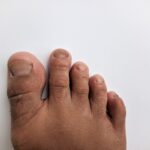
While heel pain and burning sensations in the ball of the foot tend to get more attention, pain on the top of the foot is another common complaint that physical therapists frequently encounter. This area tends to be particularly sensitive to pressure changes and is home to the extensor tendons, which are responsible for lifting the toes during each step.
Pain in this region can also stem from stress fractures in the metatarsal bones, irritation in the midfoot joints or something as straightforward as shoes that do not fit well or laces tied too tightly across the top of the foot. Even small adjustments in footwear or walking load can trigger symptoms in this area, which is why it often catches people off guard when it flares up without an obvious injury.
What women over 50 should know
Foot pain can develop at any age and is especially common in people who spend long stretches on their feet. Some evidence suggests that women experience higher rates of foot pain overall, and hormonal changes during and after menopause may play a role. Declining estrogen levels can affect the flexibility of ligaments and the health of tendons, making those tissues more reactive to weight-bearing activity. For women in this stage of life, paying attention to foot health is not just about comfort but about staying mobile and active over the long term.
Three at-home fixes worth trying
For foot pain that is not progressively worsening, has not lasted more than a few weeks and does not make it difficult to bear weight, there are practical steps that can make a real difference without a clinic visit.
The first is building walking tolerance gradually. Jumping into a longer or more intense walking routine too quickly is one of the most common reasons foot pain develops. Increasing distance and time in small increments every few days gives the tissues a chance to adapt rather than react. Pairing that with adequate rest between sessions supports recovery and keeps irritation from building up.
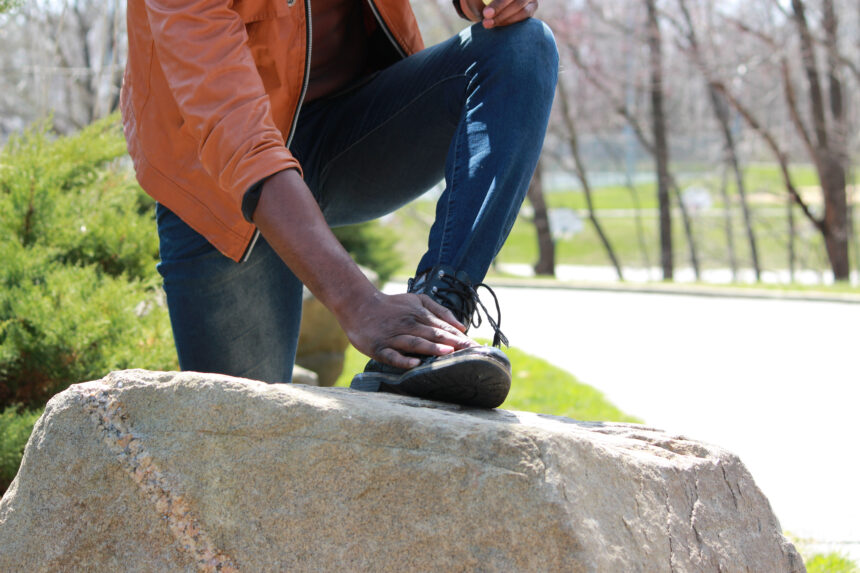
The second is rethinking footwear. Shoes that fit well, offer enough room in the toe box and provide cushioning help distribute pressure more evenly across the foot. Even adjusting how laces are tied can relieve tension on sensitive areas.
The third is strengthening the foot and ankle. Simple exercises like toe lifts and calf raises performed a few times a week can meaningfully improve muscle support and reduce the strain placed on tendons and joints during walking.
If pain persists, worsens or makes weight-bearing difficult, seeing a physical therapist or physician is the right next step.