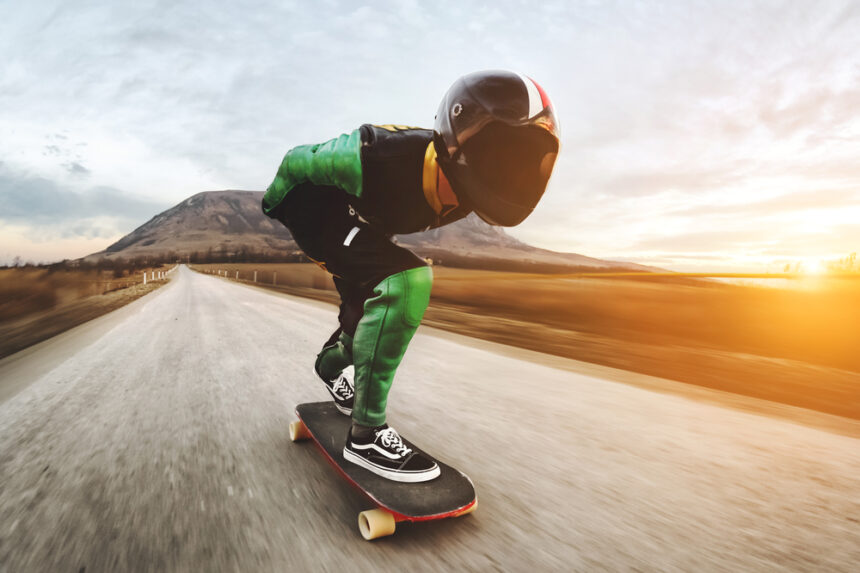
There is something undeniably freeing about gliding down an open stretch of road on a longboard — wind in your face, wheels humming beneath your feet, and the world blurring past in the best possible way. Longboarding has exploded in popularity over the years, and for good reason. It is accessible, thrilling, and surprisingly easy to pick up when you know what you are doing. If you have been eyeing that board in the shop window and wondering where to even begin, this guide is exactly what you need.
What Makes Longboarding Different From Skateboarding
The first thing most beginners get wrong is assuming longboarding and skateboarding are the same thing. They are not. Longboarding uses a longer, wider deck that offers significantly more stability — making it far more beginner-friendly than a traditional skateboard. The wheels are also larger and softer, which means a smoother ride over cracks, pebbles, and uneven pavement.
While skateboarding leans heavily into tricks and technical street skating, longboarding is built around cruising, carving, and in more advanced circles, high-speed downhill runs. The learning curve for longboarding is gentler, which is exactly why so many people fall in love with it almost immediately.
Gear You Actually Need Before You Ride
Jumping on a longboard without proper gear is a fast track to a painful lesson. Before your first ride, make sure you have the following essentials locked in
- A quality helmet that fits snugly — non-negotiable for longboarding at any speed
- Knee pads and elbow pads to protect the joints most likely to hit the pavement
- Wrist guards, because the instinct to catch a fall with your hands is universal
- Closed-toe shoes with flat soles for maximum board feel and grip
- A longboard suited for beginners — wider decks with softer flex work best
Longboarding gear does not have to break the bank, but cutting corners on safety equipment is never worth the savings. A good helmet alone can be the difference between a minor spill and a serious injury.
Your First Ride — What to Expect
The first time you step onto a longboard, everything will feel slightly unstable — and that is completely normal. Longboarding rewards patience, and the first few sessions are less about speed and more about finding your footing. Start on a flat, open surface away from traffic and practice simply standing on the board and shifting your weight side to side.
Once balance starts feeling natural, practice pushing off with one foot while keeping the other centered on the deck. Longboarding is all about smooth, controlled movements — jerky or sudden shifts will send you off the board faster than anything else. Focus on
- Finding your dominant foot and natural stance
- Practicing slow, wide turns by leaning gently into each direction
- Learning to foot brake by gradually lowering your back foot to the ground
- Building confidence at low speeds before chasing any kind of downhill thrill
The Longboarding Community Is Half the Fun
One of the most underrated parts of getting into longboarding is the culture surrounding it. The longboarding community is welcoming, passionate, and genuinely excited to bring new riders into the fold. Local skate parks, online forums, and social media groups are packed with experienced riders happy to share tips, recommend gear, and hype up a beginner’s first successful run.
Longboarding is also one of those rare sports where progress feels fast and visible. Within a few weeks of consistent practice, most beginners go from wobbling on flat ground to carving smooth lines with real confidence. That progression is addictive in the best way possible — and before long, that open road starts calling your name in a way that is very hard to ignore.