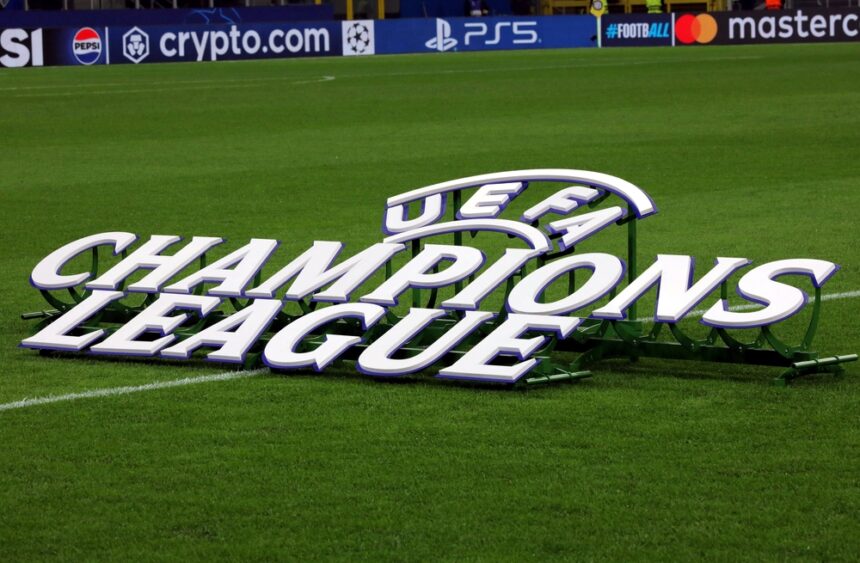
Two decades is a long time to wait. The last time Arsenal appeared in a UEFA Champions League final, Thierry Henry was still in the squad and José Antonio Reyes was in the starting eleven. That was Paris, 2006. This time, it is Budapest, 2026, and the club that has spent twenty years in the shadows of European football is back in the place where legacies are made.
The final is set for May 30 at the Puskas Arena in Budapest, with kickoff scheduled for 17:00 BST. The 67,000-seat stadium, named for Hungarian football icon Ferenc Puskas and home to the Hungarian national team, has hosted major European fixtures before, including the 2023 Europa League final, but this will be its first Champions League final.
How Arsenal and PSG got here
Arsenal’s path through the knockout rounds reflected everything Mikel Arteta has built at the club. They eliminated Atletico Madrid over two legs, drawing 1-1 in the first before winning 1-0 in the second to advance on aggregate. The margin was narrow but the performance was controlled, which has become something of a signature for this team on the continent.
PSG’s semifinal was considerably louder. They drew 5-4 with Bayern Munich in the first leg before a 1-1 result in the second sent them through. The aggregate scoreline was dramatic, but PSG’s ability to absorb pressure and hold their position across both matches said something meaningful about their composure as defending champions.
PSG won the 2025 final with a 5-0 victory over Inter Milan. Winning back-to-back Champions League titles would place them in rare company. Real Madrid is the only club in the modern era to have done it.
Arsenal’s numbers and what they mean going into the final
The statistical picture of Arsenal’s Champions League campaign is striking. Arteta’s side scored 29 goals across the competition while conceding just six, giving them the best defensive record of any team in this season’s tournament. Their nine clean sheets lead all remaining clubs by a significant margin.
There is a persistent narrative that Arsenal rely too heavily on set pieces in domestic competition, but the European numbers complicate that story. They have scored only five set-piece goals in the Champions League this season, suggesting a more adaptable approach when the tactical demands shift. Arteta has pushed back on the criticism, and the results support him.
Domestically, Arsenal entered the final stretch of the Premier League season sitting five points clear of Manchester City. A first league title since 2004 would complete one of English football’s more remarkable rebuilds. Doing it in the same season as a Champions League final would make it something else entirely.
What PSG brings and what the final will likely turn on
PSG arrive as the team that has already done what Arsenal is chasing. The French club spent years dominating Ligue 1 after their Qatari acquisition in 2011 without translating that dominance into European success. Last season ended that wait in decisive fashion. They are not a side looking to prove something. They are a side looking to repeat it.
The contrast in styles sets up a final with genuine tactical interest. Arsenal’s discipline and defensive structure against PSG’s attacking ambition will produce a game where margins matter and shape matters more than individual moments, at least until one side breaks the pattern.
Ticket access has already become its own subplot. UEFA allocated 16,824 tickets to Arsenal, with priority given to supporters who attended qualifying home and away matches. Season ticket holders without that qualification entered a ballot system. Prices range from €70 for the cheapest seats to €950 for premium locations, with roughly 4,600 tickets made available to the general public. Demand has significantly exceeded supply since the allocation was announced.
May 30 is the date. Budapest is the place. Twenty years is the context.