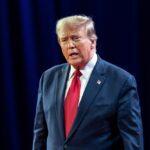
A political relationship that began with a warm Oval Office visit has hit a wall. President Donald Trump took to social media Thursday to unleash a sharp rebuke of New York City Mayor Zohran Mamdani after the mayor announced a new tax targeting the city’s wealthiest part-time residents. The pushback from Trump, a longtime New York real estate figure who owns multiple properties across the city, was swift and pointed.
Mamdani had announced the measure a day earlier in a video posted to his own social media accounts, framing it as the fulfillment of a central campaign promise. The mayor had run explicitly on a platform of taxing the rich, and he presented the new policy as a direct extension of that pledge.
What the new tax actually does
The measure introduces New York City’s first tax on pieds-à-terre, a French term for secondary residences owned by people who do not live in the city for the majority of the year. The policy takes aim at high-value properties owned by wealthy individuals who spend only part of their time in New York while avoiding many of the financial obligations that come with full-time residency.
The tax has the backing of New York Governor Kathy Hochul, a Democrat, who has championed it as a tool to help close a projected $5.4 billion fiscal gap heading into the next budget cycle. Supporters argue the measure is a practical and equitable way to generate revenue from some of the city’s most valuable and underutilized real estate.
A dramatic shift in tone
Trump’s response marked a notable change from just a few months ago. Last November, Mamdani, who had just been elected mayor, paid a visit to the president at the White House. The meeting struck observers as unusually warm for two figures on opposite ends of the political spectrum, with some describing it as a genuine show of goodwill between the incoming mayor and the returning president.
That goodwill appears to have evaporated. Trump’s online post made clear he views the new tax as deeply misguided, and his reaction landed with the kind of force he typically reserves for political opponents he views as direct threats.
A pointed moment between the two
The tension between them surfaced in an exchange that captured the awkward reality of their evolving dynamic. During a public appearance, a reporter asked Mamdani whether he still held the view he once expressed that Trump was a fascist. Before the mayor could fully respond, Trump interjected, suggesting Mamdani could simply confirm the assessment.
Mamdani appeared to acknowledge the moment without pressing further. It was a brief but telling interaction, one that illustrated how much the relationship between the two has shifted since their November meeting.
What comes next
The pied-à-terre tax still faces legislative and legal hurdles before it can take effect. But its announcement has already succeeded in reigniting a familiar debate in New York politics about who bears the financial burden of keeping the city running and whether the ultra-wealthy who benefit from its prestige and infrastructure should contribute more.
For Trump, the issue is personal in more ways than one. As a real estate developer who built his empire largely in New York, any policy targeting high-value property ownership in the city lands close to home. His reaction made that clear.