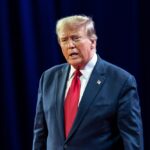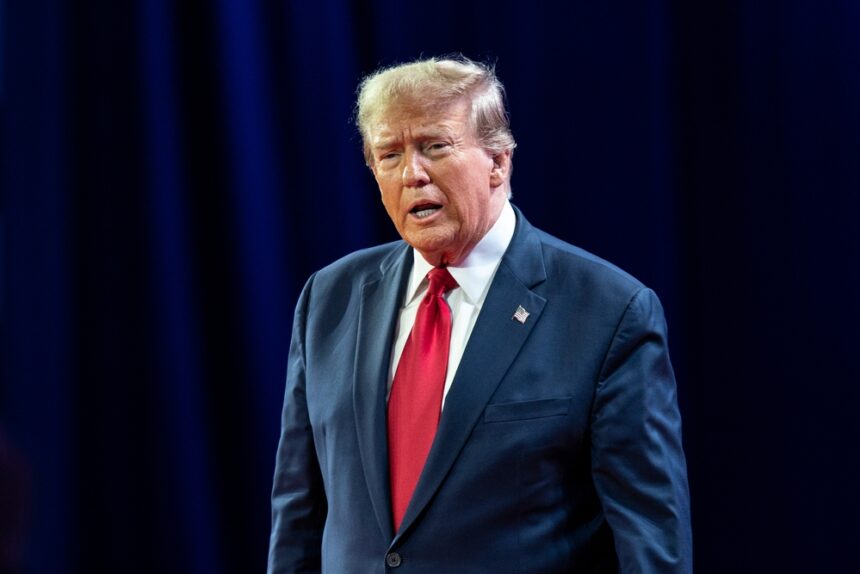
President Trump issued a sweeping condemnation of Spain at the NATO summit in Ankara, Turkey on July 8, calling the country a terrible partner in the alliance and saying he wants to cut off all trade with Madrid, including tourism, over what he characterized as Spain’s consistent failure to meet its NATO obligations.
The remarks were among the sharpest Trump has directed at any NATO ally and reflected a bilateral relationship that had already deteriorated significantly over the past year. Trump described Spain as a burden being carried by other alliance members and suggested the country refuses to participate in or commit to the collective defense arrangements that NATO membership requires.
What drove the confrontation
The friction between Washington and Madrid has been building since Spain declined to join other NATO members in pledging to increase defense spending to the alliance’s two percent of GDP target last year. The refusal put Spain in a minority among alliance members at a moment when the Trump administration has made defense spending compliance a central demand of its NATO policy.
Relations deteriorated further when Spain refused to allow United States forces to use its military bases or airspace during operations related to the Iran conflict. That refusal, made during an active American military engagement, was interpreted in Washington as a particularly serious breach of alliance solidarity, going beyond the slower-moving disagreement over spending targets and into the territory of real-time operational consequences.
Trump’s comments at Ankara reflected the accumulated frustration from both disputes. He framed Spain’s non-participation not as a policy disagreement but as a fundamental failure of alliance membership, and he called on other NATO allies to stop accommodating Spain’s behavior by collectively shouldering obligations the country was not meeting.
The scope of Trump’s threatened response
The trade threat Trump articulated in Ankara goes substantially further than previous criticism of NATO allies over spending shortfalls. While he has pressured multiple European countries over defense budgets, calling for cutting off all trade with a specific NATO member, including what he described as visits, represents an escalation in both scope and specificity that has not previously been directed at a major European ally.
Whether such a cutoff would be implementable or enforceable given the complex web of trade agreements governing commerce between the United States and Spain, including through the broader framework of US-European Union trade relations, is a question that trade lawyers and policy analysts will immediately be working through. Trump has previously threatened trade measures that were subsequently modified or walked back through negotiation, but the public declaration at a NATO summit carries weight that a more casual statement would not.
Spain’s position within NATO
Spain has been a NATO member since 1982 and maintains active participation in various alliance activities and multilateral deployments, though its defense spending as a share of GDP has historically ranked among the lower figures among Western European members. The country has cited domestic budget pressures and constitutional constraints as factors in its spending trajectory, arguments that the Trump administration has shown little patience for given its emphasis on the two percent target as a non-negotiable baseline.
The reaction from Madrid to Trump‘s Ankara remarks had not been formally issued at the time of reporting. The remarks are likely to produce a significant diplomatic response from the Spanish government and to generate discussion within other NATO capitals about how the alliance manages the increasingly acute tensions between the United States and members who fall short of its spending expectations.