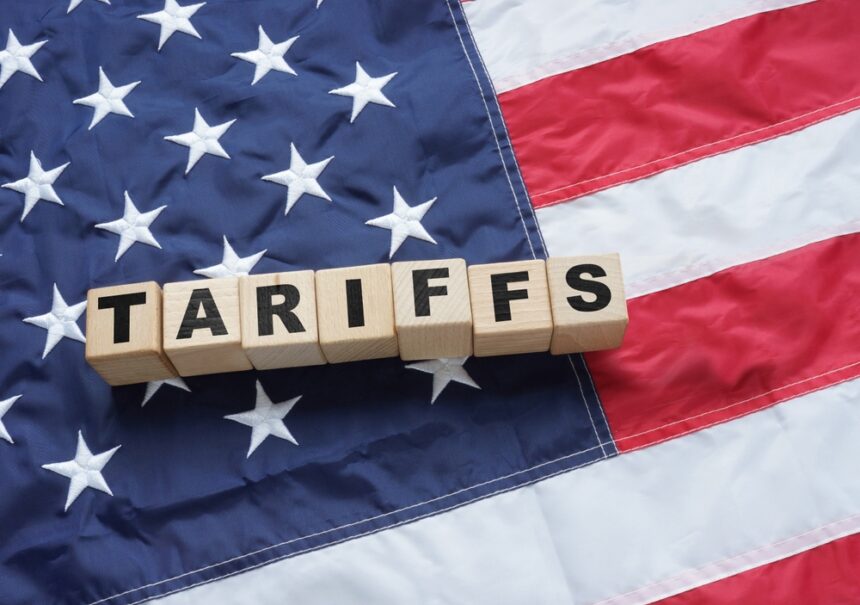
A coalition of 22 Democratic attorneys general publicly opposed the Trump administration’s proposed tariffs on countries accused of failing to stop forced-labor goods from entering global supply chains, arguing in a letter to the US trade representative on July 6 that the measures are unlawful, insufficiently connected to their stated purpose, and would impose significant costs on American consumers.
The coalition is led by California’s attorney general and includes counterparts from 21 other states, spanning the Northeast, Midwest, Mid-Atlantic, and West Coast. The letter was signed by attorneys general from Oregon, Arizona, Colorado, Connecticut, Delaware, Illinois, Maine, Maryland, Massachusetts, Michigan, Minnesota, Nevada, New Jersey, New Mexico, New York, North Carolina, Rhode Island, Vermont, Virginia, Washington, and Wisconsin.
What the coalition is alleging
The attorneys general made two primary arguments against the tariffs. The first is procedural and legal, contending that the proposed measures are not sufficiently grounded in the forced-labor rationale the administration cited to justify them. The coalition argued that the connection between the stated concern, preventing forced-labor goods from entering American markets, and the actual design of the tariffs is too weak to support the legal authority being invoked.
The second argument is practical and economic. California’s attorney general, speaking for the coalition, characterized the proposed tariffs as effectively covering countries that account for more than 99 percent of American imports, a scope so broad that it would function as a general tariff rather than a targeted response to a specific trade concern. He described tariffs as taxes and argued that consumers who are already managing elevated costs from other economic pressures cannot bear the additional burden the proposed measures would create.
The constitutional and legal backdrop
The coalition’s letter also alleged that the administration is using the forced-labor framing as a vehicle to revive a broader tariff approach that had previously been challenged and struck down through judicial review. If that characterization is accurate, it would mean the administration is attempting to achieve through a new legal theory what it could not accomplish under a previous one, a practice that courts often view skeptically when reviewing executive branch action.
The Trump administration has used various legal authorities to impose tariffs during its tenure, and the courts have periodically intervened to limit or reverse specific applications of that authority. The coalition’s invocation of a prior Supreme Court ruling suggests the attorneys general believe they have legal precedent that could support a challenge if the administration proceeds.
The states involved and the political landscape
The 22 states that signed the letter represent a substantial portion of the Democratic coalition in American politics, including the largest blue states by population and economic output. California alone accounts for the largest share of US economic activity among the states, giving the coalition significant economic standing alongside its legal arguments.
The letter to the trade representative represents the formal opening of what could become a broader legal and political challenge if the administration moves forward with the tariffs. Attorneys general have increasingly used multistate coalitions to challenge federal executive action across a range of policy areas, and this coalition has the resources and legal infrastructure to pursue litigation if negotiations fail to produce a halt to the proposed measures.
The administration has not publicly responded to the coalition’s letter since its submission on July 6.