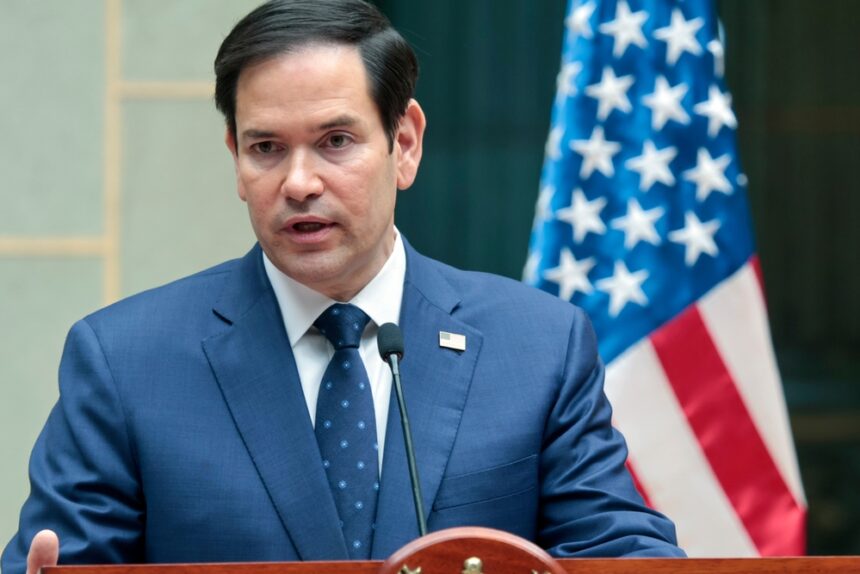
Secretary of State Marco Rubio announced a new global visa restriction policy this week aimed squarely at individuals responsible for or complicit in cybercrime and related offenses, marking a significant expansion of the tools available to address online criminal activity affecting Americans.
According to Rubio, the policy relies on an existing provision of federal immigration law and specifically targets people involved in activities such as cyberscams and sextortion schemes, both of which have become increasingly common tools used by criminal networks operating outside the country.
Why the policy also targets family members
Notably, Rubio indicated that immediate family members of those involved in these activities could also face similar visa restrictions under the new policy. That expansion signals a broader intent to limit the ability of individuals connected to these criminal networks to travel to or remain in the United States, extending consequences beyond the person directly responsible for the underlying offense.
Part of a larger effort against overseas criminal networks
This visa policy represents one piece of a wider strategy aimed at dismantling criminal organizations operating internationally that have defrauded American citizens out of substantial sums of money. Rubio emphasized that the administration continues to rely on a combination of tools to confront these networks, including financial sanctions, criminal prosecutions, asset seizures, extradition requests and ongoing cooperation with international partners.
What this could mean going forward
By adding visa restrictions to this broader toolkit, officials appear to be signaling a more comprehensive approach to combating cybercrime, one that extends beyond financial penalties or prosecution alone. Restricting travel access for both perpetrators and their close family members introduces an additional layer of consequence that could influence how these criminal networks operate going forward, particularly for individuals who may have previously relied on international travel as part of their broader operations.
Whether this new policy proves effective in curbing the kind of cyberenabled fraud and exploitation schemes it targets will likely depend on how consistently it gets enforced alongside the other measures Rubio referenced, including continued cooperation with law enforcement agencies and governments abroad working to identify and prosecute those responsible.
For now, the announcement reflects a continued emphasis from the State Department on using immigration and visa policy as a direct tool in addressing crimes that, while often carried out remotely or overseas, have caused significant financial and emotional harm to victims within the United States.