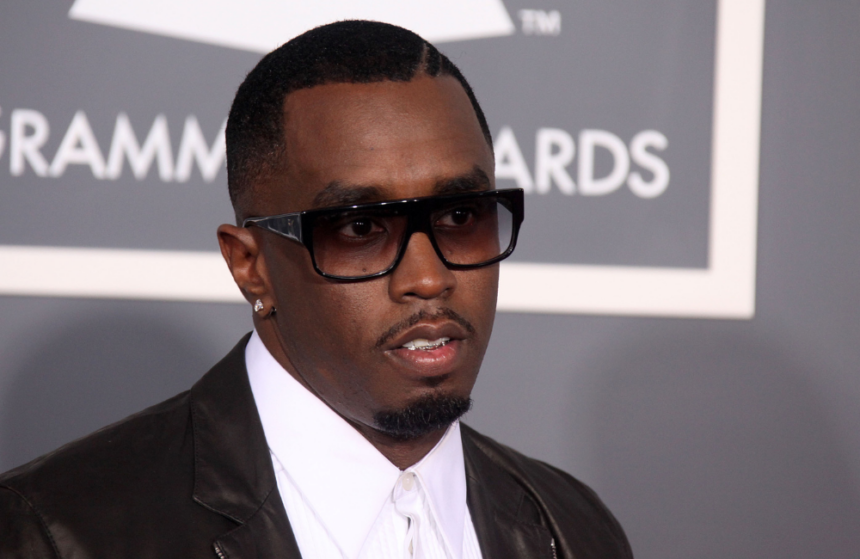
Sean Diddy Combs is now fighting to dismiss a revived lawsuit brought by Kirk Burrowes, a man who claims he endured years of sexual abuse and intimidation during his time at Bad Boy Entertainment. The lawsuit, refiled in 2025, lays out a deeply troubling series of allegations stretching back more than three decades allegations that Diddy’s legal team is aggressively working to shut down before the case moves any further.
Burrowes was one of the co-founders of Bad Boy Entertainment in 1993, giving him a front row seat to the label’s rise. According to the lawsuit, that proximity came at an enormous personal cost.
What Burrowes alleges happened
The claims outlined in the lawsuit are extensive and span several years. Burrowes alleges that the abuse began early in the label’s history, with Diddy repeatedly groping him in the office and using false pretenses to summon him into situations where he was exposed to sexual acts involving Diddy and other employees.
One of the most disturbing incidents described in the filing allegedly occurred during a 1995 business trip, when Burrowes says Diddy greeted him in a hotel suite without clothing and demanded that he watch him engage in a sexual act. The following year, in 1996, Burrowes alleges that Diddy physically pinned him down in an apartment, simulated intercourse, and pressured him into performing oral sex.
A separate 2013 incident also features prominently in the lawsuit. At the time, Burrowes was living in a Midtown Manhattan welfare hotel. He alleges that Diddy approached him on the street, bear-hugged him, and grabbed his rear end while one of Diddy’s associates allegedly made a threatening remark nearby.
How Diddy’s legal team is responding
Diddy’s attorney, Jonathan Davis, is contesting that the 2013 street encounter qualifies as a crime under New York City’s Gender-Motivated Violence Act. The defense’s position is that the alleged physical contact was not driven by sexual motivation but was instead a show of dominance and therefore does not meet the legal threshold the law requires.
The legal team is also targeting Burrowes attorney, Tyrone Blackburn, by citing previous court rulings that flagged some of Blackburn’s legal filings for containing fabricated citations generated by artificial intelligence. The move appears designed to undercut the credibility of the case before it gains further traction.
Coercion, threats and the loss of his stake
Beyond the sexual abuse claims, Burrowes also alleges a pattern of coercion that ultimately cost him his place in the company he helped build. In 1996, he says Diddy threatened him with a baseball bat and demanded that he surrender his 25% ownership stake in Bad Boy Entertainment. Burrowes alleges he signed it over under duress. He was fired the following year, in 1997, and claims he was subsequently blacklisted from the music industry entirely.
The years that followed were devastating. Burrowes says the fallout led to extended periods of homelessness and personal instability a sharp and painful descent from the heights of one of the most successful record labels of the 1990s.
Public corroboration and the Netflix documentary
Burrowes has not been entirely alone in bringing his story forward. In the Netflix documentary Sean Combs: The Reckoning, he spoke publicly about what he described as years of disturbing behavior. Childhood friend Tim Dawg Patterson appeared in the film as well, lending support to Burrowes account and describing him as among the most credible of those who have come forward with grievances against Diddy.
Where things stand
Diddy is currently serving a sentence at FCI Fort Dix following a conviction on Mann Act violations. The revival of Burrowes lawsuit adds yet another layer of legal pressure to an already complicated situation for the music mogul.
The case raises questions that extend well beyond one individual about power dynamics within the entertainment industry, the treatment of those who speak out, and what accountability ultimately looks like for figures who once seemed untouchable.