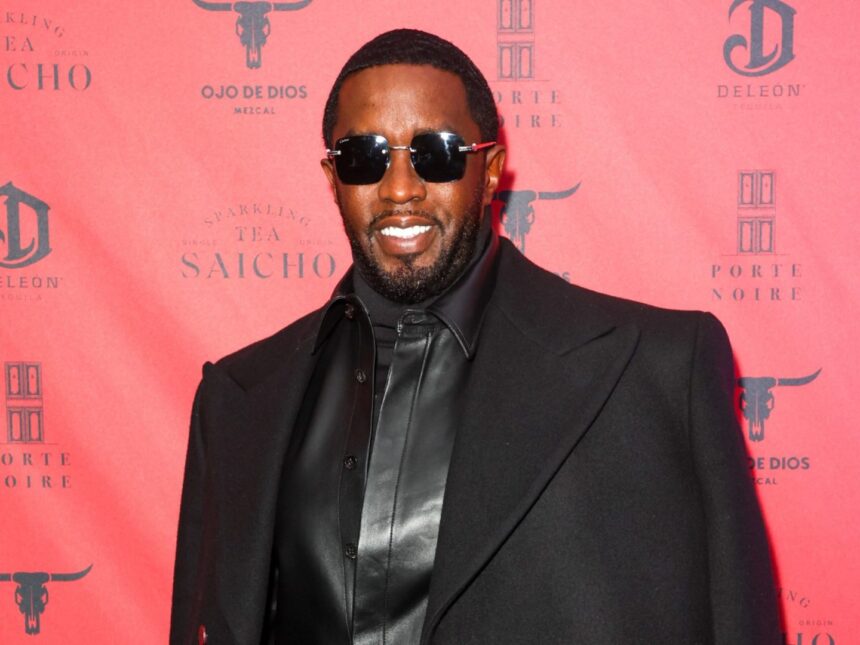
Sean Combs, widely known as Diddy, has taken a significant step forward in his $100 million defamation lawsuit after a federal court entered a default against Courtney Burgess on April 30, 2026. Burgess, who appeared on NewsNation in 2024 and claimed to possess videos of the rapper engaging in illegal activities, missed his deadline to respond to the legal filing, triggering the court’s ruling.
A federal court has recorded a default against Courtney Burgess after he failed to respond to Sean Combs defamation lawsuit, bringing the rapper one step closer to a potential $100 million judgment.
The default marks a meaningful procedural milestone for Combs, who is currently serving a 50-month sentence at FCI Fort Dix in New Jersey. While the ruling does not immediately result in a financial payout, it clears a path for his legal team to pursue a formal judgment that could hold Burgess liable for the full amount being sought.
What Burgess claimed on national television
During his NewsNation appearance, Burgess alleged that he had 11 flash drives containing videos showing Combs engaging in inappropriate conduct with various individuals, including minors. The claims spread rapidly across social media and drew widespread attention at a time when Combs was already facing intense public scrutiny.
Combs legal team moved swiftly to dispute the allegations, characterizing them as an entirely fabricated attempt to gain notoriety and profit at their client’s expense. The lawsuit, which also names Burgess’s attorney Ariel Mitchell and Nexstar Media Inc., the parent company of NewsNation, describes the situation as a coordinated effort to broadcast false information for personal and financial gain.
How the default ruling came about
Burgess was given until Feb. 2, 2026, to file a response to the lawsuit. According to court documents, Combs legal team made extensive efforts to ensure Burgess was properly notified of the proceedings. Those efforts included outreach through email, certified mail, text messages and newspaper advertisements published over the course of several weeks.
Despite those multiple attempts at notification, Burgess did not respond within the required window. The federal court then officially recorded the default, a procedural finding that acknowledges the defendant was adequately informed of the lawsuit but chose not to participate in the legal process.
What comes next for the $100 million case
With the default now on record, Combs attorneys are preparing to file a motion for a default judgment. If granted, that judgment could make Burgess financially responsible for the full $100 million in damages that Combs is seeking. However, the overall case is not yet resolved.
Mitchell, who served as Burgess’s attorney, has filed a separate motion to dismiss the claims against her, arguing that her statements do not meet the legal standard for defamation. That portion of the lawsuit remains active, meaning Combs’ legal team will continue to litigate on at least two fronts as proceedings move forward.
The broader picture for Combs
The lawsuit represents one of the few areas where Combs is currently pressing forward legally rather than defending himself. His ongoing incarceration has placed him at the center of a complex and layered legal landscape, and the outcome of this defamation case could carry considerable weight for his public standing.
A favorable judgment would offer Combs a form of public vindication on at least one set of allegations, even as he continues to serve his sentence. For Burgess, the consequences of failing to engage with the legal process could prove financially catastrophic if the court moves ahead with the default judgment request.
As the case continues to develop, the involvement of a major media company and a practicing attorney ensures it will remain closely watched both inside and outside the courtroom.