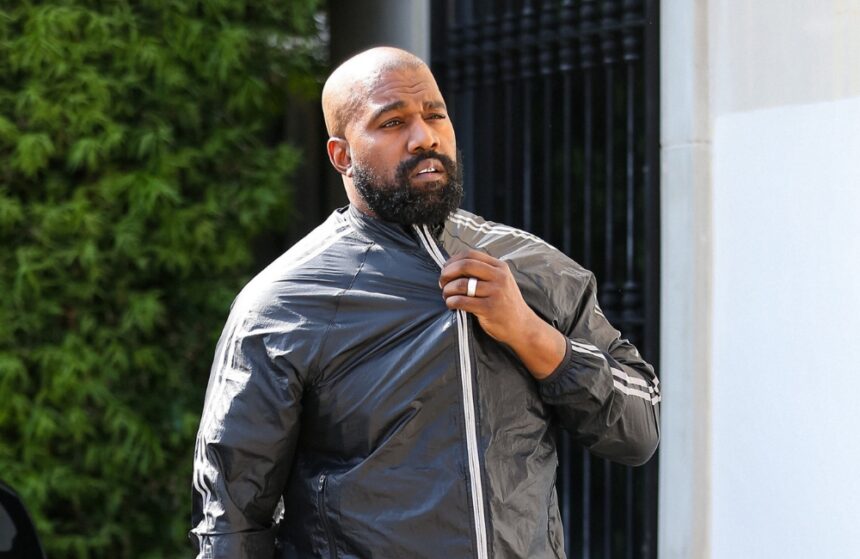
Kanye West, who performs legally under the name Ye, was photographed leaving the Simon Wiesenthal Center in Beverly Hills on the evening of April 20. The visit was unannounced and West did not speak to photographers as he exited the building and entered his vehicle. The outing drew immediate attention given the context surrounding his ongoing efforts to repair his relationship with the Jewish community following years of public antisemitic statements and behavior that significantly damaged his reputation and professional standing.
The Simon Wiesenthal Center is one of the most prominent Jewish human rights organizations in the United States, known for its work in Holocaust remembrance, education, and the fight against antisemitism globally. The nature and purpose of West’s visit were not publicly disclosed, but the timing aligned with a period in which he has been making visible efforts to signal a change in his public posture toward the Jewish community.
A tour unraveling across the continent
The Beverly Hills visit came as West’s planned European concert run continued to face serious obstacles. His scheduled performance in Marseille, France, in June was postponed after the French interior minister signaled strong opposition to the show and explored options to prevent it from proceeding. The government’s position was consistent with the reasoning offered by British authorities, who banned West from entering the United Kingdom entirely, forcing the cancellation of a three-night festival appearance in London.
West addressed the Marseille postponement publicly, framing the decision as one made after careful reflection. He acknowledged that his past actions had created consequences he was still working through and expressed continued commitment to making amends. He also made clear that he did not want his fans to bear the weight of the fallout from his history.
Days after the Marseille announcement, his scheduled performance in Chorzów, Poland, on June 19 was canceled by the stadium venue citing formal and legal reasons. The cancellation followed public statements from Polish government officials, including the culture minister, who argued that allowing West to perform in a country with Poland’s Holocaust history would be deeply inappropriate. Poland lost a significant portion of its Jewish population during World War II, and officials made clear that the cultural and historical weight of that reality shaped their position.
The bipolar disorder explanation and its reception
Before launching his comeback attempt, West had issued a public apology for his antisemitic statements and attributed his behavior to a manic episode connected to his bipolar disorder. The explanation was received with significant skepticism by many observers, though some mental health professionals noted that the disorder can cause individuals to act in ways that are impulsive, reckless, or dramatically out of character, and that the behavior West described in his apology was consistent with that clinical picture.
The public response remained divided. Some found the medical framing credible and called for a path toward accountability and rehabilitation. Others argued that the repeated and specific nature of the statements made the bipolar explanation insufficient as a full accounting of what occurred.
What comes next
West’s career trajectory over the past several years reflects the scale of the reputational damage sustained by his public conduct. Lost sponsorships, canceled partnerships, streaming bans, and now a string of European performance prohibitions have collectively narrowed the spaces available to him professionally. The visit to the Simon Wiesenthal Center, whether symbolic or substantive, suggests he continues to seek some form of formal engagement with the community most directly affected by his statements.
Whether those efforts will ultimately restore access to stages, audiences, and partnerships he has lost remains an open question. The pattern so far suggests that institutions and governments are applying their own independent judgments rather than waiting for a singular moment of resolution.