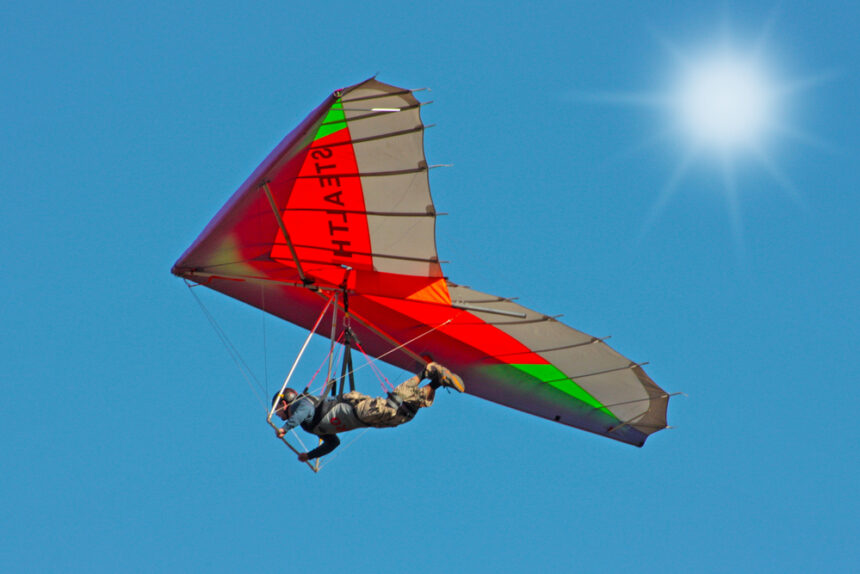
There is a specific kind of silence that only exists hundreds of feet above the earth — not quiet in the way a library is quiet, but quiet in the way that the world simply stops rushing. Hang gliding pilots know this feeling well. It is the reason they climb hills before sunrise, strap themselves beneath a triangular wing, and sprint off the edge of a ridge without hesitation. And increasingly, it is a feeling that an entirely new generation is determined to find for themselves.
Hang gliding — once written off as a relic of the freewheeling 1970s — is experiencing a sharp and undeniable resurgence. Instructors at certified flight schools report waitlists stretching weeks out. Online communities dedicated to the sport have swelled. And social media footage of pilots carving through crystal-blue skies has introduced the activity to millions who had never once considered leaving the ground without a motor beneath them.
Why Hang Gliding Hits Different
Unlike paragliding, which relies on a parachute-shaped canopy, hang gliding uses a rigid, aerodynamic wing — typically built from aluminum and high-performance sailcloth — that allows pilots to achieve speeds of up to 80 miles per hour and travel distances that once seemed unimaginable for an unpowered aircraft. The pilot hangs suspended in a harness below the glider, shifting body weight to steer with precision and fluidity.
The experience is visceral. It demands full physical engagement, situational awareness, and a deep reading of the atmosphere itself. Thermals — rising columns of warm air — are the invisible highways that hang gliding pilots navigate to gain altitude and extend flight. Learning to find and use them is part science, part instinct, and entirely addictive.
Hang Gliding Training Essentials
Getting into the sport is more structured — and safer — than most newcomers expect. Reputable flight schools follow a progressive curriculum that keeps students close to the ground until their skills match their ambition. A typical beginner’s path looks something like this:
- Ground lessons covering aerodynamics, weather reading, and equipment handling
- Low-altitude hill launches on gentle training slopes to develop balance and control
- Tandem flights with a certified instructor to experience real altitude before flying solo
- Progressive solo flights from increasingly higher launch sites
- Certification through a governing body such as the Hang Gliding and Paragliding Association
Most students complete beginner training within a weekend and are airborne on their own within a few months of consistent practice. The sport rewards patience and deliberate skill-building over recklessness — which is precisely why its safety record has improved dramatically over the past two decades.
The Community Powering the Hang Gliding Revival
Much of the sport’s recent momentum can be traced to a fierce, welcoming, and fiercely passionate pilot community. From regional flying clubs to competitive cross-country leagues, hang gliding attracts people who are drawn not just to adrenaline, but to the craft of flight itself. Weekend fly-ins at popular launch sites often double as informal festivals — pilots sharing gear knowledge, swapping weather tips, and cheering each other off the hill.
The representation within that community has also been shifting. More women, more younger pilots, and a more racially and culturally diverse group of flyers are showing up at training hills and competitions than at any point in the sport’s history. Flight schools that have prioritized outreach and made equipment more accessible through rental programs have seen the biggest surges in new student enrollment.
Gear That Gets You Off the Ground
A complete beginner setup — glider, harness, helmet, and reserve parachute — can run anywhere from $3,000 to over $10,000 new, depending on wing design and performance specifications. The good news is that a robust used-equipment market exists, and many flight schools offer rental gear while students are in training. High-performance competition wings used by elite pilots can exceed $15,000, but beginners are actively steered toward forgiving, stable designs built for learning.
Modern hang gliders are engineering marvels compared to the canvas-and-bamboo contraptions that defined the sport’s earliest days. Carbon fiber battens, computer-optimized sail shapes, and advanced harness suspension systems have made contemporary gliders dramatically safer and more efficient than anything available to the sport’s pioneers.
Hang Gliding Sites Worth the Trip
Certain launch sites have become legendary within the hang gliding world for their reliability, scenery, and quality of flight. A few that consistently draw pilots from across the country and beyond
- Lookout Mountain, Georgia — a top destination for beginners and veterans alike, with a professional flight school on-site and consistent ridge lift
- Kitty Hawk, North Carolina — where powered flight was born and where dune soaring remains a beloved tradition
- Dunlap, Tennessee — home to Henson’s Gap, one of the premier free-flight sites east of the Rockies
- Point of the Mountain, Utah — a legendary dual-sided flying site near Salt Lake City beloved for its consistent winds
- Fort Funston, California — a coastal bluff overlooking the Pacific where ocean breezes make for long, meditative glides
Each site has its own personality, its own quirks, and its own devoted regulars. Visiting a new site is itself a form of adventure — learning its rhythms, its local weather patterns, and the unwritten code of the hill.
The sky, it turns out, has plenty of room. And for those willing to sprint off the edge of something, it offers a reward that no engine, no safety net, and no algorithm can replicate. Hang gliding does not ask whether you are ready. It simply asks whether you are willing.