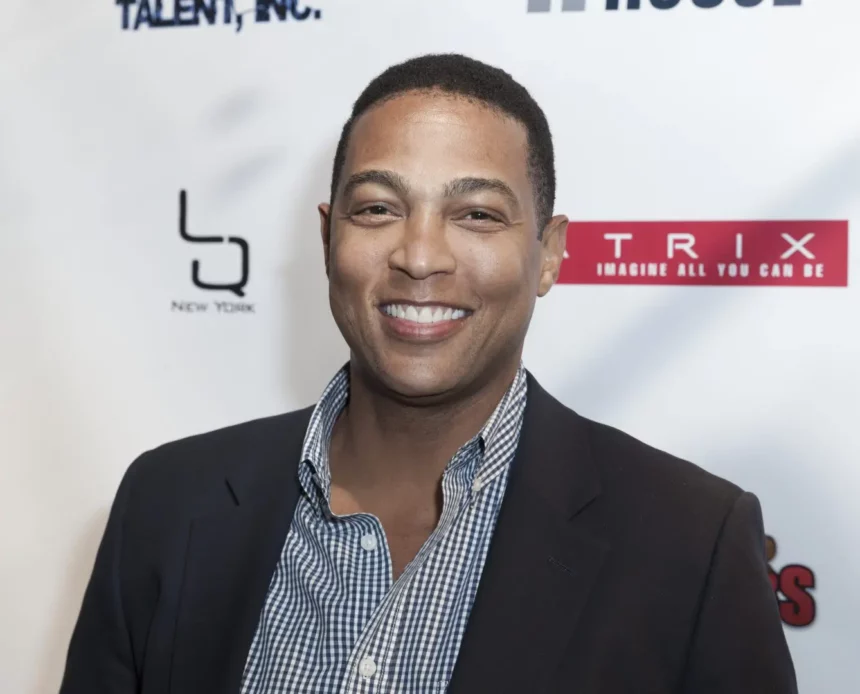
Former CNN anchor faces charges connected to church demonstration reporting during immigration enforcement operations
Former CNN anchor Don Lemon is expected to enter a not guilty plea Friday to charges stemming from his journalistic coverage of protests during federal immigration enforcement operations in Minnesota. Lemon, now working as a freelance journalist, was arrested January 30 following his coverage of a January 18 church demonstration where protesters alleged a pastor maintained connections to Immigration and Customs Enforcement.
- Former CNN anchor faces charges connected to church demonstration reporting during immigration enforcement operations
- The charges and legal allegations
- Journalism organizations respond
- Context of immigration enforcement operations
- Deaths during federal operations
- Federal prosecution and weaponization concerns
- Press freedom implications
Lemon allegedly followed protesters who entered a St. Paul church and live streamed the demonstration. A federal grand jury subsequently returned an indictment against Lemon and eight co-defendants connected to the church protest incident. The case has drawn significant attention from journalism organizations and free speech advocates concerned about the legal precedent the prosecution establishes.
The charges and legal allegations
Federal prosecutors charged Lemon with conspiracy against religious freedom rights at a place of worship and with injuring, intimidating, and interfering with the exercise of religious freedom rights. Attorney General Pam Bondi characterized the church protest as a deliberate, organized attack on the St. Paul church involved in the incident.
The charges represent an unusual application of federal statutes protecting religious institutions. Civil rights officials have noted that historical precedent rarely involved using religious worship protection statutes to prosecute journalists or protesters covering events at churches.
Journalism organizations respond
The National Association of Black Journalists issued a statement characterizing Lemon and fellow freelance journalist Georgia Fort’s arrest as part of government efforts to criminalize press freedom under law enforcement authority. The organization argued that government targeting of journalists covering controversial events constitutes intimidation rather than legitimate law enforcement.
Advocacy groups suggested that prosecuting journalists for covering protests at religious institutions establishes concerning precedent regarding government authority over press activities. The case raises fundamental questions about journalists’ rights to cover newsworthy events occurring in public or semi-public locations.
Context of immigration enforcement operations
The charges against Lemon arise amid broader federal immigration enforcement operations in the Minneapolis region. Border Patrol and ICE agents conducted multiple operations, generating substantial community protests and civil unrest around the metropolitan area. Immigration enforcement activities generated intense public reaction and organized resistance from communities concerned about enforcement tactics.
Border Czar Tom Homan announced Thursday that immigration enforcement operations specifically targeting the Minneapolis area would conclude. The announcement follows weeks of significant community disruption and protest activity responding to federal enforcement activities.
Deaths during federal operations
Federal agents fatally shot Minneapolis residents Alex Pretti, 37, and Renee Good, 37, during enforcement operations and related clashes. Good was shot on January 7 while apparently attempting to drive away from federal agents. Pretti was killed January 24 while assisting a woman who had been shoved to the ground during confrontations with federal personnel.
The Trump administration characterized both deceased individuals as domestic terrorists despite limited publicly available evidence that either shooting victim had directly threatened federal agents when fatally shot at close range. The characterizations generated significant community concern regarding federal classification of individuals involved in protest activities.
Federal prosecution and weaponization concerns
The prosecution of Lemon occurs within broader context of Trump administration initiatives addressing what officials characterize as weaponized federal authority. The administration established a Weaponization Working Group intended to identify instances of alleged criminal justice abuse by federal law enforcement. However, the working group’s leadership experienced recent disruption when its director was removed from position with minimal public explanation.
Critics argue that prosecuting journalists for covering protests represents the weaponization of federal authority that the administration claims to oppose. The apparent contradiction between stated administration positions and actual prosecutorial decisions has generated controversy regarding government consistency.
Press freedom implications
The Lemon case raises substantial questions regarding press freedom, government authority over journalism, and appropriate boundaries for prosecuting individuals present at public or semi-public demonstrations. Journalists covering newsworthy events face potential legal consequences that could significantly impact reporting on controversial government operations and protest activity.
The precedent established by this prosecution could influence whether journalists feel safe covering future immigration enforcement operations, protest demonstrations, or other controversial government activities. Chilling effects on journalism coverage represent serious consequences extending beyond the individual defendant.