

With the midterm elections just two weeks away, a legal battle over who belongs on the nation’s voter lists has escalated.
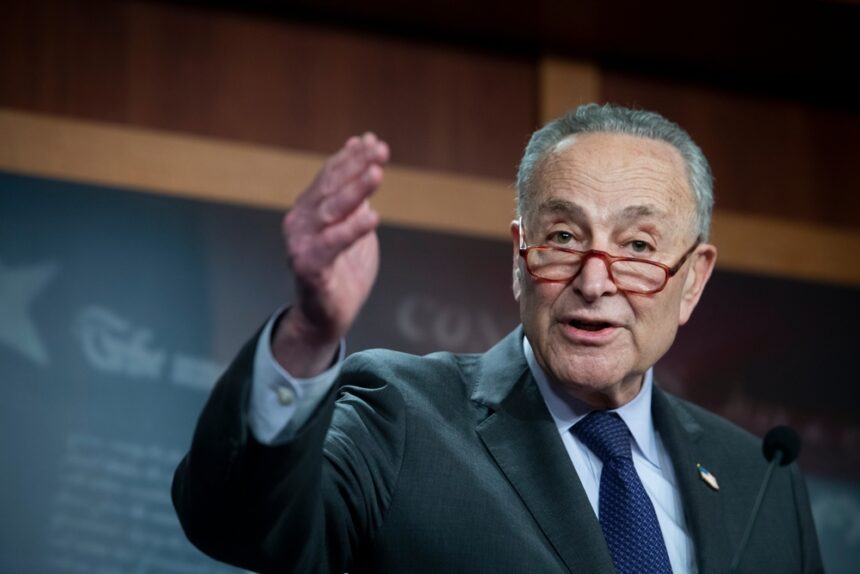
Senate Minority Leader Chuck Schumer, a Democrat from New York, and other Democrats sued the Trump administration on Oct. 20, 2026, over its effort to remove noncitizens from voter rolls.
What does the voter rolls lawsuit claim?
The suit, filed in federal court in Washington, argues that the administration’s effort relies on poorly assembled lists of supposed noncitizens that fall apart under even basic scrutiny. The Democrats are asking the court to stop the administration from interfering in how states manage their lists.
The Democrats contend the executive branch has no authority to oversee how states maintain their voter rolls, override state decisions about who can vote or decide who receives a ballot. Congress gave that responsibility to the states, they argue, with only a narrow enforcement power that the administration has not used.
What happened in Nevada?
The lawsuit points to Nevada as an example. The Department of Homeland Security said it had identified nearly 16,000 noncitizens registered to vote in the state.
The department later cut that number to 185. Nevada officials then said every one of those 185 voters appeared to be a citizen, and the department failed to back up even the smaller figure, the lawsuit says. That drop of nearly 99% became a central example in the lawsuit.
What happened in California?
The administration also tried to stop California from issuing ballots to more than 20,000 registered voters over citizenship concerns, according to the suit.
More than a quarter of the people on that list were actually born in the United States, the plaintiffs said. Wrongly blocking a ballot could prevent an eligible citizen from voting, critics of the effort say.
Why does the administration want to review voter rolls?
The administration says it wants to make sure only citizens vote. Noncitizens are barred from voting in federal elections, and doing so is a crime. Officials have said they want to remove anyone who is ineligible before the election.
Federal officials have expanded the use of a Homeland Security database to check voter registrations against citizenship records and have pressed states to share their voter rolls. Some states have voluntarily shared data, while others have refused, citing privacy laws and state authority over elections.
Supporters argue that cleaning up voter rolls protects the integrity of elections. Studies, however, have found noncitizen voting to be rare, and critics warn that flawed data can wrongly flag eligible citizens. Election experts note that states already run regular list maintenance to remove people who have moved or died.
What happens next in the voter rolls fight?
A federal judge will consider the Democrats’ claims. It was not immediately clear how the administration would respond in court. The case could move quickly given the approaching election.
The case adds to other legal challenges over federal access to voter information. Last week, voting and privacy groups sued the Department of Homeland Security, arguing that its compilation of voter data from nearly every state violates the Privacy Act.
A separate ruling this week found that giving the Department of Government Efficiency access to federal employee records violated the same law.
The timing is significant. Election officials in many states are already mailing ballots, and any court order could affect how they handle registrations before Nov. 3. Several states also allow voters to register close to Election Day.
For voters, the dispute raises questions about how their information is used. For both parties, control over voter rolls has become a central issue heading into Election Day.