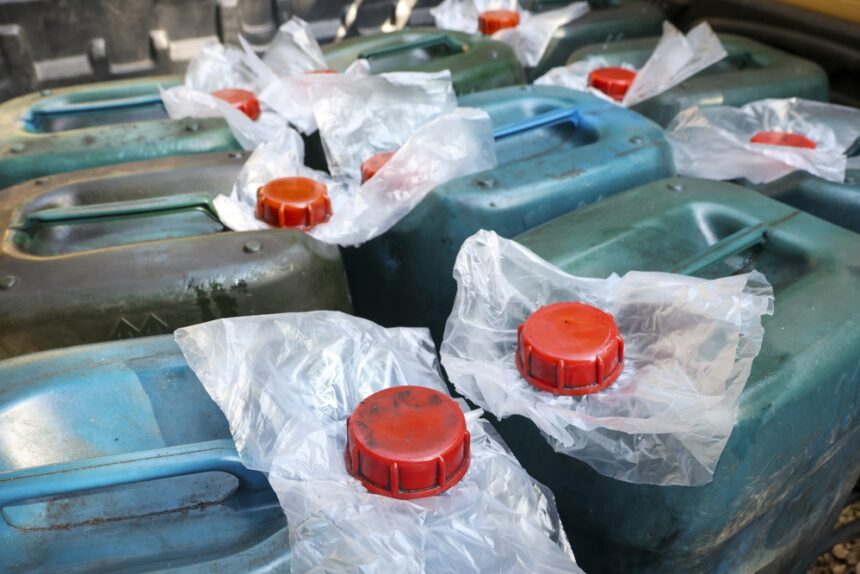
The United States imposed sanctions on two Mexican nationals and nine companies on June 30, targeting what the Treasury Department described as a sophisticated fuel smuggling operation linked to the Jalisco New Generation Cartel that has been generating tens of millions of dollars annually through cross-border fuel theft and tax evasion.
The operation involves moving fuel from the United States into Mexico through a network of shell companies while avoiding Mexican fuel taxes, according to Treasury officials. The revenue generated has funded the cartel’s broader criminal activities, adding a significant non-drug income stream to one of Mexico’s most powerful and violent criminal organizations.
How the fuel smuggling scheme works
The scheme exploits the price differential between fuel costs in the United States and Mexico, using shell companies and tax evasion mechanisms to profit from moving fuel across the border without paying the taxes and duties that legitimate commercial fuel distributors are required to pay. The illicit operation effectively undercuts legal fuel markets while generating cartel revenue that flows into a criminal enterprise responsible for significant violence and drug trafficking on both sides of the border.
Fuel theft and illegal fuel distribution, known in Mexico by the term huachicol, has emerged as one of the most significant alternative revenue sources for Mexican criminal organizations. Treasury officials described it as now ranking behind only narcotics as a generator of criminal income for cartel networks, a development that reflects both the scale of the illegal fuel trade and the cartels’ deliberate diversification of their revenue streams beyond traditional drug trafficking.
Why the US is targeting cartel finances this way
The sanctions are part of a broader strategy by the Trump administration to attack cartel financing wherever it can be found rather than focusing enforcement efforts exclusively on drug interdiction. By designating individuals and companies involved in fuel smuggling, the Treasury is attempting to disrupt revenue flows that support cartel operations including weapons acquisition, recruitment, and the corruption of government officials.
Treasury Secretary Scott Bessent characterized the action as a demonstration of how far Mexico’s cartels have expanded beyond drug trafficking to build sustainable criminal economies. The reference to deadly drugs that kill Americans framed the fuel sanctions within the broader public health and national security arguments the administration has used to justify escalating pressure on cartel finances.
The use of economic sanctions against cartel-linked entities is a tool that allows the United States to act against financial networks even when direct law enforcement jurisdiction is limited. Designating individuals and companies under Treasury’s sanctions authority freezes any assets they hold under American jurisdiction and prohibits American persons and entities from conducting financial transactions with the designated parties, effectively cutting them off from the US financial system.
The CJNG’s expanding criminal enterprise
The Jalisco New Generation Cartel is considered one of Mexico’s most dangerous and fastest-growing criminal organizations, having expanded aggressively from its origins in the western Mexican state of Jalisco to establish a national and international presence. The cartel has been involved in extreme violence against rivals and government forces and has established distribution networks for methamphetamine, fentanyl, and other drugs reaching the United States market.
The fuel smuggling operation targeted by the June 30 sanctions represents one component of a larger criminal enterprise that has diversified well beyond its original drug trafficking roots. The scale of the revenue generated, tens of millions of dollars annually from this single scheme, illustrates how Mexican cartels have developed into sophisticated criminal business organizations rather than purely violent drug trafficking groups.