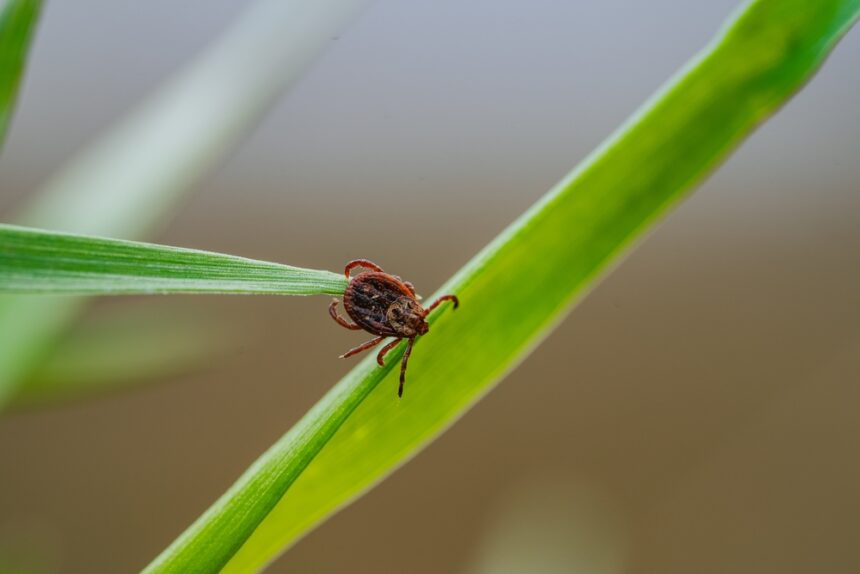
County health officials in Orange County, New York are calling on residents to take active steps to protect themselves from tick and mosquito bites this summer, as the region enters what is historically one of the most dangerous periods of the year for tick-borne illness in the Hudson Valley.
New York consistently ranks near the top of national charts for the number of reported tick bites, and the Hudson Valley has long been recognized as a particularly high-risk area for Lyme disease. A 2014 study of ticks collected in Orange County found that nearly three-quarters of the tested insects carried the Lyme disease bacterium, a figure that underscores the specific risk facing residents who spend time outdoors in the region.
Where ticks and mosquitoes are most commonly found
Understanding where these insects are most likely to be encountered is the first step in reducing exposure. Ticks are commonly found in wooded areas, tall grasses, leaf litter, and other humid environments where they wait on vegetation for a passing host. They are particularly prevalent along the edges of wooded paths, where grasses and shrubs meet open areas.
Mosquitoes present a different but related challenge. They breed and congregate wherever warm air meets standing water, and that includes sources that residents might not immediately consider. Water that collects in outdoor containers including buckets, bird baths, children’s toys left in the rain, and clogged gutters can all provide sufficient habitat for mosquito larvae. Eliminating standing water around the home is one of the most effective ways to reduce local mosquito populations.
The three steps health officials recommend
Orange County health officials have centered their prevention guidance around a framework of three principles, designed to be easy to remember and apply whenever residents head outdoors during peak tick and mosquito season.
The first principle is awareness. Knowing where ticks and mosquitoes are most active, understanding the seasons and conditions that increase risk, and checking the body carefully after outdoor activity are all part of staying alert to the possibility of exposure. Ticks can attach in difficult-to-see areas, and prompt removal within 24 to 36 hours significantly reduces the risk of disease transmission.
The second principle is attire. Wearing long sleeves and pants when walking through wooded or grassy areas limits the skin surface available to ticks. Tucking pants into socks and wearing light-colored clothing makes ticks easier to spot before they can attach. Treating clothing and gear with permethrin, a repellent that remains effective through multiple washes, provides an additional layer of protection.
The third principle is application. Using EPA-registered insect repellents on exposed skin is one of the most effective tools available for preventing both tick and mosquito bites. Products containing DEET, picaridin, or oil of lemon eucalyptus are among the options recommended by public health authorities for adults and children above certain ages.
Why the warning matters this season
The county executive’s public statement reflects a level of urgency that matches the scale of the regional risk. Lyme disease, if left untreated, can cause serious long-term health complications affecting the joints, heart, and nervous system. Other tick-borne illnesses including anaplasmosis and babesiosis have also been detected in the Hudson Valley region. Mosquitoes in New York carry their own risks, including West Nile virus, which has been detected annually in the state.
The combination of a historically high tick burden, a region with documented Lyme disease prevalence, and an active summer outdoor season makes prevention messaging particularly important this time of year.