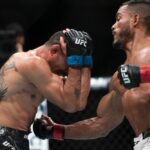
Dustin Poirier, one of the most respected figures in mixed martial arts over the past decade, was arrested Sunday in Georgia on a public drunkenness charge and released on bail, according to court records. The 37-year-old addressed the incident publicly the following day with a brief message acknowledging that he is continuing to work on himself.
Details surrounding the arrest beyond what appeared in Clayton County court records were not immediately available. Poirier did not elaborate on the circumstances but expressed love for his supporters and indicated the personal work he had been doing continues.
A journey toward sobriety made public
The arrest came months after Poirier had spoken openly about pursuing sobriety following his retirement from MMA last July. In posts made in the fall, he described a period of personal reflection and indicated he was making meaningful changes to his life. The language he used at the time pointed to someone actively examining his habits and choosing a different direction.
His Monday response following the arrest carried a similar tone, brief and without deflection. The message suggested someone who understood the moment for what it was and chose transparency over silence. For a fighter whose career was defined in large part by an authenticity that connected him with fans across the sport, the response was consistent with the character he had displayed throughout his time in competition.
A career that earned lasting respect
Poirier spent years as one of the most compelling competitors in the UFC’s lightweight division, building a body of work that included memorable contests against some of the best fighters of his era. He competed in multiple championship bouts and was involved in a string of high-profile rivalries that consistently drew significant attention from the sport’s fanbase.
His fights were known for their heart as much as their technical quality, and he became associated with a style of competition that prioritized giving everything inside the octagon regardless of the circumstances. That reputation extended beyond results and made him one of the genuinely beloved figures in the sport, someone whose career was discussed in terms of legacy rather than simply wins and losses.
Since retiring, Poirier has remained connected to the sport as an analyst, appearing regularly in a broadcast capacity for UFC coverage. The transition from active competitor to media contributor has given him continued visibility within the community he spent his career building relationships with.
A moment that invites patience rather than judgment
Public struggles with sobriety are not uncommon for athletes navigating the transition out of professional competition, a phase of life that removes the structure, purpose, and identity that years of intense training and competing provide. The difficulty of that transition is well documented, and Poirier’s willingness to have spoken about his journey before this weekend suggests a person who was not pretending the challenge did not exist.
What comes next belongs to him. His message on Monday asked for no specific response from those who follow him, offered no excuse, and promised nothing beyond the acknowledgment that the work is ongoing. For a fighter who built a career on showing up honestly in the hardest possible circumstances, that response was perhaps the most characteristic thing he could have said.