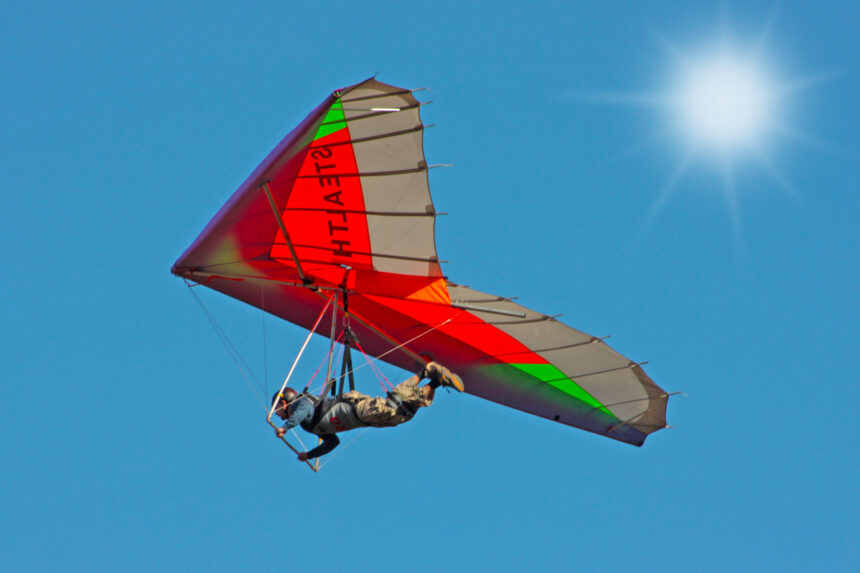
Hang gliding is not a hobby. It is a calling — one that pulls thrill-seekers, dreamers, and restless souls toward the edge of a cliff and dares them to jump. Rooted in decades of aviation history yet as electrifying as ever, this sport remains one of the most raw, unfiltered extreme experiences on the planet. Whether you are a first-timer weighing your options or a seasoned adventurer chasing your next high, soaring through open skies has something no gym, no trail, and no wave can ever replicate — silence at altitude.
What Hang Gliding Actually Is
This thrilling pursuit involves flying a non-motorized, foot-launched aircraft — a lightweight frame covered in a rigid sail wing. The pilot is suspended beneath the wing in a harness, controlling the glider by shifting body weight. There are no engines, no loud roars, and no complex dashboards. Just wind, physics, and instinct.
The sport traces its modern roots to the 1970s when aviation pioneer Francis Rogallo’s flexible wing design inspired a generation of daredevils to take to the skies. Since then, equipment has evolved dramatically, making hang gliding safer, more accessible, and more thrilling than ever before.
Why This Sport Still Dominates Extreme Athletics
In a world saturated with extreme sports content, hang gliding holds a rare kind of prestige. Here is why it continues to capture the imagination of athletes and adrenaline lovers worldwide
- Total freedom of flight — Unlike skydiving, pilots can soar for extended periods, sometimes hours, riding thermal air currents high above the earth.
- Full body engagement — Controlling the glider demands core strength, sharp reflexes, and intense focus, making it a genuine full-body workout.
- Mental clarity — Many pilots describe the experience as meditative. The focus required to stay airborne naturally silences anxiety and mental noise.
- Stunning visual access — Few sports offer panoramic views at this scale. Mountain ranges, coastlines, and valleys unfold beneath you in real time.
- Community and culture — The hang gliding community is tight-knit, passionate, and deeply welcoming to newcomers.
Hang Gliding for Beginners— What to Expect
First-time experiences typically come in one of two forms — a tandem flight with a certified instructor, or an introductory ground school course. Tandem flights are the most popular entry point and require zero prior experience. Here is a basic breakdown of what a beginner’s journey looks like
- Gear up — You will be fitted with a harness, helmet, and safety equipment before takeoff.
- Briefing — Your instructor walks you through basic body positioning, weight shifting, and landing protocol.
- Launch — Most beginner sites use gentle hillsides or tow-launch systems for a smooth, controlled liftoff.
- Flight — Tandem flights typically last between 20 and 45 minutes depending on wind conditions and altitude.
- Landing — Instructors guide the descent and handle the landing, so beginners can focus entirely on the experience.
Most certified training programs follow guidelines set by organizations such as the Hang Gliding and Paragliding Association, ensuring safety standards are consistently met.
Top Destinations Worth the Trip
Some locations have earned legendary status among pilots. The best spots combine ideal wind conditions, breathtaking scenery, and strong local instruction infrastructure
- Interlaken, Switzerland — Nestled between the Alps, this destination offers dramatic mountain launches and jaw-dropping aerial views.
- Rio de Janeiro, Brazil — The São Conrado launch site above Tijuca Forest is one of the most iconic spots in the world.
- Lookout Mountain, Tennessee — A top training site in North America, ideal for beginners and intermediate pilots.
- Stanwell Park, Australia — A coastal classic with consistent sea breezes and stunning cliffside launches.
- Bir Billing, India — Known as the hang gliding capital of Asia, this Himalayan valley draws pilots from across the globe.
Is Hang Gliding Worth the Risk
Every extreme sport carries inherent risk, and this one is no exception. However, modern advances in glider design, materials technology, and safety certification have made the sport significantly safer than its early reputation suggested. Fatal accidents are statistically rare when proper training is followed and certified equipment is used.
The real risk, seasoned pilots will tell you, is never trying it at all. The sensation of riding thermals thousands of feet above the earth — weightless, silent, and completely free — simply cannot be replicated on the ground. For those willing to take the leap, this sport does not just offer an adrenaline rush. It offers a perspective shift, a genuine recalibration of what it means to feel alive.