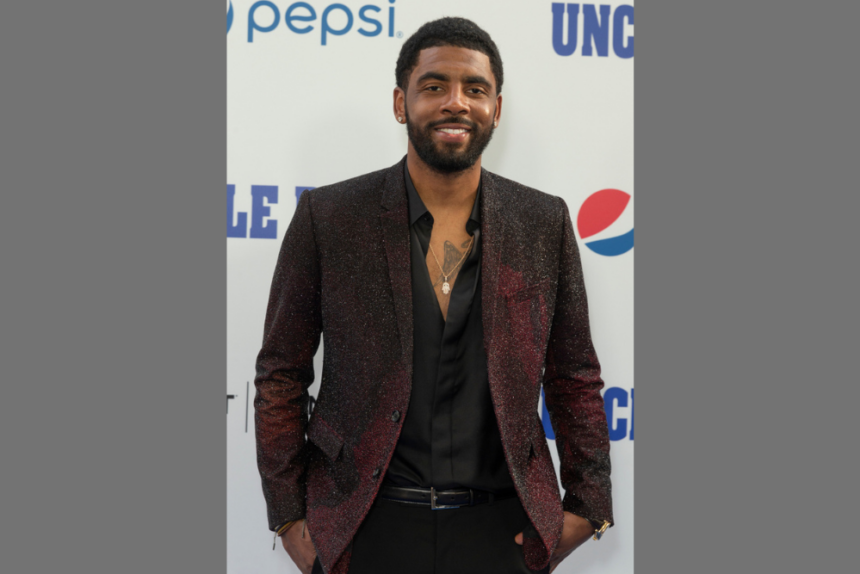
Kyrie Irving sat out the entire 2025-26 NBA season. That kind of absence reshapes everything around a player, the team’s identity, the offensive structure, the expectations heading into each game. For the Dallas Mavericks, a year without him was a year spent finding out what they were without one of their most important pieces.
This week, Irving offered the most optimistic assessment of his recovery yet. Speaking during a Twitch livestream, he told viewers he feels nearly over 100% healthy, a statement that landed immediately across NBA circles given how long and carefully his rehabilitation has been tracked. The torn left ACL he suffered on March 3, 2025, required the kind of extended recovery timeline that tests even the most committed athletes.
What that phrase actually signals
Athletes use the phrase “over 100%” carefully, or they should. For Irving, it appears to mean something specific. ACL rehabilitation is not a straight line back to where a player was before the injury. It involves rebuilding strength in the surrounding muscle groups, relearning movement patterns that became ingrained before the tear, and regaining the trust in the knee that allows a player to cut, stop and elevate without hesitation.
When a player who has been through that process says he feels better than he did before the injury, the most likely explanation is that the rehabilitation program added physical capacity that was not there before. Structured recovery under professional guidance, combined with time away from the accumulated wear of a full NBA season, can leave an athlete in genuinely better physical condition than they were at the point of injury.
That does not mean Irving is ready to play tonight. It means the foundation appears to be in place.
What this means for Dallas
The Mavericks built their recent identity around the pairing of Irving and Luka Doncic, a combination that produced some of the most efficient offensive basketball the franchise had generated in years. Losing Irving for a full season forced the organization to lean harder on other contributors and adjust how they approached game planning at both ends.
His return does not simply add one player back to the rotation. It changes the defensive calculations opponents have to make, the spacing on the floor and the range of options available in late-game situations. A healthy Irving running alongside Doncic again gives Dallas a degree of offensive unpredictability that very few teams in the league can match.
The Mavericks’ medical and training staff will be the ones ultimately determining the timeline. NBA organizations have become considerably more cautious about returning players from ACL injuries since the evidence around re-injury risk during the first full season back has become clearer. Feeling over 100% is the necessary condition. It is not the only condition.
The broader picture for Irving
Irving turns 35 before next season begins. The years leading up to the injury produced some of the more quietly effective basketball of his career. He was shooting efficiently, managing his body across a long season and providing the Mavericks with a level of shot creation that held up even when defenses prioritized stopping him.
The concern with any ACL injury at that stage of a career is not whether the player comes back. Most do. The question is whether they come back with the same explosiveness off the dribble and the same capacity to create separation in tight windows. Irving’s own assessment this week is encouraging, but the answers will only be confirmed once he is moving at full speed against NBA-level competition.
For now, his update represents the best possible news the Mavericks could have received heading into an offseason where his status shapes every other roster decision they make.