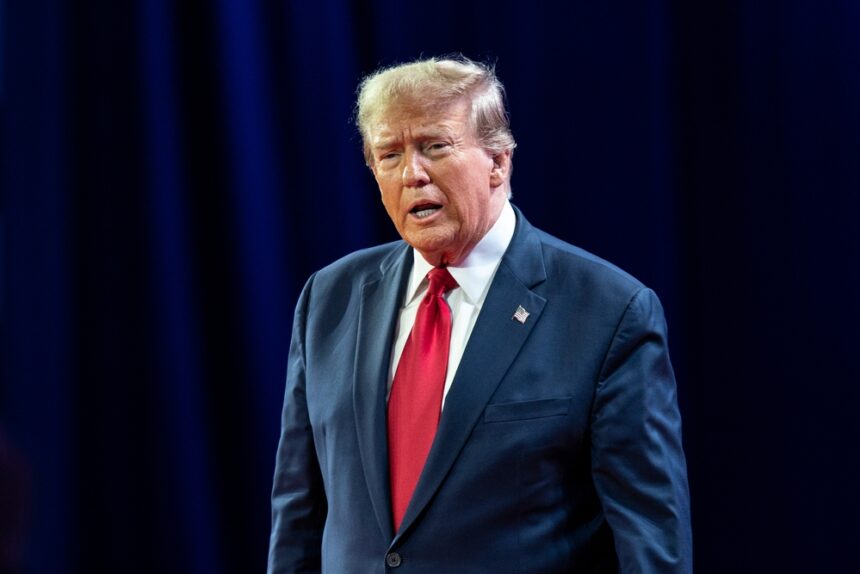
President Donald Trump said Friday, Oct. 9, that Russian President Vladimir Putin has agreed to send more than 4 million tons of diesel to American and global markets after a phone call between the two leaders. To make it possible, the U.S. Treasury issued a temporary license waiving sanctions on Russian diesel through April 2027.
Trump says the deal will bring diesel prices down fast, especially for farmers, ranchers and truckers. Ukrainian President Volodymyr Zelenskyy called it a weak and unworthy decision, and the announcement lands just weeks before midterm elections where fuel costs are a major voter concern.
What is in the Russian diesel deal?
According to Trump’s post on Truth Social, Russia will immediately supply more than 300,000 tons of diesel, followed by 500,000 tons in November and 1 million tons after that. Trump said Russia would later deliver another 3 million tons depending on the condition of its refineries.
The Treasury license allows Russian diesel to flow to global markets for roughly the next six months. Moscow had banned diesel exports after Ukrainian drone strikes battered its refineries.
Why are diesel prices so high?
Diesel now averages about $6.28 a gallon, up 67% since late February, according to AFP. Gasoline has jumped more than 46% over the same period to $4.37 a gallon. The surge began after U.S. and Israeli strikes on Iran led Tehran to block the Strait of Hormuz, a key route for global energy.
Other pressures piled on. Ukraine’s attacks on Russian refineries knocked Moscow’s diesel out of the market, and Iran and its Houthi allies have hit refineries in the Middle East. Last month, several trucking and freight companies filed for bankruptcy as diesel costs climbed.
What did Russia actually agree to?
This is the detail most coverage skipped. The Kremlin’s own statement did not repeat Trump’s numbers. It said only that Russia reaffirmed its readiness to supply oil and oil products to American and world markets. Whether Moscow commits to the specific volumes Trump announced, and on what timeline, has not been confirmed by Russia.
How much will Russian diesel really help?
The numbers sound enormous, but context matters. Using a common conversion of about 7.5 barrels per ton, the full 4.8 million tons equals roughly 36 million barrels. The United States alone uses close to 4 million barrels of diesel and similar fuels a day, so the entire package equals about nine days of American demand, and it is meant for the global market, not only the U.S.
That does not mean it will not matter. Prices often react to expected supply, and Edward Jones strategist Angelo Kourkafas said the deal eases some of the worst case scenarios for energy and inflation. The first 300,000 tons, however, equals about half a day of U.S. use.
Why are Zelensky and critics upset?
Zelensky warned that easing sanctions without any Russian commitment to scale back the war will only prolong it. He argued that letting Russia sell petroleum products funds the very war the world wants to end. The announcement came a day after a Russian strike on buses in Kramatorsk killed 30 people, and as Ukrainian negotiators met U.S. envoys in Miami to restart peace talks.
Supporters of the deal argue that American families, farmers and truckers are struggling with record fuel costs and need relief now. Critics counter that the price of that relief is weaker pressure on Moscow.
What else has Trump done about diesel?
Earlier this week, Trump signed an executive order allowing truckers to use red dyed diesel, normally restricted to off road use, on highways without federal penalties. CNBC reported the order only defers the tax rather than eliminating it, leaving some truckers unsure whether they will owe money later. Trump also considered a diesel export ban last month before backing away after industry warnings.
With control of Congress at stake and farm states like Iowa in play, the next few weeks of pump prices may tell voters whether the deal delivers.