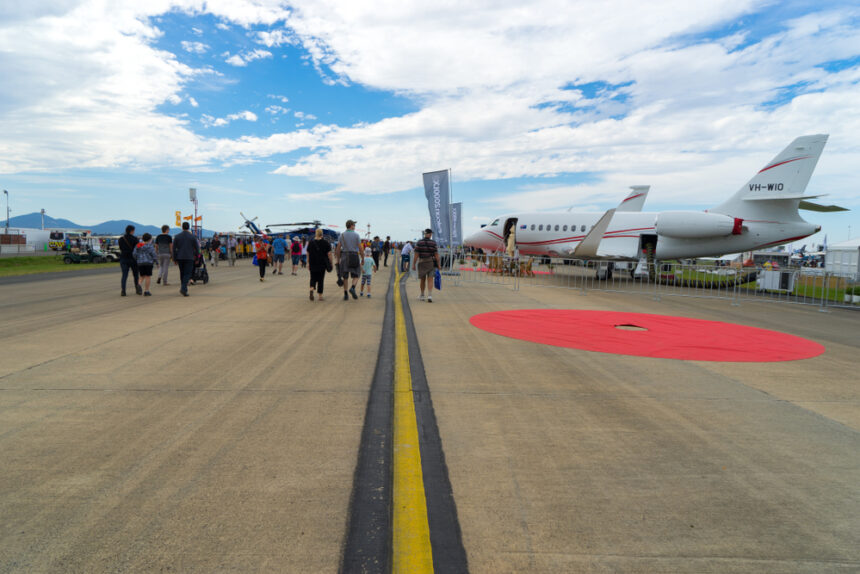
Avalon Airport near Geelong in Victoria, Australia has signed an agreement that will make it a dedicated hub for goods from Asian e-commerce marketplaces including Temu and Shein, with a specialist logistics company taking over air cargo operations at the site.
The partner is Teleport, the cargo arm of AirAsia, which will run a dedicated logistics operation at Avalon as part of the arrangement. The deal is designed to accelerate delivery of e-commerce packages from overseas while also offering cheaper shipping options for perishable product exporters based in Victoria and Tasmania.
The target processing time is ambitious. The airport and Teleport aim to have incoming packages cleared from the plane, processed and on the back of a truck within 60 to 90 minutes of landing, a turnaround that would make the facility competitive with major metropolitan cargo hubs on pure speed.
The airport’s chief executive described the partnership as a significant step forward for Avalon’s international cargo strategy and its ambition to become a leading freight and logistics gateway, and said the arrangement would strengthen international trade connections and create new opportunities for Victoria.
What the deal means for Avalon and the region
Avalon Airport is located outside of Geelong, southwest of Melbourne, and has historically operated primarily as a regional passenger airport and aircraft maintenance facility. Its expansion into dedicated international air cargo represents a strategic shift that leverages its location, available land and relative freedom from the congestion and slot restrictions affecting Melbourne’s primary international airport.
For the e-commerce market, dedicated hubs with fast clearance times offer real advantages. The volume of packages flowing from Asian platforms like Temu and Shein into Australia has grown substantially in recent years, driven by competitive pricing and rapid expansion in those companies’ international logistics networks.
For exporters of perishable goods from Victoria and Tasmania, access to cheaper shipping with reliable schedules is a meaningful benefit. Perishable exports including fresh produce, seafood and dairy products require predictable transit and cold chain management, and the availability of a dedicated logistics service connecting the region to Asian markets creates export capacity that had previously been more limited.
The broader shift in Australian logistics
Australia’s air cargo sector has been adapting to the rapid growth of e-commerce imports from Asia, with the volume of inbound packages growing faster than traditional airport infrastructure was designed to handle. Purpose-built e-commerce logistics hubs at secondary airports have emerged as one response to that pressure.
Teleport, as AirAsia’s cargo operation, brings established relationships across the Asian aviation network that could help Avalon develop reliable air connections to manufacturing and distribution centers in China and Southeast Asia.
The 60-to-90-minute clearance target would require close coordination between Teleport’s logistics operations, Australian Border Force for customs and biosecurity clearance, and trucking networks serving Greater Melbourne and regional Victoria. Whether that freight timeline is achievable depends on shipment volume, documentation consistency and clearance staffing.
If the hub performs as intended, it would position Avalon as a genuine alternative to congested urban cargo facilities and potentially attract additional e-commerce logistics clients beyond the initial deal with Teleport.