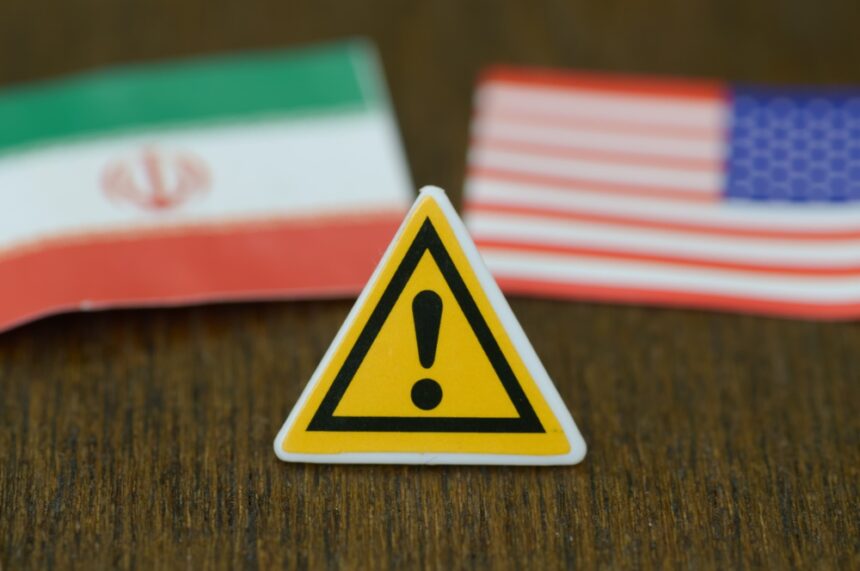
Iranian officials warned European governments on July 9 that any country found to have supported American military operations against Iran by providing territory, military bases, or other infrastructure could face consequences, escalating Tehran’s diplomatic confrontation with the West following remarks made at the NATO summit in Ankara.
The warning came from Iran’s foreign ministry spokesman, who argued in a post on social media that European nations had not been neutral during what he described as American and Israeli aggression against Iran, and that governments which actively enabled that aggression bear responsibility for its consequences and cannot claim protection behind claims of noninvolvement.
What triggered the warning
The Iranian statement was prompted in part by remarks made on July 8 by NATO’s secretary-general, who spoke publicly in Ankara in terms that the Iranian official characterized as self-congratulatory endorsement of the American military campaign against Iran. The spokesman described those remarks as reflecting neither strength nor credibility, and argued that uncritical alignment with Washington’s position would not improve the alliance’s standing or effectiveness as an institution.
Iran’s characterization of the conflict consistently frames it as aggression rather than self-defense or legitimate military action, and the foreign ministry’s warning reflects a deliberate attempt to drive a wedge between European NATO members and Washington by highlighting the potential costs of the support those governments provided. Several European nations provided logistics, overflight rights, or base access to American forces during the conflict, decisions that Tehran is now signaling it views as material participation rather than passive alliance membership.
The stakes for European governments
The warning lands at a diplomatically sensitive moment. The US memorandum of understanding signed last month established a 60-day ceasefire framework and opened the Strait of Hormuz to commercial shipping, but the underlying tensions have not been resolved and the Doha negotiations toward a permanent agreement are still in early stages.
European governments that supported American operations during the conflict now face a calculated Iranian signal that those decisions have created bilateral exposure regardless of the ceasefire’s existence. use of the word retaliation, without specifying what form such retaliation might take, is a classic diplomatic warning designed to create uncertainty and caution without committing to specific action.
The warning is also directed at the broader question of European strategic autonomy. Several European leaders have pushed throughout the conflict for an independent European diplomatic posture that does not simply mirror American positions, and Iran’s warning amplifies that internal European debate by suggesting that following the American line has created consequences that European populations and governments will bear.
The broader context of Iran-Europe relations
Iran’s relationship with European governments was already complex before the conflict. European signatories to the original nuclear agreement had spent years attempting to maintain that framework while managing both American pressure and Iranian compliance disputes. The conflict fundamentally altered that dynamic, with European governments forced to choose between alignment with their primary security guarantor and maintaining the independent diplomatic role they had been attempting to cultivate.
Iran’s foreign ministry has been consistent in framing the conflict as an American and Israeli project that European governments were drawn into through alliance obligations rather than independent judgment. The retaliation warning fits within that framing by suggesting that the consequences of being drawn in extend beyond the period of active hostilities and into the diplomatic and potentially security environment that follows the ceasefire.