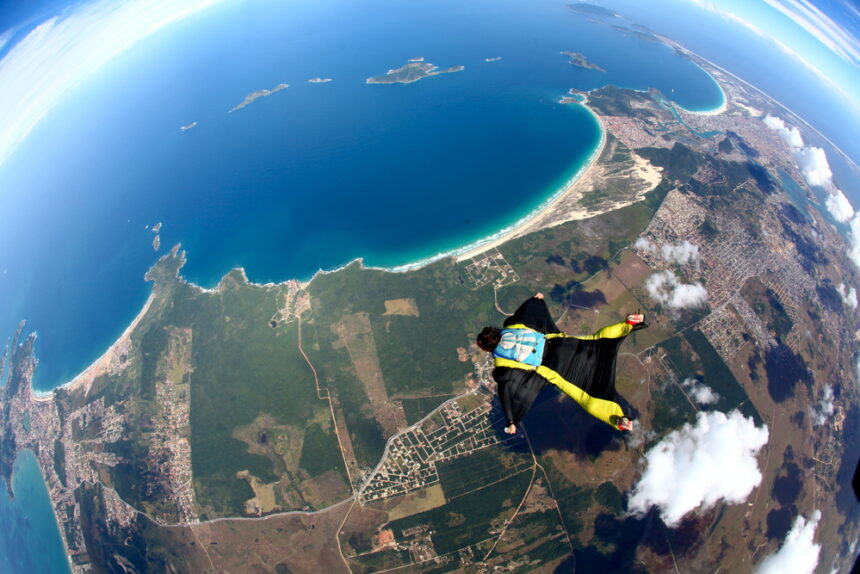
There was a time when skydiving belonged to a particular type of person — military-trained, thrill-obsessed, indifferent to consequence. That image is dissolving fast. Skydiving has grown from a niche extreme sport into a global adventure activity enjoyed by millions of people every year. The shift is not accidental. It is cultural, technological, and deeply personal — and it is happening at a pace that the industry itself is still trying to absorb.
Participation has surged 18 percent between 2023 and 2025, representing the strongest period in skydiving history. Social media, improved safety protocols, and a generation more focused on lived experience than material ownership all played a role. The result is an extreme sport that no longer feels quite so extreme to enter — only to pursue.
Skydiving and the Psychology of the Leap
The appeal of skydiving has always lived somewhere between logic and instinct, between the knowledge of what could go wrong and the body’s insistence on moving forward anyway. Recent research published in early 2026 found that extreme sports, particularly skydiving, can serve as a site for emotional healing and self-liberation in the aftermath of personal crisis. Freefall, the study suggests, functions as a kind of reset — stripping away distraction and forcing a confrontation with what the mind usually avoids.
A 2025 study tracking 500 first-time skydivers found that 83 percent reported feeling more capable of handling everyday challenges six months after their first jump. These are not small numbers. They point to something the sport’s most devoted practitioners have long insisted— skydiving is not merely about the fall. It is about what comes after landing.
That psychological dimension has increasingly drawn in people who would never have considered themselves thrill seekers. Skydiving has become, for many, a deliberate act of self-confrontation — a way to test the limits of fear and emerge with a changed relationship to it.
The Numbers Reshaping the Sport
The growth is legible in the data. The global skydiving market is projected to reach $3.9 billion by the end of 2025 and is expected to climb toward nearly $6 billion by 2033. That trajectory reflects not just increased participation, but a structural expansion of what the sport offers and to whom.
Skydiving has become more approachable through tandem jump offerings, beginner packages, and gift experiences, with many operators now providing affordable, safe, and guided skydives that reduce fear among first-timers. The tandem format — where a certified instructor controls the jump while the participant experiences freefall — has been central to this democratization. It removes the need for extensive training while preserving the full sensory intensity of the sport.
Most tandem skydiving experiences now cost between $200 and $500, depending on location and altitude. That range, while not negligible, places the sport within reach for a far wider demographic than the one it historically served. Combined with the rise of video documentation and shareable footage, the visual nature of skydiving — dramatic landscapes, emotional reactions, freefall footage — creates inherently shareable content that has turned participants into advocates and spectators into future jumpers.
Skydiving as Community, Not Just Sport
Beyond the adrenaline, the defining characteristic of skydiving is its community — known for its warmth, inclusivity, and a culture that uplifts both newcomers and seasoned jumpers alike. Drop zones have evolved into social ecosystems. Regulars return not just for the jump but for the people, the rituals, and the shared language of those who understand what it means to step out of a plane at altitude.
This communal aspect has been vital to skydiving’s ability to retain participants. Once someone makes a first jump, the community often becomes as compelling as the sport itself. Friendships form quickly in environments defined by mutual vulnerability and shared risk. It is a bond that few other activities replicate.
The competitive side of skydiving has also grown more visible. Competitive formats such as formation skydiving and canopy piloting are gaining popularity, fostering community building and promoting sustained involvement in the sport. Events draw participants from multiple continents, and the community’s global reach has continued to deepen as more drop zones open in emerging markets and adventure tourism hubs expand across Asia, Latin America, and beyond.
Skydiving is no longer asking permission to be mainstream. It has already arrived — bringing with it a new kind of jumper who is not reckless, not fearless, but simply unwilling to let fear be the final word.