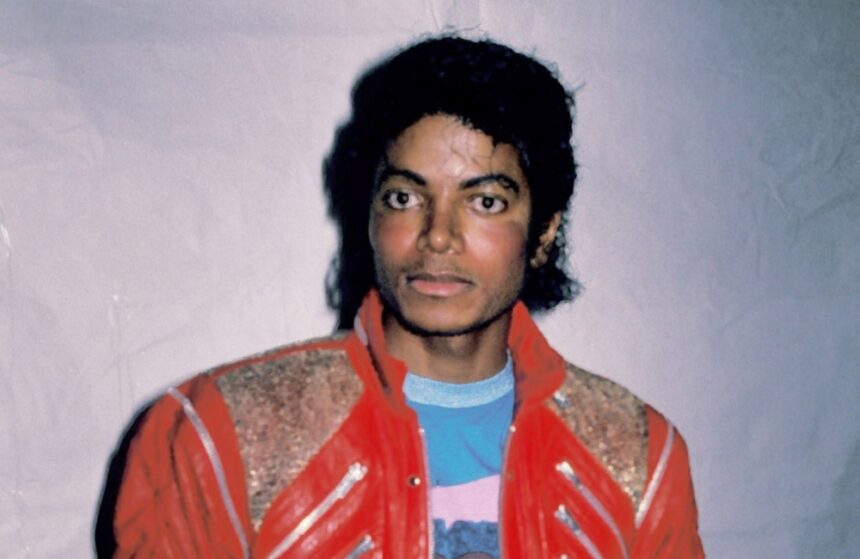
Michael Jackson lived under an intense public microscope from childhood until his death in 2009, and few aspects of his life drew more speculation than the way his appearance changed over the decades. He addressed the subject at two significant points during his lifetime, first in his 1988 autobiography Moonwalk and again in a widely watched television interview in 1993, each time offering a carefully measured account of what he had and had not done to his face and body.
What he confirmed was limited. What the public suspected was far greater. And what his autopsy eventually revealed added yet another layer to a story that never reached a clean conclusion.
Michael Jackson confirmed two nose jobs and a chin implant
In Moonwalk, Jackson acknowledged undergoing two rhinoplasties and a chin implant, describing them as the full extent of his surgical history. When he sat down with Oprah Winfrey in February 1993 for one of the most-watched interviews of the era, he confirmed the nose work again while leaving the chin surgery unmentioned.
The 2026 biopic Michael revisits those moments, depicting the circumstances around his first surgery following years of criticism about his appearance from within his own family, including from his father Joe Jackson. A second procedure is shown later in the film, tracing how those early experiences shaped his complicated relationship with his own reflection.
Jackson told Winfrey at the time that public scrutiny of his looks had taken a real toll on him, saying he avoided mirrors because he was rarely pleased with what he saw. It was a rare moment of vulnerability from an artist who otherwise guarded his private life fiercely.
Michael Jackson denied doing more
Beyond the three confirmed procedures, Jackson consistently rejected suggestions that he had undergone additional work. In the 1993 interview he insisted the number of surgeries he had was countable on two fingers and specifically denied having work done on his cheeks, eyes, or lips.
A decade later, in the 2003 documentary Living with Michael Jackson, he maintained the same position, describing his nose surgeries as medically motivated rather than purely cosmetic and pushing back on the idea that his choices were unusual for someone in Hollywood.
Michael Jackson and the vitiligo explanation
Among the most persistent rumors surrounding Jackson was the question of why his skin grew progressively lighter throughout the 1980s and into the 1990s. He attributed the change to vitiligo, a chronic condition that causes the skin to lose pigmentation in patches, and said he used makeup to even out his appearance rather than to fundamentally alter his skin tone.
His son Prince Jackson later offered additional insight, describing his father’s deep insecurity about the blotchy and uneven appearance that came with the condition. Prince suggested that the desire to smooth out those patches stemmed from a place of personal anguish rather than vanity.
Jackson’s autopsy report confirmed the vitiligo diagnosis, documenting white patches across his chest, abdomen, face, and arms, lending credibility to the explanation he had offered for years while he was alive.
What the autopsy revealed
The same report surfaced details that went beyond the vitiligo diagnosis. Cosmetic surgery scars were found behind Jackson’s nostrils and ears, consistent with more work than he had publicly acknowledged. Tattoos on his scalp were identified as a method of concealing a receding hairline, while additional tattoos on his eyebrows and a pink tattoo around his lips suggested further efforts to manage his appearance.
Additional scars were noted on other parts of his body, though whether those were connected to cosmetic procedures was never definitively established. Taken together, the findings told the story of a man who had lived with profound discomfort in his own skin and had spent decades finding ways, both public and private, to cope with it.