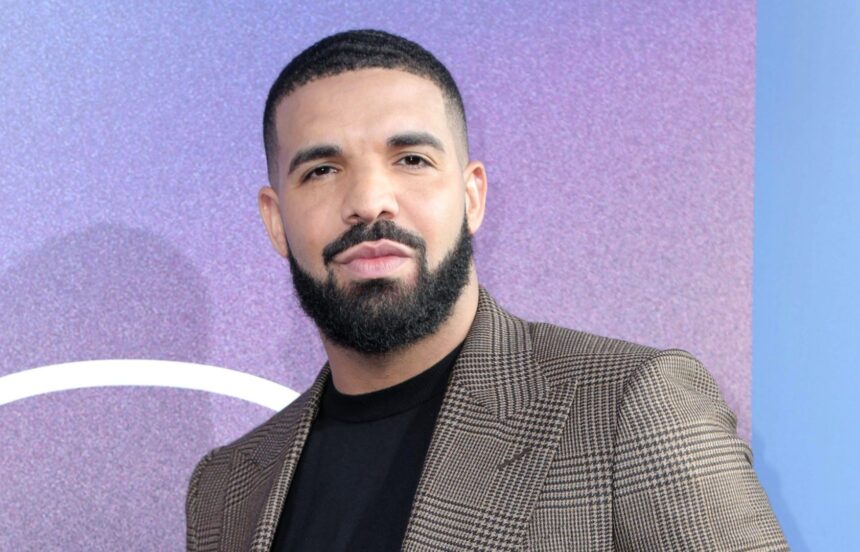
Drake is back, and the timing could not be more loaded. His ninth studio album arrives as one of the most anticipated and scrutinized releases of his career, dropping in the long shadow of a very public defeat that reshaped how the music world sees him. For an artist who spent years operating as the undisputed leader of hip-hop, the road back is proving to be something nobody saw coming even two years ago.
The feud with Kendrick Lamar that erupted in the spring of 2024 produced one of the most dramatic chapters in rap history. The two artists exchanged a series of sharp and widely discussed tracks before Lamar landed what most observers consider the decisive blow. The diss track that followed became a cultural phenomenon, winning record and song of the year at the 2025 Grammys and earning a performance slot at the Super Bowl halftime show. In hip-hop circles, the outcome of that battle is not debated. Drake lost, and lost badly, on a stage larger than any rap conflict had ever produced.
What the loss actually cost Drake
The defeat was significant not just symbolically but commercially. Drake has not placed a song at the top of the charts in a sustained way since 2018, when he produced multiple multiweek number one hits in a single year. Since the feud, his releases have reached high chart positions without breaking through to the kind of cultural dominance he once claimed almost effortlessly.
Music industry observers point to something deeper than a single battle as the source of his struggles. His sound, they suggest, has not evolved in ways that match the shifting landscape of how people discover and consume music. The algorithmic and fragmented nature of modern listening has made it harder for any artist to hold attention the way Drake once did, and his recent output has felt scattered rather than focused, more like a search for something that works than a confident artistic statement.
What made the Lamar loss sting in a particular way was that the song used to defeat him was built on exactly the tools Drake has always wielded best. It was catchy and meme-worthy and impossible to ignore, the kind of track that lives in people’s heads for weeks. Being beaten at your own game, on a global stage, leaves a mark that streaming numbers alone cannot erase.
Why Iceman feels different
The rollout for this album has been one of the more creative marketing campaigns Drake has staged in years. He covered his courtside seats at a Toronto arena in ice, transformed a downtown parking lot into a massive frozen installation and let fans use tools to physically chip away at a giant ice block to reveal the release date. The approach forced attention in a way that felt genuinely unpredictable, which is not a word many people have used to describe Drake recently.
The strategy reflects an awareness that the music alone may not be enough to shift the conversation. Drake needs a moment, and he has shown he still knows how to engineer one. Whether the album delivers on the energy of its own promotion is the question the industry is now sitting with.
What a real comeback looks like for Drake
A number one debut would matter. A song of the summer would matter more. But music analysts who watch these things closely say that commercial performance and cultural rehabilitation are not the same thing, and Drake is in need of both. The features on the album will be closely read as a signal of who in the industry is still willing to align themselves with him after everything that has happened.
Drake’s relationship with his own legacy has always been central to how he operates. He is an artist who thinks carefully about mythology and about where he stands in the larger story of hip-hop. A strong album release would improve his commercial standing. What it cannot automatically restore is the sense that he occupies the top position in a conversation he once controlled completely.
The album is out. The summer is coming. And Drake, who has been here before in different ways, now faces the version of this moment that nobody has ever navigated on quite this scale.