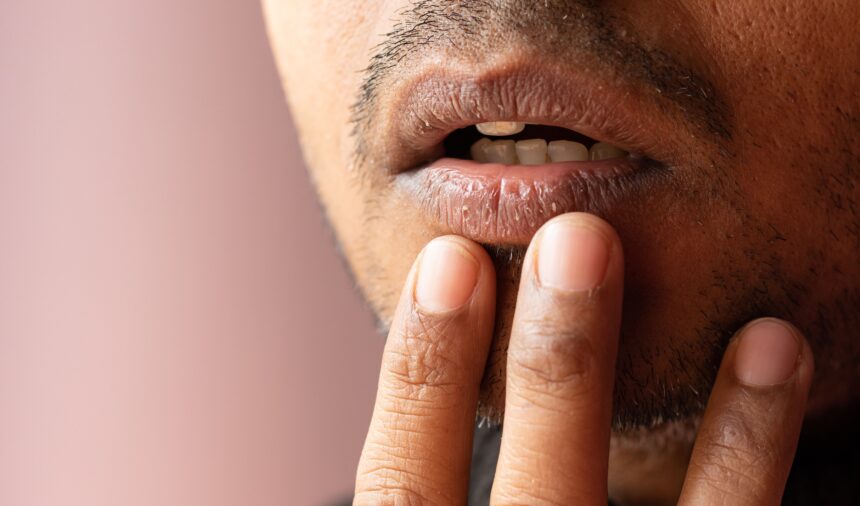
Dry mouth, the condition in which the salivary glands fail to produce enough saliva to keep the mouth adequately lubricated, is more common and more consequential than most people give it credit for. It tends to worsen with age, but it is not a normal or inevitable part of aging. When it persists, it is almost always a sign of something else going on, whether that is an underlying medical condition, a medication side effect, or a structural issue affecting breathing during sleep.
Saliva does far more than keep the mouth comfortable. It plays a direct role in chewing, swallowing, and speaking, and it contains calcium and phosphate that help maintain tooth strength and clear the mouth of food debris and harmful bacteria. When saliva production is chronically insufficient, the risk of tooth decay, fungal infections, and deteriorating oral health rises significantly. Reaching for water helps in the short term, but managing this condition effectively requires understanding what is actually causing it.
What causes this condition and why it matters
Inadequate water intake throughout the day is one of the most straightforward contributors, and improving hydration is always a reasonable first step. But the causes extend well beyond that. More than 600 prescription medications are known to reduce saliva production as a side effect, including drugs commonly used to treat high blood pressure, depression, and bladder control issues. Smoking is another significant driver. Underlying conditions including diabetes and certain immune disorders can also interfere with the salivary glands directly.
Nighttime dryness is particularly common among people who breathe through their mouths while sleeping. Mouth breathing often results from nasal or sinus problems, respiratory infections, or untreated sleep apnea, and it can leave the mouth severely parched by morning. The symptoms beyond simple dryness include a sticky or cottony feeling in the mouth, difficulty chewing or swallowing, burning sensations, cracked lips, and persistent bad breath.
How dry mouth is treated based on its cause
Because this condition stems from so many different sources, effective treatment depends heavily on identifying the underlying cause. When a specific medication is responsible, adjusting the dosage or switching to an alternative may resolve the problem. When sleep apnea is driving nighttime dryness, treating the sleep disorder directly is the more meaningful intervention.
For daytime management, chewing sugar-free gum stimulates saliva production in a way that provides real temporary relief. Cutting out tobacco, alcohol, and caffeine all help reduce oral dryness, and running a humidifier at night adds moisture to the sleeping environment that can ease symptoms.
For nighttime relief specifically, adding an alcohol-free oral rinse to the bedtime brushing routine is one of the most consistently effective steps available. Alcohol-based mouthwashes can worsen the problem, while alcohol-free formulations help soothe the mouth and support the remineralization of tooth enamel. The American Academy of Oral Medicine endorses several alcohol-free rinses for this purpose and recommends them as a regular part of the oral care routine for people managing chronic dryness.
When those measures are insufficient, a dentist can recommend over-the-counter artificial saliva products designed to mimic the lubricating function of natural saliva. For more serious or persistent cases, prescription options exist. Two drugs currently approved for treating dry mouth associated with specific conditions, pilocarpine and cevimeline, work by stimulating the salivary glands directly and may be appropriate when other approaches have not produced adequate relief.
The earlier the condition is taken seriously and addressed, the better the odds of avoiding the dental complications that prolonged dryness tends to produce over time.