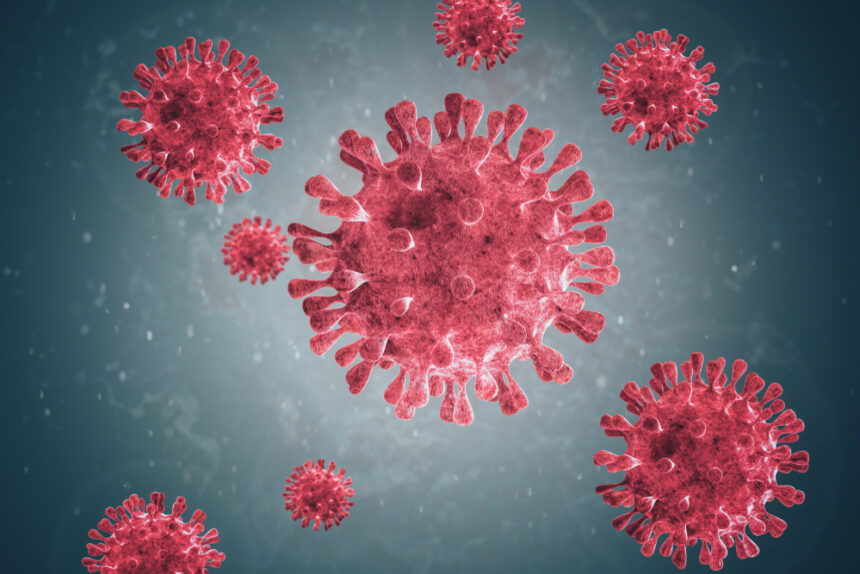
Few illnesses arrive with the kind of force that norovirus brings. It tends to hit fast, escalate quickly and leave those affected feeling genuinely wretched for days. Infectious disease specialists consistently rank it among the most physically miserable viral experiences a person can go through, and the numbers back that up. It is the leading cause of vomiting and diarrhea in the United States and is responsible for a significant share of foodborne illness cases each year.
What makes it especially disruptive is how little exposure it takes to become infected. Fewer than 100 viral particles are enough to make a person sick, yet someone already infected can shed billions of those particles through vomit and stool. That combination makes containment genuinely difficult, particularly in shared living spaces.
Outbreaks peak between November and April but can occur at any time of year. Healthcare facilities, schools, restaurants, childcare centers and cruise ships are among the most commonly reported settings for spread.
Norovirus symptoms to know
Symptoms typically appear between 12 and 48 hours after exposure and most people recover within one to three days. The illness is known for its intensity and tends to come on without much warning.
The seven symptoms most commonly associated with norovirus are:
- Nausea
- Vomiting
- Diarrhea
- Stomach cramps
- Headache
- Fever
- Body aches
Vomiting is often described as particularly forceful, which sets norovirus apart from milder stomach bugs. The combination of vomiting and diarrhea occurring simultaneously is also common and contributes to the rapid fluid loss that makes hydration such a priority during recovery.
How norovirus spreads
Norovirus travels through tiny particles of stool or vomit from an infected person. Those particles can reach a new host through contaminated food or water, contact with infected surfaces followed by touching the mouth, or close contact with someone who is sick. When an infected person vomits, particles can also become briefly airborne, increasing the risk for anyone nearby.
The virus is exceptionally contagious. If it enters a household, avoiding it entirely can be difficult, especially when people share bathrooms and kitchens.
What to do if you get norovirus
There is no antiviral medication specifically designed to treat norovirus. The focus of care is managing symptoms and preventing dehydration. Because the body loses fluids rapidly through vomiting and diarrhea, replacing those fluids is the most important step even when nausea makes it hard to keep anything down. Small, frequent sips of electrolyte drinks tend to be easier to tolerate than drinking large amounts at once and help replace not just fluids but also the salt and nutrients lost during illness.
Over-the-counter bismuth products can offer some relief from nausea and diarrhea. For more severe cases, a doctor may prescribe anti-nausea medication to reduce vomiting enough to allow proper rehydration. Anyone showing signs of significant dehydration such as minimal urination, a dry mouth, or dizziness when standing should seek medical attention promptly, as intravenous fluids may be necessary.
Norovirus prevention
Thorough and frequent handwashing is the single most effective preventive measure. Isolating anyone in the household who is sick, disinfecting shared surfaces and avoiding preparation of food for others while symptomatic all help reduce spread. Wearing a mask around someone who is actively vomiting may offer an added layer of protection given the potential for airborne particles.
There is currently no approved vaccine for norovirus, though research is ongoing. Until one becomes available, hygiene remains the strongest defense.