
Federal agents spent much of 2026 knocking on doors in some of the country’s largest cities. Their targets were people wanted on serious charges who had found shelter in homes paid for in part by taxpayers.
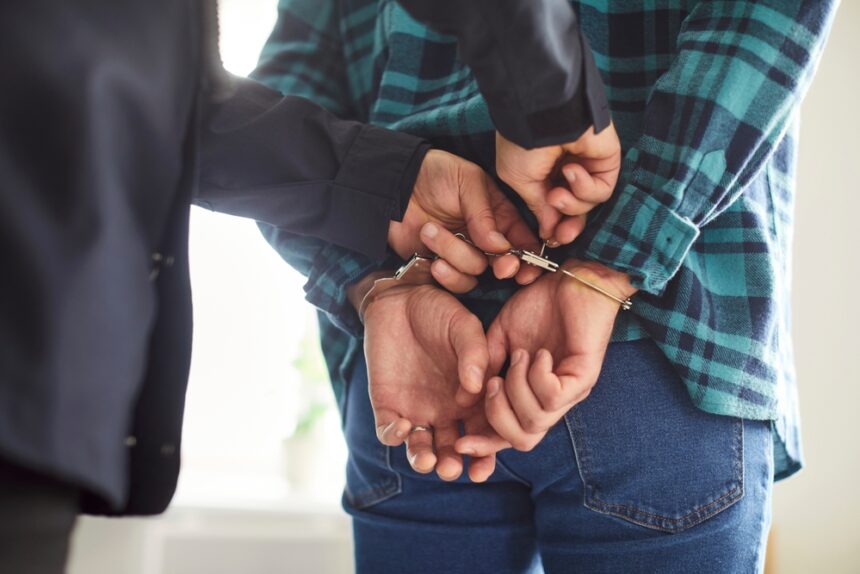
Operation Clean House, a monthslong sweep led by federal housing investigators and the U.S. Marshals Service, has resulted in the arrests of 491 fugitives living in federally assisted housing, officials said.
What is Operation Clean House?
The initiative pairs agents from the Department of Housing and Urban Development’s Office of Inspector General with the Marshals Service and state and local police. Teams focus on people with active felony warrants who live in public housing or receive federal rental assistance.
The department announced the results in an Oct. 8, 2026, statement. Arrests took place across 12 cities, including Memphis, New York, Newark, Chicago, Los Angeles, Kansas City, New Orleans, Philadelphia, Cleveland, Minneapolis and Columbus, along with other locations.
Operation Clean House began with a sweep lasting six days in Columbus, Ohio, in February that led to more than 50 arrests. Its success prompted similar operations in other cities through the rest of the year.
Who was arrested?
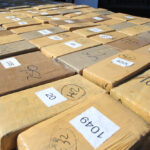
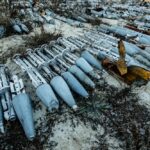
Officials said those taken into custody included people wanted on serious charges such as rape, murder, aggravated assault, sex offenses against children, drug trafficking, making incendiary devices and weapons violations. Authorities also seized 10 firearms.
The housing secretary said the effort was meant to stop people accused of crimes and fraud from using federal housing as a refuge at taxpayer expense. He tied the operation to the administration’s broader push to make cities safer.
Being wanted on a warrant is not a conviction, and the charges behind each arrest will be handled in the courts where they were filed.
What did Operation Clean House look like in individual cities?
Local results varied. In Cleveland, a sweep from Sept. 14 to Sept. 25 led to 75 arrests. Of those, 68 were connected to HUD housing, and seven others were picked up on felony warrants after officers encountered them during the operation. Three of those arrested had firearms.
In Philadelphia, 41 people were arrested, and most were living in private apartments while receiving federal rental assistance rather than in traditional public housing. A sweep in Kansas City lasting five days produced 40 arrests and three seized guns, while an operation lasting four days in the Minneapolis area led to 16.
Each city operation brought together a different mix of local, state and federal agencies under the same Operation Clean House banner.
Why target fugitives in federal housing?
Officials frame the effort as both a public safety and a program integrity issue. Federal rental aid is limited, and waitlists in many cities stretch for years.
Investigators argue that people hiding from the law should not occupy homes meant for eligible families. Housing rules also allow authorities to act against tenants who violate the terms of their assistance.
For residents of these communities, the sweeps can cut both ways. Removing people wanted for violent crimes may improve safety, but large operations can also unsettle neighbors and families who share the same buildings.
Will Operation Clean House continue?
Federal officials have described Operation Clean House as part of a wider effort to keep housing assisted by HUD safe and secure, and the department has tied it to a White House task force focused on eliminating fraud.
No end date has been announced. With operations spreading city by city throughout 2026, more sweeps under the Operation Clean House name appear likely. Anyone with information about a wanted fugitive can contact the nearest U.S. Marshals Service office.