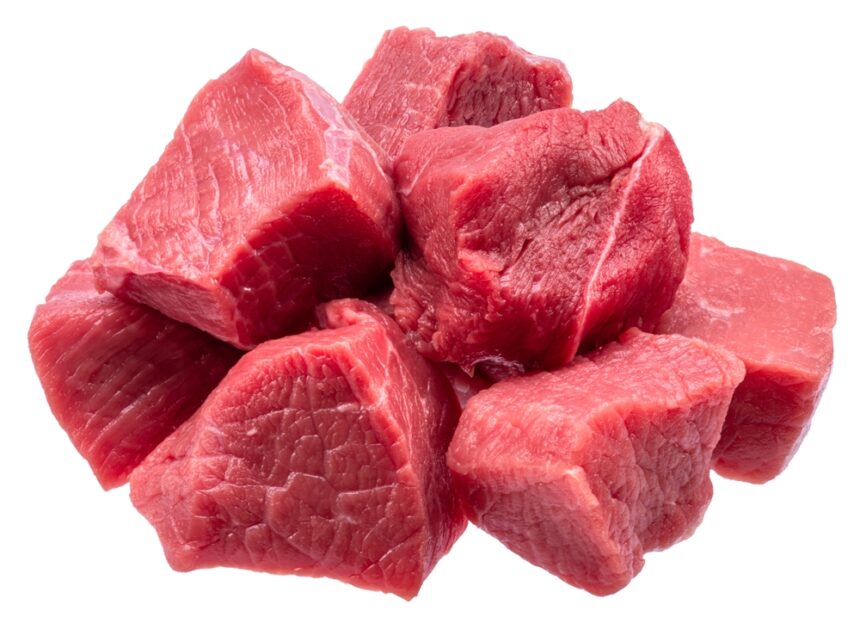
President Trump announced on Wednesday a 90-day expansion of the import quota for lean trimmings used in ground beef, increasing the amount of product that can enter the United States under lower tariff rates by 300,000 metric tons for the remainder of 2026.
The quota expansion applies only to specific lean trimmings used in ground beef production, not to all imports. The additional volume will be distributed in three 30-day tranches beginning Sept. 1, administered on a first-come, first-served basis among qualifying importers.
Trump framed the move as a deal to substantially lower ground beef prices for working American families, saying the action is designed to provide near-term price relief while giving the domestic beef herd time to rebuild. He said the imported product carries a commitment to sell at 25 percent below current market prices. He attributed the need for the action to what he described as steep price increases during the previous administration and the decline of the American beef herd to historically low levels.
What the quota expansion does
The tariff rate quota system allows a specified volume of imports to enter at a lower tariff rate, with higher tariffs applying to any imports above that threshold. By expanding the quota by 300,000 metric tons, the administration is effectively allowing more foreign lean trimmings to enter the U.S. market at lower cost, which in theory should increase supply and put downward pressure on retail prices.
Lean trimmings are a key ingredient in commercial ground beef. When domestic supplies are tight, processors blend domestic product with imported trimmings to meet demand. The price of lean trimmings at the commodity level directly influences the retail price, which has been elevated compared to historical norms.
The domestic herd context
U.S. cattle inventory has been declining for several years due to a combination of drought conditions in key ranching states, elevated feed costs, and the decisions of cattle producers to liquidate herds rather than rebuild them when conditions were unfavorable. The national herd has reached its smallest size in decades, constraining domestic supply and contributing to higher prices.
The administration’s stated position is that the quota expansion is a bridging measure while domestic production rebuilds.
The trade policy dimension
The quota expansion sits in tension with the administration’s broader tariff-focused trade policy, and the tariff reduction for trimmings, which has generally aimed to protect domestic producers from lower-cost foreign competition, makes that tension explicit.
Countries that export lean beef trimmings to the United States include Australia, New Zealand and several South American nations. The White House announcement did not specify which countries would benefit from the expanded quota or what commitments, if any, were made in exchange for the 25 percent below-market price pledge that Trump referenced.