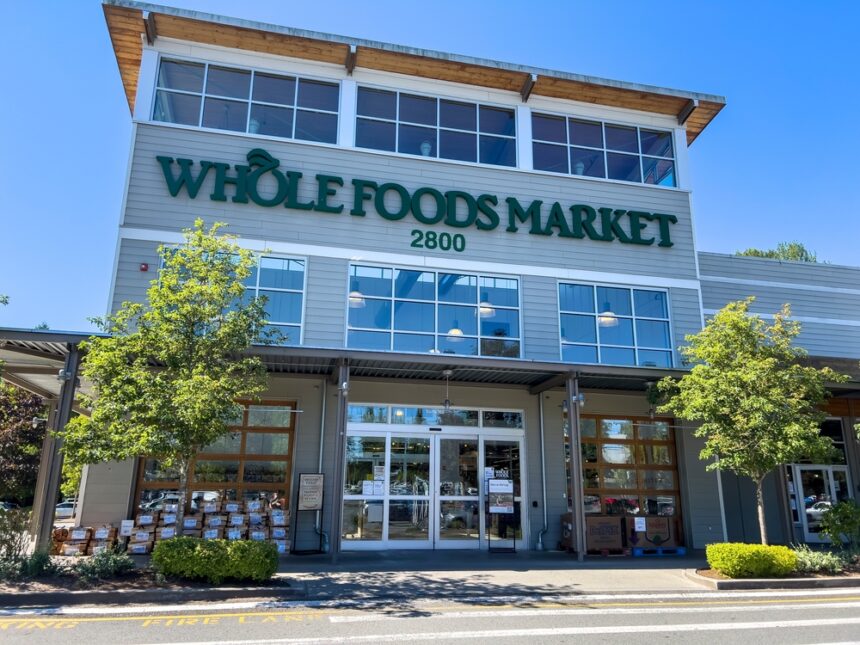
Whole Foods Market has recalled select prepared foods and produce items sold in 12 states after determining they contain jalapeños from Coast Citrus Distributors that may be contaminated with Salmonella, the company announced Wednesday.
The recall affects items sold in the produce and prepared foods departments, including dips, salsa, guacamole, pico de gallo and other prepared foods that incorporated the potentially contaminated peppers. Products were sold both in stores and online, with best before or best by dates ranging from Aug. 7 through Aug. 16.
The recall applies to stores in Texas, Oklahoma, Louisiana, Arkansas, Wisconsin, Michigan, Illinois, Indiana, Iowa, Missouri, Kentucky and Ohio.
What prompted the recall
The Whole Foods action is part of the broader federal investigation into a Salmonella Javiana outbreak that has been traced to jalapeño peppers grown in Sinaloa, Mexico and distributed by Coast Citrus Distributors. The Food and Drug Administration and the Centers for Disease Control and Prevention are jointly investigating the outbreak, which had produced 345 confirmed cases across 27 states as of Aug. 4.
The FDA traced the contaminated jalapeños to a single grower in Sinaloa that supplies Coast Citrus, and the distributor’s peppers reached restaurants, food service companies and retailers including Whole Foods. Several major restaurant chains had previously been identified as having received the affected jalapeños, with illness clusters identified at Chipotle and QDOBA locations across multiple states.
The action represents the retail side of the same supply chain, affecting prepared foods made in the company’s stores using the recalled jalapeños rather than the fresh peppers themselves in the produce case, though both prepared food items and fresh produce are included in the scope of the recall.
What consumers should do
Whole Foods customers who purchased any of the affected items should not consume them and should discard them or return them to the store for a refund. Whole Foods has not specified whether it is offering in-store refunds or a process for online purchases.
The specific products covered span a range of prepared foods sold under various Whole Foods names and in its prepared foods department, which varies by location. Consumers uncertain about whether a specific item is affected should check the Whole Foods website or contact the store directly.
The Salmonella Javiana strain involved in the outbreak causes symptoms including diarrhea, fever and abdominal cramps, typically beginning between six hours and six days after exposure. Most people recover without medical treatment within a week, but severe illness can occur in older adults, young children and people with compromised immune systems. Anyone who has consumed affected products and is experiencing symptoms should contact a healthcare provider.
The broader outbreak picture
The jalapeño contamination has cascaded through multiple levels of the food supply chain since the outbreak was identified. Federal investigators identified illness clusters at restaurant chains first, tracing the source upstream to the distributor and ultimately to the growing operation in Sinaloa. As the investigation broadened, retailers that received the same supply have issued their own product withdrawals.
The outbreak and the associated recalls reflect the complexity of the modern food supply chain, in which a single contaminated crop from one farm can reach dozens of different end products sold by multiple companies across a wide geographic area. The 12-state scope of the Whole Foods action alone illustrates how quickly contamination can propagate through a distribution system before it is identified.
Consumers can check the FDA and CDC websites for the most current information on affected products and on the status of the broader investigation. Neither agency had reported any deaths as of the most recent update earlier this week.