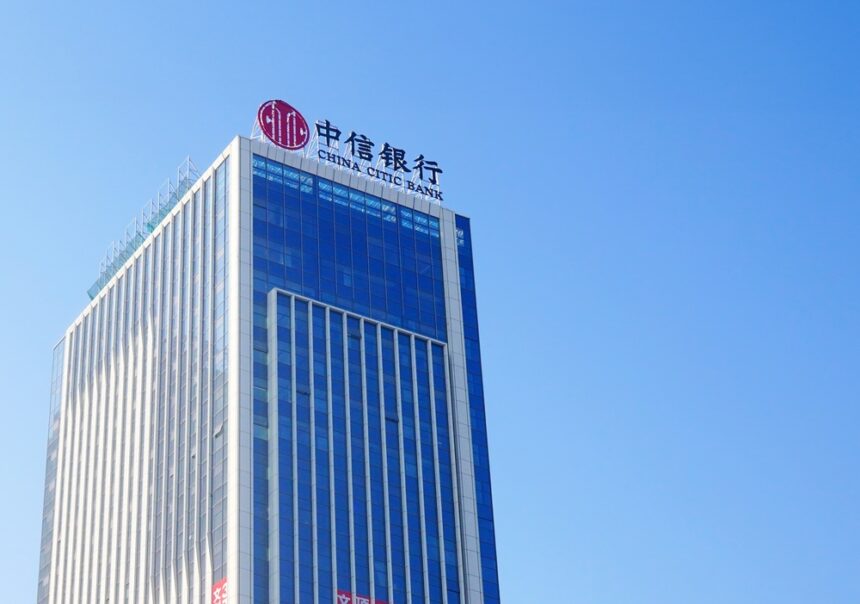
A small aircraft crashed into Beijing’s CITIC Tower on June 26, the tallest building in the Chinese capital, setting off a wave of online speculation inside China that authorities have moved quickly to suppress through heavy censorship of social media discussion surrounding the incident.
The tower sits only a few kilometers from Zhongnanhai, the heavily guarded compound that houses China’s top political leadership, a proximity that has added significant weight to public curiosity about how the aircraft was able to reach the building at all. Chinese authorities confirmed that the crash resulted in one death and 13 injuries but have not disclosed the cause of the incident or identified the pilot involved.
A pattern of limited disclosure
The Chinese government’s response to the crash has followed a now familiar pattern in how the regime manages information around incidents that touch sensitive infrastructure or locations near centers of political power. Official statements have provided only the most basic facts, casualty figures and a brief acknowledgment that the incident occurred, while withholding details that would normally accompany coverage of an aviation accident in any other context, including the type of aircraft, how it entered restricted airspace, and whether the crash was accidental or intentional.
Public discussion on Chinese social media platforms has been heavily restricted in the aftermath, with posts and discussions related to the incident reportedly removed or limited as part of the broader censorship apparatus that governs sensitive topics within China’s domestic internet ecosystem. No independent verification has been possible regarding the central question of whether the crash was an accident or a deliberate act, leaving a significant information vacuum that has been filled largely by speculation.
Questions raised by dissidents outside China
Outside observers, particularly Chinese dissidents based abroad who maintain networks of contacts and sources within China, have offered theories about what might explain both the incident itself and the regime’s response to it. One prominent dissident, a former law school dean now based in Australia, suggested the crash could be connected to internal political tensions within the Chinese Communist Party, potentially involving factions associated with state-owned financial institutions.
These claims represent speculation from outside sources and have not been independently verified through any official or confirmed channel. The nature of China’s restricted information environment makes independent verification of claims about internal party dynamics extremely difficult under the best of circumstances, and the heightened sensitivity around an incident occurring so close to the leadership compound compounds that difficulty considerably.
Why CITIC Group has become a focus of attention
A significant portion of the online speculation, both within China before censorship took hold and among external observers since, has centered on CITIC Group, the large state-owned financial conglomerate headquartered in the tower that was struck. CITIC is one of China’s most significant financial institutions, with extensive holdings across banking, investment, and other sectors of the Chinese economy, giving it considerable influence within the broader landscape of state-controlled finance.
The combination of the building’s prominence, its tenant’s financial significance, and its proximity to the seat of Chinese political power has made the incident a focal point for theories about internal power struggles, regardless of whether any connection to such dynamics can be substantiated. The Chinese government’s pattern of limiting disclosure around the incident has, if anything, intensified rather than diminished the appetite for explanation among observers both inside and outside the country, illustrating a recurring dynamic in which information control measures can amplify rather than suppress public curiosity about sensitive events.