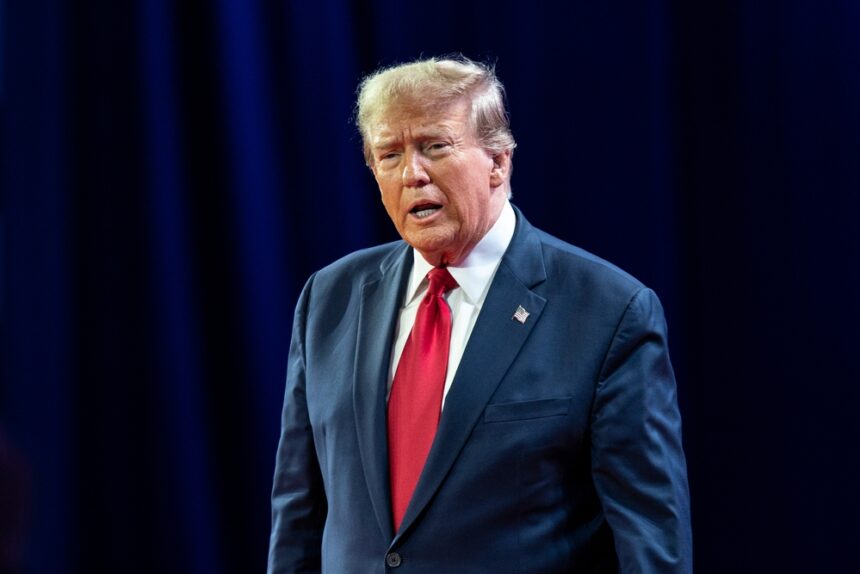
President Trump issued a stark escalation against Iran on Wednesday, telling reporters that the United States would strike the country again and hit it hard, marking a dramatic reversal from remarks he had made just 24 hours earlier about the two nations standing on the edge of a breakthrough.
Speaking from the Oval Office on June 10, Trump framed the intensified military posture as a direct response to Iran’s downing of a United States Army Apache helicopter near the Strait of Hormuz. He also expressed sharp frustration with what he described as Iranian negotiators deliberately slowing the pace of nuclear talks that he said had come tantalizingly close to producing a permanent agreement.
A sharp reversal in just 24 hours
The tone shift was striking in its speed. Only a day before, Trump had characterized the negotiations as being in their final stages and suggested a deal could be completed within days. That optimism evaporated by Wednesday morning. The president accused Tehran of treating the United States as a party to be strung along rather than a genuine partner in diplomacy, implying that Iranian officials were using the talks to buy time rather than reach a resolution.
The frustration carries real strategic weight. A deal that Trump has described as one which would permanently block Iran from developing a nuclear weapon has been a central foreign policy objective of his administration. The sense that Iran was within reach of agreeing to terms, only to pull back or delay, appears to have pushed the president toward a more aggressive posture.
The helicopter incident as a flashpoint
The downing of the Apache helicopter near the Strait of Hormuz served as the immediate trigger for Wednesday’s escalation. The two crew members aboard were rescued safely following the incident, but Trump made clear that the attack would not pass without a significant military response. He indicated that strikes had already been carried out the previous day and that additional operations were planned.
The Strait of Hormuz sits at the center of an already volatile confrontation. Since Iran moved to block the critical waterway, global energy markets have been under pressure, and the United States has responded with a blockade of Iranian ports. The Apache has been part of the American military’s effort to intercept Iranian oil shipments and maintain pressure on Tehran. Losing one to Iranian fire added a personal and political dimension to what had already been a high-stakes standoff.
What comes next for the nuclear talks
The nuclear negotiations now face their most serious test. Trump’s tone on Wednesday suggested that the administration views further diplomatic engagement as conditional on Iran demonstrating genuine intent to conclude an agreement rather than continuing to negotiate indefinitely. The window for a deal has not been formally closed, but the language coming from the Oval Office made clear that American patience is running thin.
For Iran, the calculus is equally fraught. Military strikes combined with economic pressure through the port blockade and continued energy market disruption represent a compounding set of costs. Whether Tehran responds by returning to the negotiating table with more urgency or by escalating further will likely determine the trajectory of the conflict over the coming days. The situation is moving quickly, and the next 48 hours may prove to be among the most consequential of this confrontation.