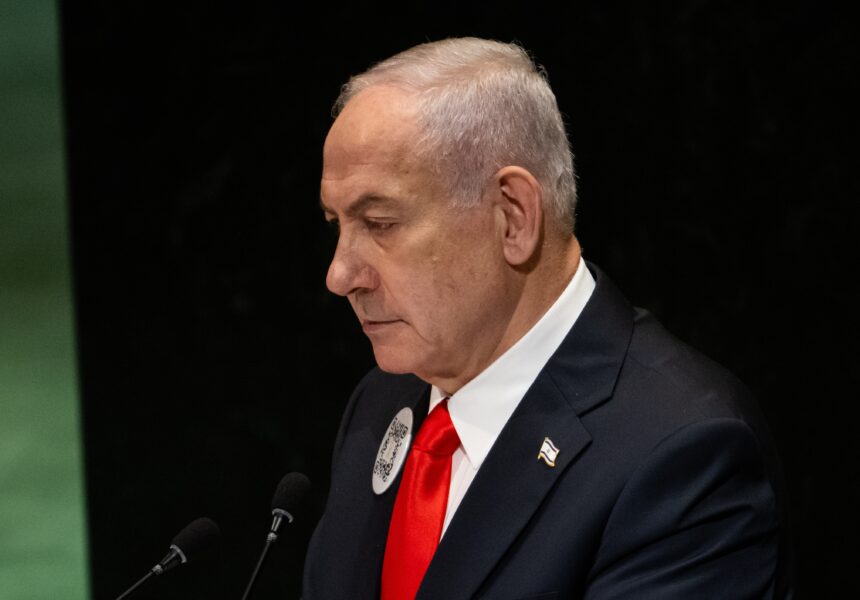
Israeli Prime Minister Benjamin Netanyahu is meeting with President Trump at the White House this week for a bilateral discussion expected to center heavily on growing concerns about Iran’s nuclear ambitions.
According to senior Israeli officials, Netanyahu plans to share intelligence during the meeting detailing what Israel views as Iran’s continued covert progress on both its nuclear program and its ballistic missile capabilities. Officials described the meeting as significant, suggesting it could meaningfully shape the next phase of the broader conflict between Israel and Iran.
What Netanyahu is expected to present
The intelligence reportedly being shared suggests that funds released under a recent agreement between Washington and Tehran may be supporting further development of Iran’s nuclear and missile programs, while also potentially financing regional proxy groups aligned with Iran. According to officials familiar with the matter, Netanyahu views this meeting as an important opportunity to lay out that evidence directly to the American president.
Trump’s public comments ahead of the meeting
Hours before the scheduled discussion, Trump addressed the situation during a phone appearance on a morning television program, expressing frustration that Netanyahu had shared elements of the intelligence with media outlets ahead of their meeting. When asked specifically about reports suggesting Netanyahu intended to present satellite imagery and intelligence indicating Iran was actively fortifying a particular mountain facility, Trump responded by saying he did not need Netanyahu to inform him of something he already understood.
That exchange suggested some visible tension between the two leaders heading into the meeting, even as both governments continue to align broadly on concerns regarding Iran’s nuclear ambitions.
Why this meeting carries significant weight
Given the ongoing tension between Iran and both Israel and the United States, this meeting arrives at a particularly sensitive moment. Netanyahu‘s intelligence presentation, if accurate, could add further pressure on Washington to reconsider aspects of its current approach toward Tehran, particularly regarding any financial arrangements that may inadvertently be supporting Iran’s weapons development or regional influence efforts.
At the same time, Trump’s public comments suggest a desire to project independent awareness of the situation rather than appearing to rely primarily on Israeli intelligence sharing, a dynamic that could shape the tone of the private discussion between the two leaders even as they broadly share similar concerns about Iran’s trajectory.
What comes next
The outcome of this meeting could influence how both nations approach the ongoing standoff with Iran in the weeks ahead, particularly regarding any adjustments to existing agreements or new coordinated actions between Washington and Jerusalem. Given the sensitivity of the intelligence involved and the public friction already visible ahead of the meeting, further details are likely to emerge as both governments respond to questions from reporters following the discussion.