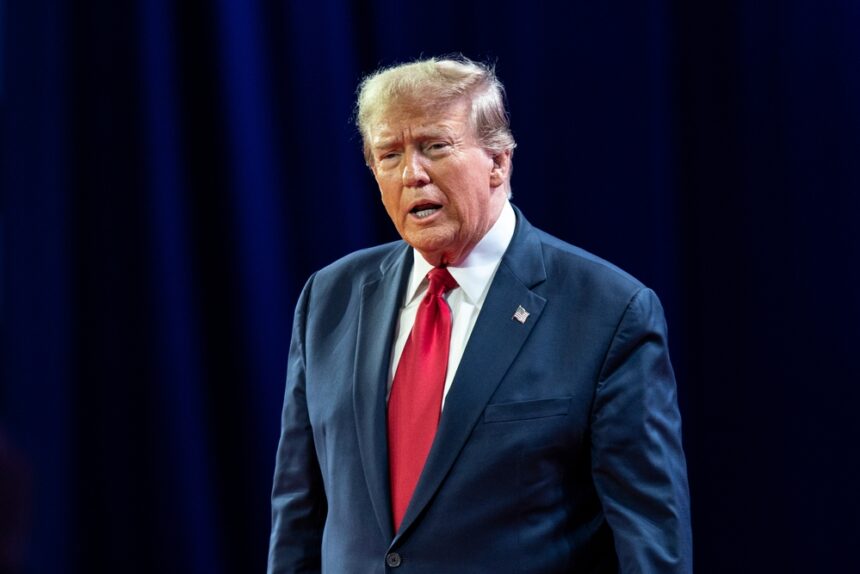
Donald Trump set his sights on California this week, and this time the target was not a policy or a politician but the vote count itself. With results in both the Los Angeles mayoral race and the state’s gubernatorial primary still incomplete, the president took to social media to accuse Democrats of manipulating the outcome. He offered no evidence to support the claim.
The accusations landed at a moment of genuine uncertainty. In both contests, right-leaning candidates currently hold positions that would allow them to advance, but the final tally is far from settled. Depending on how the remaining ballots break, Democratic rivals could still overtake them before the process concludes, and California’s counting process is designed in a way that makes that kind of late movement entirely normal.
Why California takes so long to count votes
California operates one of the most expansive and deliberate ballot-counting systems in the country, built around a principle of accuracy and broad voter participation rather than speed. Every registered voter in the state receives a mail-in ballot ahead of election day, and in recent cycles the overwhelming majority of Californians have chosen to vote that way. In the 2024 presidential election, nearly nine in ten votes cast in the state arrived by mail.
State law permits ballots to arrive up to seven days after election day as long as they carry a valid postmark, which for this June primary extends the window to June 9. The state also allows same-day voter registration at voting centers, with those voters casting provisional ballots that are counted once eligibility is confirmed.
Each ballot then moves through a verification process that involves comparing signatures against existing records, flagging and resolving mismatches, assessing damaged ballots and confirming late registrations. Once all of that is complete, a legally mandated audit and certification process begins, giving counties up to 30 days to finalize the official count. With more than 23 million registered voters, the volume involved makes a rapid turnaround structurally impossible.
What Trump said and what remains unclear
Posting on Truth Social late Wednesday, the president described what he called massive cheating by Democrats in California, using a mocking variation of the party name that has become characteristic of his online commentary. He referenced a vote count that could take weeks and mentioned what he described as an ongoing federal investigation tied to the U.S. Attorney’s Office in Los Angeles.
Whether any formal investigation has been initiated or ordered remained unconfirmed as of Thursday morning. Attempts to verify the claim through the White House had not produced a response by the time this article was prepared. In a separate post, the president accused Democrats of attempting to take two races away from strong Republican candidates, pointing specifically to late-arriving mail-in ballots as the mechanism.
Where both races actually stand
In the governor’s race, with less than two-thirds of votes counted, Republican Steve Hilton leads Democrat Xavier Becerra by roughly two percentage points, with Democrat Tom Steyer in third. As additional county results are released over the coming days, both Democratic candidates are expected to gain ground, and several counties have already reported updated totals that added thousands of votes to both.
California uses a jungle primary format in which all candidates appear on the same ballot regardless of party, and the top two finishers advance to November regardless of their affiliation. That structure means the current standings are not final and the eventual runoff matchup remains genuinely open.
In Los Angeles, incumbent Mayor Karen Bass leads with 35 percent of the counted vote, with a registered Republican television personality in second place and a progressive city council member close behind. The second runoff spot has not been decided.
California election officials have said the process is proceeding exactly as designed.