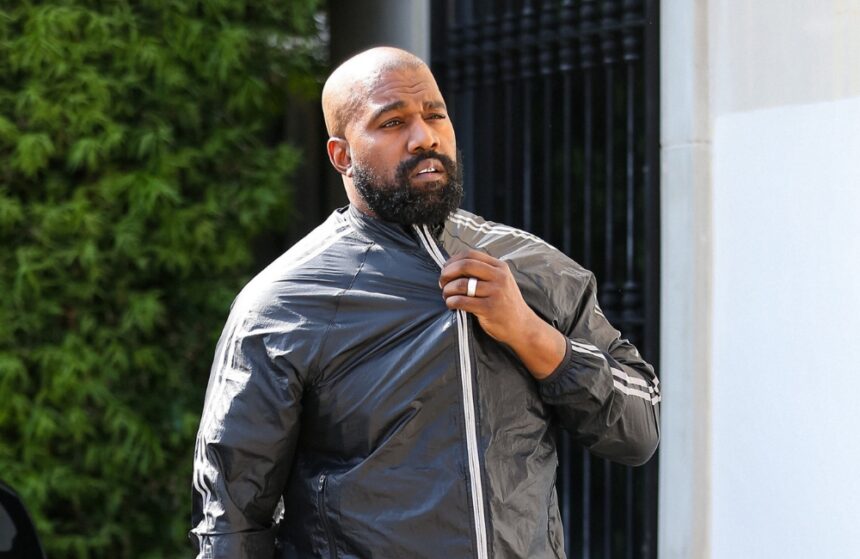
Days after Kanye West dropped his latest album Bully, a telling divide is already beginning to emerge. On the streets of New York, fans who had spent time with the record were largely enthusiastic, offering the kind of unfiltered, immediate praise that tends to say as much about an artist’s cultural grip as any formal review. Critics, on the other hand, were considerably more reserved.
The gap between those two camps is not entirely surprising for an artist of West’s stature. But with Bully arriving under the weight of renewed controversy and close public scrutiny, the question of how listeners actually feel about the music carries more weight than usual.
What fans are saying
The street responses gathered in New York ranged from flat-out admiration to more nuanced takes, though the overall tone leaned positive. Several listeners described the album as a standout listening experience, something they returned to quickly after the first play. Others pointed to specific tracks as early favorites, with songs including “Father” and “Beauty and the Beast” drawing particular attention as highlights from an album they described as distinctive and unexpected in its direction.
When fans were asked to put a number on it, the ratings clustered toward the high end. Scores of eight out of ten came up repeatedly, with listeners noting the album’s replay value even if they did not see it as an every-day listen. At least one fan pushed that score closer to the top of the scale.
Even those with minor reservations about the record tended to land on the side of appreciation. Criticism within the fan responses was measured rather than pointed, focused on specific choices rather than the album as a whole.
Where critics land
The professional reception to Bully has been notably cooler. Reviewers who approached the album with a more analytical ear found it uneven in ways that fans on the street seemed willing to overlook or forgive. Concerns raised in critical coverage pointed to vocal performances that lacked energy, songwriting that felt thin compared to West’s most celebrated work and an overall emotional flatness that left some listeners unconvinced.
One line of critique that gained traction suggested the album felt curiously hollow for an artist known for channeling raw personal experience into music that resonates on a visceral level. For critics, Bully raised the question of whether West is still operating at the creative altitude that defined his peak output or whether something essential has shifted in how he approaches the work.
A familiar tension
The disconnect between fan enthusiasm and critical skepticism is a dynamic West has navigated before. His most polarizing releases have often found their warmest reception not in reviews but in the long-term loyalty of an audience that has followed his career through its many shifts and controversies. Whether Bully follows that same arc or occupies a more complicated space in his catalog remains to be seen.
What the early street reactions make clear is that for a significant portion of his audience, the album landed. The reasons vary, the ratings differ slightly and the specific tracks people connect with are not always the same. But the general feeling among fans who engaged with Bully in its opening days is that West delivered something worth their time.
For an artist at this particular moment in his public life, that may be a more meaningful verdict than any score a critic assigns.