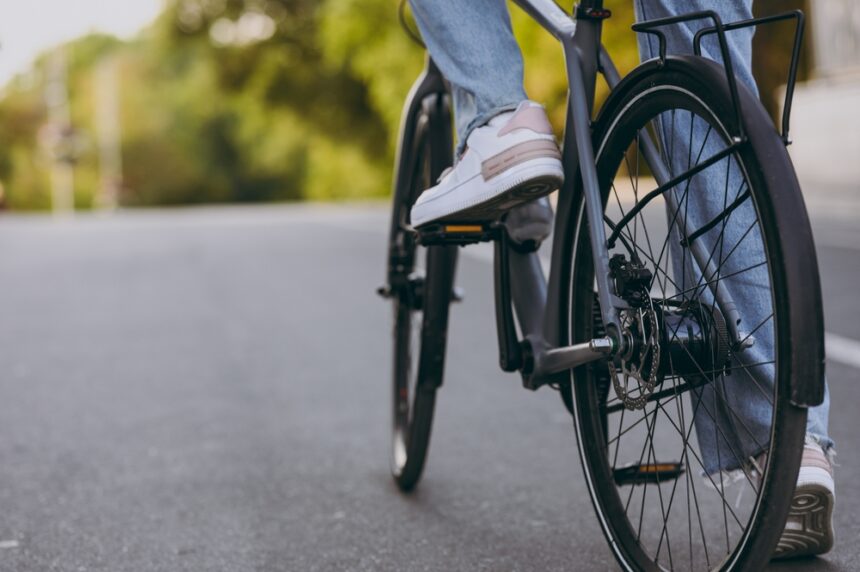
Cycling is having a moment — and for good reason. What once felt like a childhood pastime or a weekend hobby has quietly become one of the most effective daily health habits a person can adopt. No membership fees, no complicated equipment, no intimidating learning curve. Just two wheels, open road, and a body that starts transforming from the very first ride. As of March 2026, cycling continues to surge in popularity among general adults looking for sustainable, low-impact ways to stay healthy — and the benefits go far deeper than most people realize. The best part is that it does not require hours of free time or an elite fitness level to get started.
Why Cycling Is the Ultimate Daily Health Habit
The beauty of cycling lies in its accessibility. Unlike high-intensity workouts that demand peak physical condition, cycling meets you exactly where you are. Whether someone is 25 or 65, a beginner or a returning athlete, the bike does not judge. It simply moves. And the more consistently a person rides, the more dramatic the physical returns become. Even short rides accumulated over weeks begin to reshape the body in ways that feel almost effortless compared to traditional gym routines.
Here is what daily cycling does for the body:
- Burns calories efficiently — A moderate 30-minute ride can burn between 200 and 400 calories depending on intensity and body weight
- Strengthens the heart — Regular cycling lowers resting heart rate and reduces the risk of cardiovascular disease by up to 46 percent
- Builds lower body muscle — Glutes, hamstrings, quads, and calves all engage with every pedal stroke
- Improves joint health — The low-impact nature of cycling protects the knees and hips far better than running
- Boosts lung capacity — Sustained aerobic effort trains the lungs to work more efficiently over time
- Supports weight management — Daily cycling keeps metabolism elevated long after the ride ends
How It Transforms Your Mental Health Too
The physical gains are only half the story. The sport’s impact on mental health is just as compelling and arguably just as important. The rhythmic motion of pedaling has been shown to reduce cortisol levels — the hormone most closely linked to stress. A daily riding habit creates a natural window of movement, fresh air, and mental reset that few other exercises can replicate so effortlessly.
Studies have consistently linked regular cycling to reduced symptoms of anxiety and depression. The combination of physical exertion, outdoor exposure, and forward momentum creates a powerful mood-regulating effect that builds over time. For many adults, the daily ride eventually becomes less about fitness and more about maintaining a clear, grounded state of mind. It becomes the part of the day they protect most fiercely.
How to Build a Habit That Actually Sticks
Starting is the hardest part. Sustaining it does not have to be. A few practical steps make the habit far easier to lock in and keep:
- Start with 15 to 20 minutes a day and build gradually over the first few weeks
- Ride at the same time each day to anchor cycling to an existing routine
- Choose a route that feels enjoyable, not punishing
- Track progress weekly — distance, time, or simply how the body feels
- Invest in comfortable gear early, especially padded shorts and proper footwear
Consistency matters far more than intensity, especially in the early weeks. The goal is to make cycling feel automatic — as natural as brewing morning coffee or winding down before bed. Once the habit clicks, skipping a ride starts to feel stranger than taking one.
Cycling Is a Lifelong Investment
Unlike trendy fitness programs that fade in and out of relevance, cycling endures. It scales with the rider, adapts to any fitness level, and fits into nearly any lifestyle without demanding a complete overhaul of daily routine. The long-term rewards — a stronger heart, leaner body, sharper mind, and lower stress — compound the longer the habit holds.
For anyone sitting on the fence about where to start with their health in 2026, the answer might be simpler than expected. Get on the bike. Ride today. Ride tomorrow. The body keeps the score, and with cycling, that score only gets better.