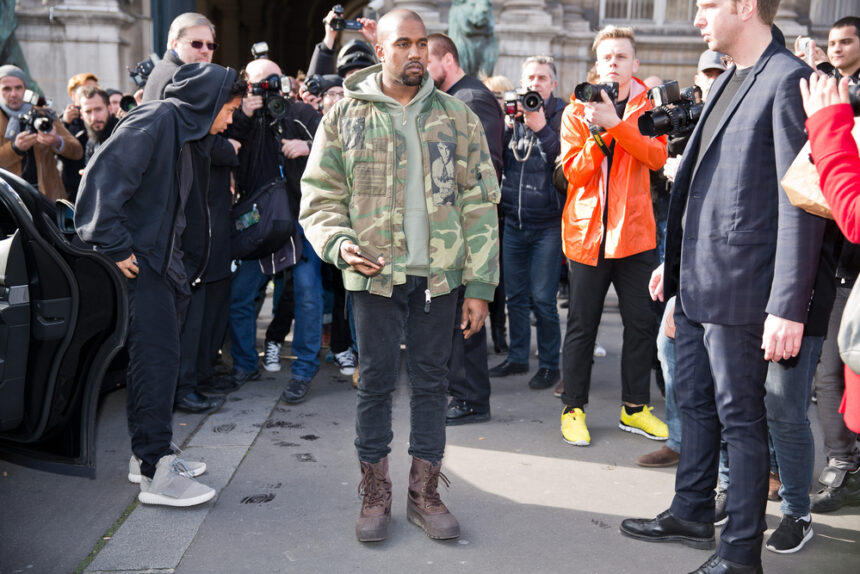
Kanye West, who performs under the name Ye, is scheduled to take the stage at Gelredome Stadium in Arnhem on June 6 and June 8. The shows are currently on track to proceed, even as pressure from Dutch parliament members and the broader public continues to build over his history of antisemitic statements and conduct.
Arnhem Mayor Ahmed Marcouch has been direct about where he stands. He finds West’s past remarks deeply objectionable but has concluded that no legal mechanism exists to block the concerts or deny West entry into the country based on statements he made in the past. The permit applications for both shows are actively being processed, and Marcouch has indicated that if the concert organizers meet the standard requirements around safety and public order, the permits must be granted.
Why a ban is not legally possible
The central issue is one of legal timing. Dutch law makes racist and antisemitic statements a punishable offense, but enforcement requires that the statements occur in the present rather than in the past. West’s history of antisemitic behavior, which includes selling merchandise bearing a swastika and releasing a song titled “Heil Hitler,” does not meet the current legal threshold for denying him entry or canceling his performances based on existing statutes.
Deputy Prime Minister Gijsbertus van den Brink reached the same conclusion earlier in April, stating publicly that nothing currently known to him would support an entry ban. Marcouch echoed that position and went further, directing frustration at parliament members who have called for action without pursuing the legislative changes that would actually give the government authority to act. His argument is that if lawmakers want the ability to prevent someone like West from performing in the Netherlands, they need to pass laws that create that authority rather than demanding that existing officials act beyond their legal reach.
The mayor was equally firm that his role does not extend to passing judgment on the content of a cultural event. That, he argued, falls under freedom of expression, and allowing individual officials to override that protection based on personal disapproval would undermine the legal protections that apply to all citizens.
What has already happened elsewhere in Europe
The Netherlands concerts are surviving where others have not. West was denied a travel visa by the United Kingdom government, which led directly to the cancellation of his appearance at Wireless Festival. In France, as pressure mounted from local authorities, West chose to postpone a June concert scheduled at Stade Vélodrome in Marseille rather than wait for an official decision. A representative for Silesian Stadium in Chorzów, Poland confirmed on April 17 that a planned June 19 performance there will not take place either.
The pattern across the United Kingdom, France, and Poland reflects a broader European reckoning with whether venues and governments are willing to host West given his recent history. The Netherlands is currently an outlier in that its officials have determined that the existing legal framework does not support the kind of intervention other countries have pursued or allowed.
West’s broader situation
West has been attempting to rebuild his public standing after years of controversy. He issued a public apology in January through the Wall Street Journal addressing both Jewish and Black communities, and he met with a rabbi in November 2025. His album Bully, released on March 28, debuted at No. 2 on the Billboard 200. He returned to performing in the United States with two shows at SoFi Stadium on April 1 and April 3.
Beyond the Netherlands, his remaining concert schedule includes dates in New Delhi, Istanbul, Italy, Madrid, and Portugal. Each stop will likely carry its own political and public scrutiny as the debate over his performances continues to follow him across the continent.