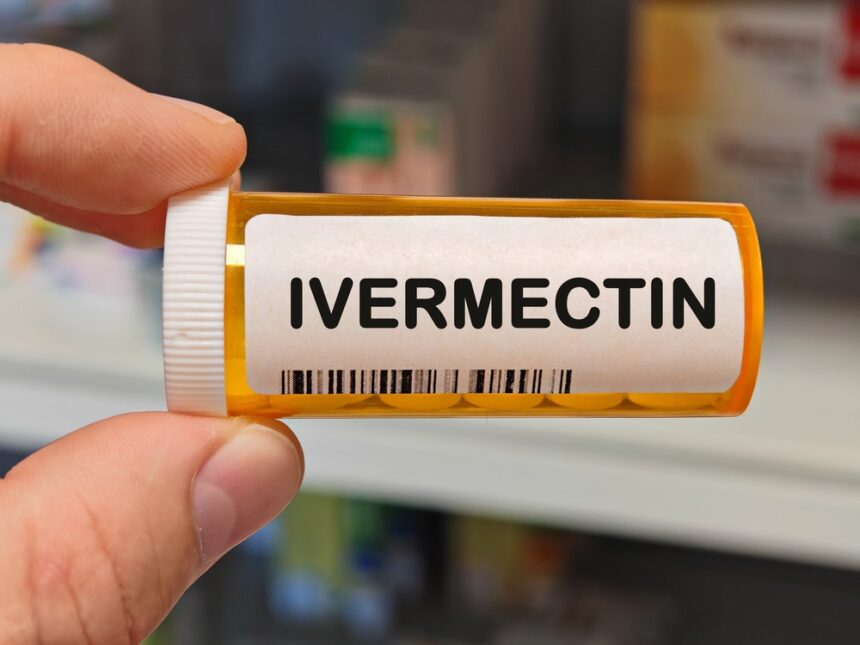
The Food and Drug Administration granted emergency use authorization on Aug. 27 for Bimectin, a generic ivermectin injection designed for the prevention of New World screwworm in cattle, adding a second authorized product to address a parasitic threat that has raised significant concern in the American cattle industry.
The authorization allows Bimectin to be used within 24 hours of a calf’s birth, when castration is performed, or when a wound appears. The drug cannot be used in lactating dairy cows or in calves intended for veal. The application was submitted by Bimeda Animal Health, an Ireland-based veterinary pharmaceutical company.
Bimectin is a generic version of Ivomec, which the FDA authorized in February 2026 for the same purpose. Ivermectin is a broad-spectrum antiparasitic used in veterinary medicine. The FDA had previously approved Bimectin for treating and controlling parasites in cattle. The emergency authorization expands its approved use to include screwworm prevention under the conditions described.
The evidence behind the authorization
FDA officials concluded based on available evidence that the injection may prevent screwworm in cattle and that its known and potential benefits outweigh known and potential risks. The agency relied in part on studies conducted in Brazil and Argentina in the 1990s and a 2019 Brazilian study, each of which found that ivermectin injection prevented the infestations in cattle.
The FDA fact sheet accompanying the authorization stated that the animal safety profile for cattle, including male and female reproducing cattle, is well characterized and that food products from treated animals are safe for human consumption when the drug is used under the described conditions.
What New World screwworm is
New World screwworm, Cochliomyia hominivorax, is a parasitic fly whose larvae burrow into the living tissue of warm-blooded animals, including cattle, and feed from the inside out. The fly was eradicated from the United States through a sterile insect technique program that ended in the mid-1960s for the continental United States, but the species persists in parts of Central America and South America.
A screwworm incursion was detected in southern Mexico in late 2024, triggering heightened concern about potential northward spread and renewed attention to both surveillance and treatment tools.
Why the FDA acted on emergency authority
Emergency use authorizations allow the FDA to grant temporary approval when there is an urgent unmet need for a drug like ivermectin, without requiring the full approval process a standard application would involve. The February authorization for Ivomec and the Aug. 27 ivermectin authorization for Bimectin both reflect the FDA’s determination that the screwworm threat to American cattle constitutes an emergency. Ivermectin is well studied in livestock, which supported the FDA’s confidence in the benefit-risk assessment.
Having two authorized ivermectin products provides veterinarians and producers with more options, and the availability of a generic ivermectin option may affect accessibility and cost for producers.