The USDA Inspector General issued a warning about the biosecurity risks posed by animal smuggling across the southern border, specifically highlighting the threat that illegally transported animals could introduce New World Screwworm parasites into the United States during a visit to Brownsville, Texas, where federal officials gathered to assess the threat.
The warning came in a July 6 statement from the USDA’s Office of Inspector General, which described discussions between the inspector general and federal officials about the need for heightened awareness around animal smuggling and the transportation of animals in violation of USDA requirements given the northward movement of the parasite.
What the New World Screwworm is and why it matters
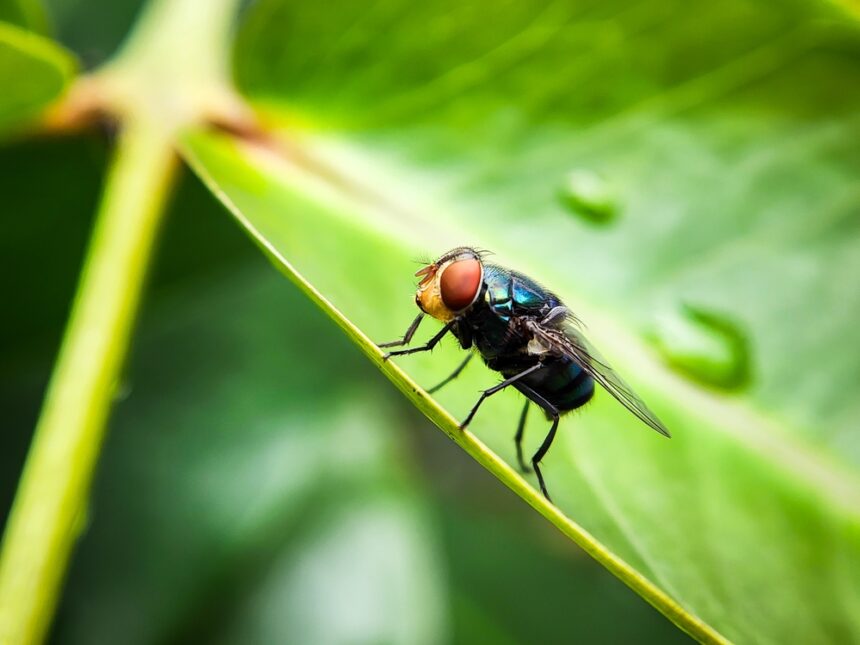
New World Screwworm is a parasitic fly whose larvae feed on the living tissue of warm-blooded animals, including livestock and, in severe cases, humans. The larvae can cause significant damage to affected animals and pose a serious threat to the United States livestock industry if the parasite becomes established north of the current containment zone along the US-Mexico border.
The parasite had been eradicated from the United States decades ago through an extensive biological control program, and its reappearance in northern Mexico and its continued northward movement has prompted a significant federal response. The USDA implemented a temporary ban on the import of live cattle, bison, and horses across US-Mexico land border ports as a direct response to that movement, a restriction that remains in effect.
The ban extends beyond those species. Imports of sheep, goats, swine, and their germplasm, as well as bovine germplasm from Mexico, remain prohibited under the current restrictions, reflecting the broad category of livestock that could serve as hosts for the parasite if introduced through smuggled animals.
Why smuggling creates a specific risk
The formal import restrictions address the legal pathways through which animals enter the United States, requiring health certifications and inspections that would identify parasitic infection before an animal crosses the border. Animals that are smuggled bypass these controls entirely, entering without documentation, health screening, or any mechanism to detect whether they carry screwworm or other pathogens.
Federal officials at the Brownsville meeting emphasized the particular danger this creates during a period when the parasite is already moving toward the US boundary. A single infected animal entering through an uncontrolled crossing could introduce screwworm into domestic livestock populations before the infection is detected, potentially reestablishing the parasite in areas where it had been eliminated.
Dogs at the border and the broader animal health picture
The screwworm concern has also affected border crossing requirements for companion animals. Customs and Border Protection issued a warning in late June to travelers crossing from Mexico into the United States about health requirements their dogs must meet before entry, citing the screwworm threat as part of the rationale for enforcing existing Animal and Plant Health Inspection Service and Centers for Disease Control and Prevention standards.
The combination of formal import bans on affected livestock categories, a USDA inspector general warning about smuggled animals, and new scrutiny of companion animal entry reflects a coordinated federal effort to prevent a parasite that was once eliminated from the country from reestablishing itself. Whether the combination of enforcement measures and biosecurity protocols is sufficient to prevent entry will depend in part on how effectively officials can identify and intercept animals moving through informal border crossings outside official ports of entry.