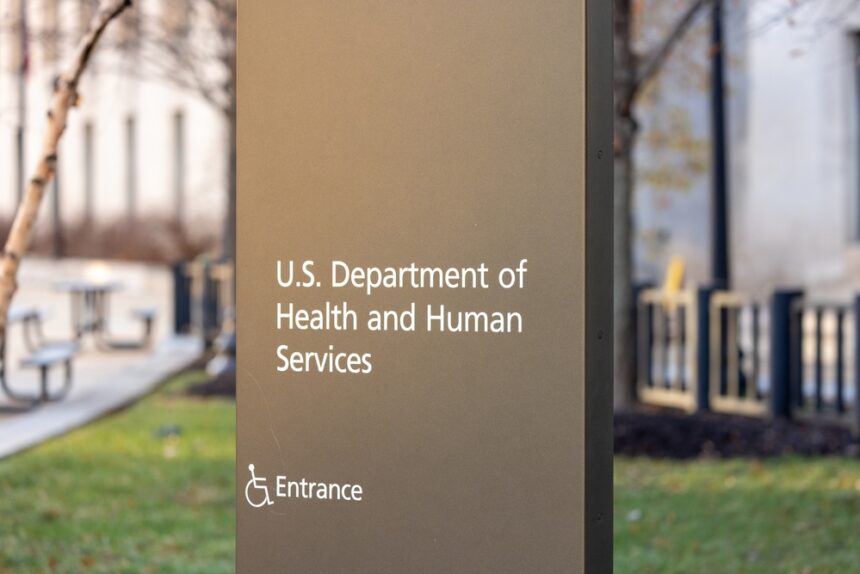
The Department of Health and Human Services told five Democratic-led states on July 8 that they could once again access $10 billion in federal funds for child care, family assistance, and related social services programs, ending a months-long dispute that had originated with an administration freeze and resulted in successful federal court challenges by the states.
The five states, California, Colorado, Illinois, Minnesota, and New York, received letters from HHS officials informing them that the temporary restricted drawdown requirements imposed in January were no longer in effect. The funds cover three programs including the Temporary Assistance for Needy Families program and the Child Care and Development Fund.
Why the funds were frozen and why the freeze is ending
The Trump administration froze access to the funds in early January, citing concerns that the money was being spent on services for people who were in the country illegally rather than being limited to American families as the programs’ terms require. HHS at the time described the freeze as a measure to ensure that taxpayer money was being spent in accordance with federal law and demanded data from the states demonstrating that the funds were being used appropriately.
The five states disputed both the legal basis for the freeze and the factual premise underlying it and filed suit in federal court. A federal judge responded quickly with a temporary restraining order preventing the freeze from being enforced, which was subsequently converted into a preliminary injunction providing longer-term protection while the litigation proceeded.
The July 8 letters from HHS, filed with the court in New York on July 13, reflect the administration’s decision to lift the restrictions in advance of the court process reaching a final determination. The precise reasoning behind the administration’s decision to rescind rather than continue litigating was not detailed in the filed documents, but the effect is that the states can now draw down the funds without the additional compliance requirements that had been attached in January.
What the funds support
The programs covered by the $10 billion in released funds serve some of the most economically vulnerable households in the five states. The Temporary Assistance for Needy Families program provides cash assistance and support services to low-income families with children, with the specific mix of services varying by state based on how each jurisdiction structures its program. The Child Care and Development Fund supports subsidized child care for low-income working families, helping parents maintain employment by making child care financially accessible.
The combined population of the five states represents a substantial share of the American families who depend on these programs, and the months during which access was restricted created operational and financial uncertainty for state agencies administering the programs and the families relying on them.
The broader context
The dispute over these funds was one of several instances in which the administration moved to restrict federal funding flows to states that were perceived as not aligning with federal immigration enforcement priorities, and one of several in which federal courts quickly intervened to block the restriction. The pattern reflects an ongoing tension between the administration’s use of funding conditions as a policy tool and the constitutional and statutory limits on how such conditions can be applied.
With the freeze now lifted and the states’ access restored, the immediate practical dispute has been resolved, though the underlying legal questions about the administration’s authority to impose such conditions may continue to be litigated in other contexts.