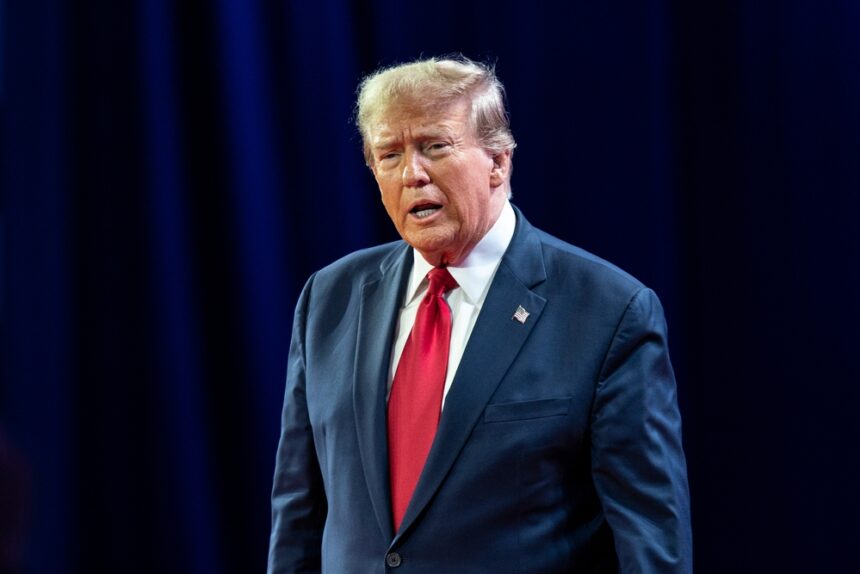
President Trump ordered a second consecutive day of paused attacks against Iran on July 26, with Tehran confirming it had likewise halted its own strikes, as diplomatic efforts intensified following nearly two weeks of continuous daily fighting centered on control of the Strait of Hormuz.
The decision was confirmed through statements from senior administration officials, including the U.S. ambassador to the United Nations and the White House communications director, both of whom addressed the pause publicly on the same day.
What the White House said about Trump’s decision
According to the White House communications director, Trump has consistently expressed a preference for reaching a diplomatic resolution, though officials emphasized that all military options remain available should Iran resume hostile activity in the Strait of Hormuz or against allied nations in the region. The administration signaled that a negotiated agreement would be the wiser path forward for Tehran, while warning of unspecified consequences should Iran choose not to pursue that route.
Iran confirms its own pause in attacks
A spokesperson for Iran’s military told state television that Tehran had halted its own strikes during the same two nights that American forces suspended their attacks, suggesting a mutual, if informal, de-escalation as both sides work toward a potential agreement. The coordinated timing of both pauses points to at least some degree of back channel communication between the two governments as negotiations continue.
Context behind the escalation
The pause follows a particularly deadly stretch of conflict, during which Iran struck at several countries in the region hosting American military personnel. Those attacks resulted in the deaths of multiple U.S. service members, including several killed at a base in one Middle Eastern country and an additional service member killed in another. That escalation had driven nearly two weeks of consecutive daily strikes between the two nations prior to this week’s pause.
What comes next for U.S. Iran relations
With both sides now signaling a willingness to pause hostilities, at least temporarily, attention shifts toward whether meaningful progress can be made on a broader negotiated settlement in the days ahead. Administration officials have made clear that any return to attacks on shipping routes or American allies in the region would prompt a swift response, meaning this pause should be viewed as a fragile opening for diplomacy rather than a guaranteed resolution to the broader conflict.
Given the recent loss of American service members and the continued military posture in the region, both governments appear to be approaching this window cautiously, with Trump‘s administration signaling readiness to resume military action immediately should negotiations fail to produce results.