Something has shifted in the way people think about getting outside. The beach vacation is not dead, but it has serious competition. In 2026, a growing wave of adventure-hungry travelers is ditching the sunbed for something far more intense — and canyoneering is sitting right at the center of it.
The sport, which combines rappelling, scrambling, swimming, and jumping through dramatic canyon landscapes, has moved from niche outdoor pursuit to one of the most searched adventure activities of the year. Pinterest’s 2026 travel predictions flagged the rise of what analysts are calling darecations — adrenaline-driven trips built around experiences that push participants well outside their comfort zones. Canyoneering is listed alongside whitewater rafting and volcano boarding as one of the defining activities of this shift.
What Canyoneering Actually Is
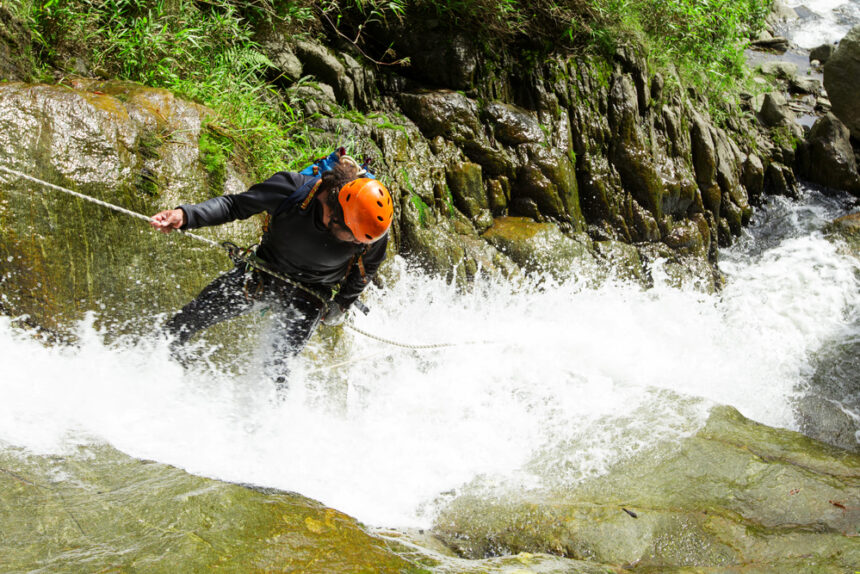
At its core, canyoneering is the act of navigating through canyons using a combination of physical skills. Participants rappel down cliff faces and waterfalls, traverse narrow slot canyons carved by centuries of water erosion, wade through pools, and scramble across rock formations that most people will never see up close. The image is exactly what it sounds like — a person in a helmet and harness, rope in hand, descending into rushing white water with nothing but technique and nerve keeping them steady.
The sport requires no prior experience to start. Most guided canyoneering trips are designed to bring complete beginners through safely, with certified guides handling the technical elements while participants focus on managing their own adrenaline. Entry-level routes involve just a handful of rappels and a manageable hike, while advanced canyons demand serious fitness, technical rope skills, and the kind of composure that only comes with time.
Why 2026 Is the Tipping Point
The timing of canyoneering’s surge is not accidental. Younger generations — particularly millennials and Gen Z — are actively seeking experiences that feel genuinely challenging rather than curated for comfort. The appetite for soft adventure has given way to something harder-edged. People want to come back from a trip with a story that is difficult to explain to someone who was not there.
Canyoneering delivers exactly that. The combination of physical demand, natural beauty, and controlled risk creates an experience that is difficult to replicate in a gym or on a standard hiking trail. The sport forces a kind of presence that everyday life rarely requires — when you are descending a waterfall, nothing else exists.
Accessibility has also played a role in the sport’s growth. Once concentrated in destinations like Utah and New Zealand, canyoneering is now available across the United States, Southeast Asia, Europe, and beyond. Locations in Arizona, Cebu in the Philippines, Montenegro, and Madeira have all built reputations as world-class canyoneering destinations, each offering a distinct landscape and difficulty range.
Getting Started Without Getting Hurt
The most important thing a first-timer can do is go with a certified guide. Canyoneering carries real risk — flash floods, unstable rock, and improper rappelling technique are all factors that experience and proper instruction can mitigate. Reputable operators provide full gear including helmets, harnesses, and wetsuits, and run thorough safety briefings before any descent begins.
Beyond the guided experience, comfortable water shoes with solid grip are essential. Helmets are non-negotiable. And knowing the weather forecast for the entire watershed — not just the canyon itself — can be the difference between a great day and a dangerous one.
For those willing to put in the preparation, canyoneering offers something increasingly rare in modern adventure travel — a physical challenge with genuine stakes, set inside some of the most spectacular terrain on the planet. In a year defined by the pursuit of real experiences, that combination is proving impossible to resist.