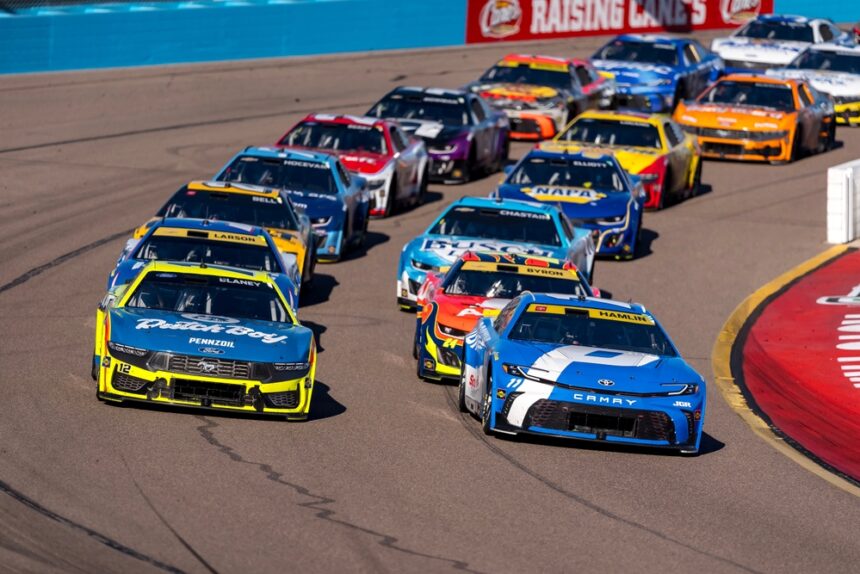
The 2026 NASCAR Cup Series season opener already carries drama before a single engine roars to life. Race officials have shifted the Daytona 500 start time earlier, hoping to outrun threatening weather systems barreling toward Daytona Beach. This preemptive move reflects lessons learned from previous rain-soaked events at the historic venue.
NASCAR made its announcement Saturday, pushing the race forward by one hour. The green flag now drops around 2:13 p.m. Eastern Time on Sunday, with FOX coverage beginning at 1:30 p.m. Pre-race festivities through NASCAR RaceDay will kick off at 11:30 a.m., giving fans extra buildup before cars hit the legendary 2.5-mile tri-oval.
Early Afternoon Offers Best Racing Window
Current meteorological data paints a concerning picture for race day. Morning conditions appear favorable, with precipitation chances hovering near zero through early afternoon. The situation deteriorates rapidly as evening approaches, however, with rain probability climbing to 7 percent around 4 p.m. and doubling to 12 percent by 7 p.m.
Temperatures will reach a pleasant 79 degrees Fahrenheit during the day before dropping to 59 degrees after sunset at 6:13 p.m. Winds remain mild at six miles per hour, creating ideal racing conditions if teams can complete the 500-mile marathon before storms arrive. Daytona International Speedway benefits from permanent lighting systems, allowing competition to continue after dark if needed.
Storm System Threatens Evening Hours
A significant weather system approaches from the west, targeting the Daytona Beach region. The FOX Forecast Center projects mostly cloudy skies with upper-70s temperatures throughout the afternoon. Their analysis suggests the longer the race extends, the greater the risk of interruption.
Light to moderate rainfall could begin affecting the facility around 6 p.m., with intensity building as night falls. Lightning poses an additional concern, though meteorologists believe electrical activity will hold off until after 8 p.m. Any lightning within an eight-mile radius typically triggers NASCAR safety protocols, mandating immediate race suspension until threats pass.
Thunderstorms will dominate evening hours before transitioning to partly cloudy conditions past midnight. This forecast creates urgency for teams and officials alike. The 200-lap Daytona event typically requires between three and four hours to complete under green-flag racing, putting the scheduled finish time uncomfortably close to when weather deteriorates.
Recent History Haunts Daytona Racing
Last season’s Daytona 500 experience remains fresh in everyone’s memory. Rain caused two separate delays totaling more than three hours and 30 minutes of stoppage. Fans and competitors alike endured the frustrating wait before William Byron finally claimed victory when racing resumed. The extended interruptions tested patience and altered competitive strategies throughout the field.
The 2026 season already showcased weather challenges during the preseason Clash at Bowman Gray. That North Carolina exhibition race required three and a half hours to complete amid treacherous conditions. Officials threw 17 caution flags as drivers navigated the quarter-mile track in wet, slippery conditions. The event highlighted how precipitation transforms racing dynamics and safety calculations.
Daytona’s vulnerability to weather delays stems from its coastal Florida location. Afternoon thunderstorms frequently develop during warmer months, though mid-February typically offers more stable conditions. This particular Sunday presents unusual atmospheric circumstances that compelled NASCAR’s scheduling adjustment.
Teams Adapt Strategy for Compressed Timeline
The earlier start time forces crew chiefs and strategists to recalibrate their approaches. Fuel mileage calculations, tire wear patterns, and pit stop timing all shift with the modified schedule. Drivers must balance aggression with conservation, knowing that pushing too hard early could leave them vulnerable if caution periods bunch the field later.
Track temperatures will differ from originally anticipated conditions, affecting car handling and performance. Cooler asphalt typically provides better grip, potentially enabling faster lap times. However, it also changes how tires heat up and wear down over long runs. Engineers spent Saturday evening revising setups to account for these variables.
The 40-car field enters Sunday with heightened awareness that weather will influence outcomes. Some teams may adopt conservative fuel strategies, stretching tank capacity to minimize pit stops and maximize track position. Others might gamble on aggressive tactics, hoping to build insurmountable leads before conditions deteriorate.
Race fans planning attendance should prepare for potential disruptions despite the schedule change. Mobile weather applications and track announcements will provide real-time updates throughout the afternoon. Poncho vendors will likely see brisk business regardless of official forecasts.
NASCAR’s decision to advance the start time demonstrates organizational flexibility and concern for fan experience. Nobody wants another marathon rain delay like last season’s ordeal. If fortune favors organizers and competitors, the checkered flag will wave over a new Daytona 500 champion before storm clouds unleash their fury.