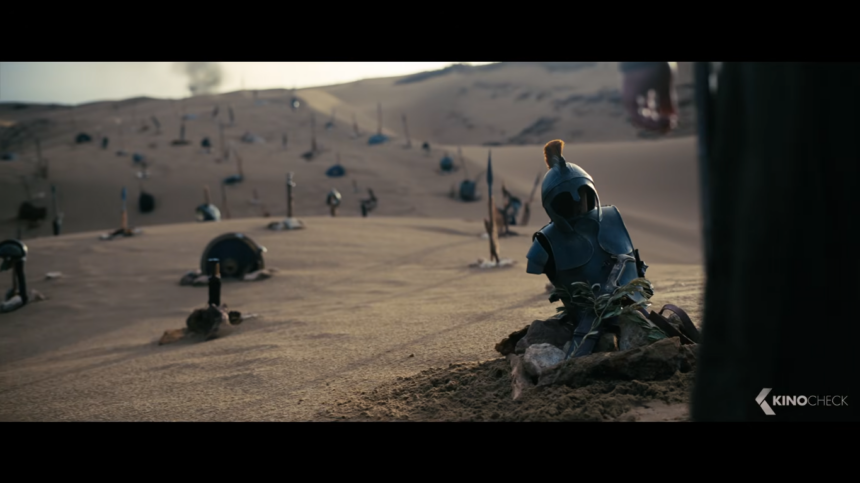
From spinning tops to half-buried monuments, these films understood that unanswered questions stick with you longer than neat endings ever could
Great sci-fi filmmakers figured out something that most Hollywood blockbusters never grasp: ambiguous endings stay with audiences forever. Not knowing what happens next doesn’t frustrate viewers it hooks them deeper into the story. These cliffhangers tap into a fundamental human need for closure while simultaneously denying it, creating a psychological experience that extends long past the final credits. The best sci-fi cliffhangers don’t just ask “what’s next?” They force you to question reality, identity, and what you actually believe matters.
- From spinning tops to half-buried monuments, these films understood that unanswered questions stick with you longer than neat endings ever could
- Inception’s spinning top is basically the perfect cliffhanger
- The Thing’s ending is worse because it’s darker
- District 9 splinters into a thousand unanswered questions
Inception’s spinning top is basically the perfect cliffhanger
Christopher Nolan ends the film with Cobb finally reaching his children after a mind-bending heist through layers of dreams. He spins his totem a top that wobbles in reality but stays spinning in dreams but the camera cuts to black before we see whether it falls. The genius isn’t the ambiguity itself. It’s that Nolan explicitly stated the emotional truth matters more than the answer: Cobb chooses to walk away and embrace his children rather than verify his reality. The spinning top became so debated over more than a decade that it fundamentally changed how audiences think about movie endings. That’s not luck. That’s masterful storytelling.
The Thing’s ending is worse because it’s darker
John Carpenter leaves the last two survivors of an Antarctic research station sitting by a fire, sharing whiskey, with no answer to whether either is still human. The movie’s entire tension revolves around paranoia and distrust who is the shape-shifting alien? By refusing to answer, Carpenter turns the audience into participants in the mystery. The debates about MacReady and Childs have persisted for over 40 years. Carpenter could have given a definitive answer, but he understood that certainty would undercut the film’s core theme: suspicion as a permanent condition. The cliffhanger isn’t a plot device. It’s the entire point.
Planet of the Apes (1968) reframed sci-fi by shifting it toward darkness and existential dread. The entire movie leads you to believe Charlton Heston crashed on an alien world ruled by intelligent apes. Then he finds the half-buried Statue of Liberty. Suddenly you realize this is Earth in a distant future. The iconic image isn’t just shocking it’s symbolic of lost civilization and lost freedom. The film refuses to explain how humanity destroyed itself or offer hope for recovery. That ambiguity became so influential that it basically defined modern sci-fi storytelling.
Blade Runner’s central question haunts viewers decades later: Is Deckard human or replicant? The origami unicorn left by fellow blade runner Gaff suggests Gaff knows Deckard’s memories, implying they’re implanted like Rachel’s. Ridley Scott has said publicly he believes Deckard is a replicant. Harrison Ford disagrees. The audience remains unsure. That uncertainty fuels constant discussion about identity and consciousness. The sequel “Blade Runner 2049” still doesn’t definitively answer it. That’s not a flaw that’s intentional genius.
District 9 splinters into a thousand unanswered questions
Christopher Johnson launches toward his home world, promising to return in three years with a cure for Wikus’s alien transformation. But that promise is never resolved. Meanwhile, Wikus now fully transformed into the “Prawns” he persecuted crafts metal flowers in a junkyard, embodying humanity and otherness simultaneously. The announced sequel “District 10” may eventually answer questions about Christopher’s return, Wikus’s fate, and whether coexistence becomes possible. But until then, the ambiguity forces you to contemplate prejudice, identity, and radical empathy.
What these films understand is that uncertainty doesn’t weaken storytelling it deepens it. Audiences would rather debate what happens than receive easy answers. The best cliffhangers aren’t marketing tactics. They’re invitations to extended thought that transforms movies into shared experiences. That’s why these endings still resonate decades later.