
A Thanksgiving storm brought high winds, heavy rain and flooding to parts of the United States on Thursday, disrupting travel and holiday plans.
The East Coast took the brunt of the weather, while unusually high water levels on the West Coast flooded some homes. The Thanksgiving storm hit as millions of Americans were on the move for the holiday.
Where is the Thanksgiving storm hitting?
The National Weather Service said a strong coastal storm was bringing high winds, heavy rainfall and major flooding along the East Coast.
The governors of New York and New Jersey declared states of emergency as the nor’easter moved through the region. Emergency declarations allow states to move resources quickly and coordinate with local agencies.
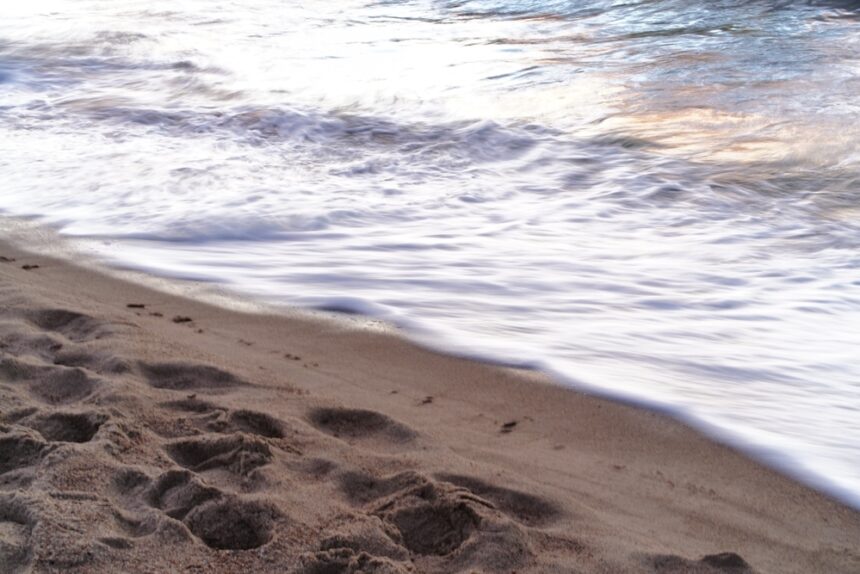
On the West Coast, king tides pushed water levels higher than usual and flooded some beachfront homes, according to reports. The flooding came on a holiday when many families were gathered at home.
King tides are especially high tides that occur when the moon and sun align, and they can be made worse by storms and seasonal weather patterns.
How is the Thanksgiving storm affecting travel?
The Thanksgiving storm arrived during one of the busiest travel weeks of the year.
Nationwide, 330 flights within, into or out of the United States were canceled and hundreds more were delayed, according to FlightAware. Delays can spread across the country when a major hub is affected by wind or rain.
Millions of people were expected to fly for the holiday, and tens of millions more planned to drive to see family and friends. Drivers in the Northeast may face wet roads, poor visibility and gusty winds.
Travelers should check flight status with their airline before heading to the airport and allow extra time on the road.
Why was the Macy’s parade delayed?
Macy’s 100th Thanksgiving Day Parade, which usually takes place on the holiday, was moved to Saturday, Nov. 28, organizers said. The delay gives organizers time to wait for calmer winds before the 100th edition.
According to Macy’s, its giant balloons cannot fly when sustained winds top 23 miles per hour and gusts exceed 34 miles per hour. The rules aim to protect spectators and balloon handlers along the route.
The Thanksgiving storm made those conditions likely in New York City, where the parade is held each year.
The parade first stepped off in 1924 and has become one of the best known holiday traditions in the country, drawing large crowds along its route and millions of television viewers.
What is a nor’easter?
A nor’easter is a strong storm that forms along the East Coast, named for the northeasterly winds that blow in from the ocean.
These storms can bring heavy rain, strong winds, coastal flooding and, in colder months, snow.
They are most common between September and April. The worst ones can cause damage along hundreds of miles of coastline.
How can people stay safe during the Thanksgiving storm?
Officials generally urge people to avoid driving through flooded roads, since even shallow moving water can sweep a car away.
Residents in affected areas should follow local alerts, secure outdoor items that could blow away and keep phones charged in case of power outages. Anyone in a flood warning area should be ready to move to higher ground if told to do so.
Those traveling during the Thanksgiving storm should leave extra time and watch for updates from the National Weather Service. Conditions could change quickly as the system moves along the coast.