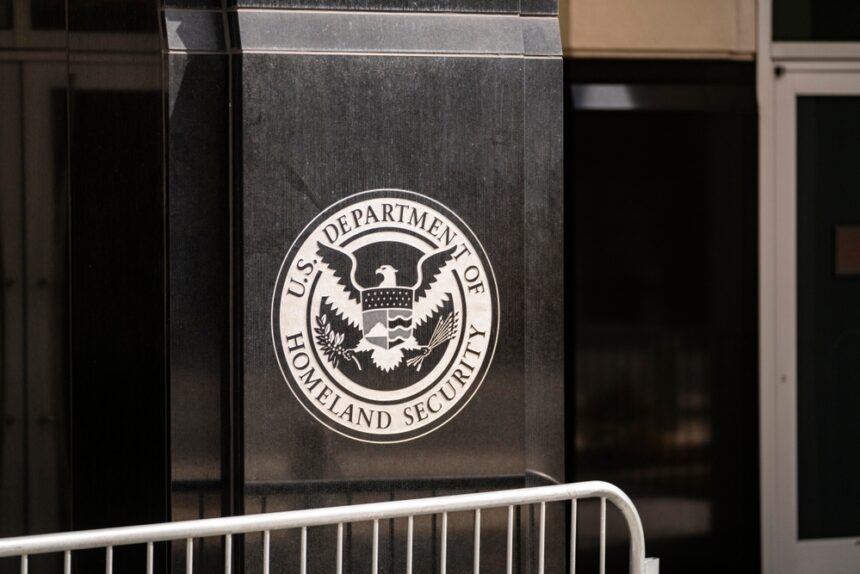
International students, exchange visitors and foreign journalists in the United States are about to face a very different set of rules. The Department of Homeland Security finalized a regulation this week that scraps the decades old system allowing these visa holders to remain in the country for as long as their program lasts, replacing it with fixed time limits that will force many to seek renewed permission just to stay.
Under the new framework, most F visas for international students and J visas for cultural exchange visitors will be capped at four years, plus a 30 day grace period. I visas for members of the media will shrink dramatically, dropping to a maximum of 240 days, or just 90 days for journalists from China. Anyone needing more time will have to file for an extension through U.S. Citizenship and Immigration Services rather than simply continuing under their original status.
A visa system built on trust gives way to deadlines
For decades, F-1 students were admitted for what is known as duration of status, meaning they could stay as long as they remained enrolled full time, followed program requirements and made normal academic progress. That system let students focus on their studies without constantly renewing paperwork. The new rule ends that arrangement entirely, replacing it with hard deadlines that apply regardless of whether a student has finished a degree, is heading into graduate school or wants to gain related work experience.
The change also cuts in half the window students have to leave the country after finishing their studies, dropping it from 60 days to just 30. Graduate students will no longer be able to shift their stated academic goals at any point, and transferring schools will require formal authorization rather than the more flexible process currently in place.
DHS says growth in visa numbers demands oversight
The Department of Homeland Security pointed to a sharp rise in visa volume as justification for the overhaul. More than 1.8 million student visas were issued in 2024 alone, marking an increase of over 11% from the previous year, while more than 500,000 exchange visitors and over 37,000 media representatives received visas that same fiscal year. Officials argued that keeping pace with that many long term visitors has become increasingly difficult, citing examples of students and exchange participants remaining in the country for decades under the old system.
The rule takes effect 60 days after its Friday publication in the Federal Register, putting the new fixed term framework on track to begin September 17. Those already living in the country under the old open ended status will generally be allowed to finish their current program or remain for up to four additional years under transition provisions built into the rule.
Universities and critics warn of steep costs
Reaction from universities, immigration attorneys and press advocates has been sharply critical. Opponents argue the shift could disrupt degree completion for students whose research runs longer than four years, and they warn that residency and physician training programs, which often extend well beyond that window, could face significant administrative hurdles. Critics also say the added filings will raise costs for both students and the institutions that sponsor them.
One former DHS official said the rule cuts against a widely shared understanding of the value international students bring to American campuses. An immigration policy expert at the Cato Institute went further, arguing there is no legal justification for the new restrictions on changing academic goals or transferring schools, and warning that students who have spent years building a life in the United States could suddenly find themselves with just 30 days to secure a sponsoring employer before falling out of status entirely.
Part of a broader immigration crackdown
The visa overhaul is the latest move in an immigration crackdown that has defined the administration since taking office in early 2025. Officials have already revoked student visas and green cards tied to ideological activity on campuses and stripped legal status from hundreds of thousands of migrants across other categories. China’s government has separately objected to the shorter visa terms facing its journalists, calling the distinction discriminatory, though the Chinese Embassy did not immediately comment on the finalized rule.
With publication now set and a clear effective date on the calendar, universities, hospitals and newsrooms that rely on international talent have roughly two months to prepare for a system that looks nothing like the one they have operated under for years.