

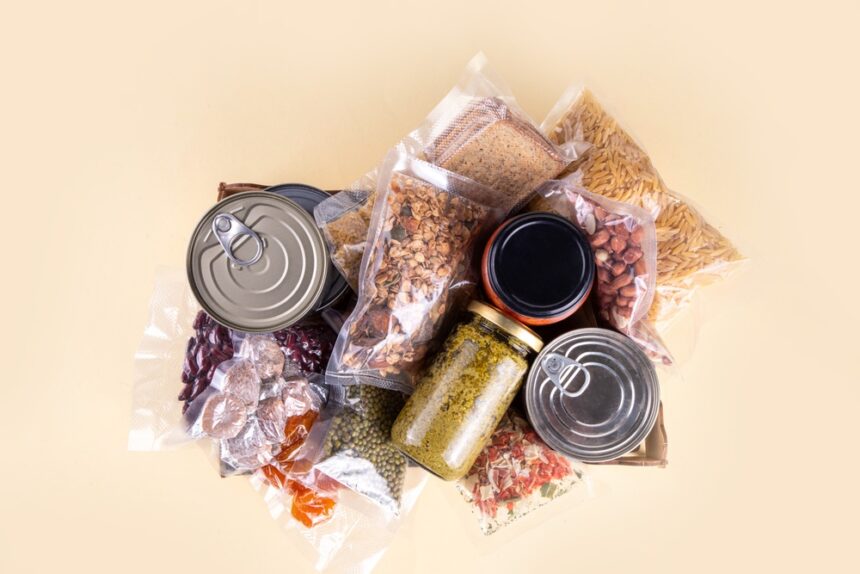
A viral text is telling Americans to stock up on 90 days of food and emergency supplies.
The message, passed from friend to friend, describes a cyber specialist who came home from a conference worried about Iran, its hacking abilities and what might follow the Nov. 3 midterm elections. It names no verifiable sources.
A closer look shows a more measured picture.
Where did the 90 day number come from?
On Sept. 30, Secretary of War Pete Hegseth announced Operation FORTRESS, a military resilience plan. Planning documents reported in late October require major bases in the continental United States to keep running for at least 90 days without outside power, water, fuel or supplies.
That standard applies to military bases, not households. The Pentagon did not respond to a request for comment, according to The Epoch Times.
Still, the news spread. Former FBI Deputy Director Dan Bongino urged podcast listeners to keep 30 days of supplies, while commentator Glenn Beck suggested two weeks and cautioned against panic.
How many emergency supplies do officials recommend?
FEMA’s Ready.gov advises families to keep emergency supplies that include at least several days of nonperishable food and one gallon of water per person per day.
Other countries are sending similar messages. The United Kingdom launched a Be Ready campaign on Oct. 22 urging three days of food and water, cash, a flashlight and a radio. Japan’s disaster management minister urged at least three days of supplies on Nov. 2, and ideally a week.
The European Union calls for 72 hours of self sufficiency, Sweden advises at least a week and Germany recommends up to 10 days.
Is the cyber threat real?
The threat is not imaginary. In late July, hackers targeted equipment at more than 30 community water systems in Minnesota, state officials said, and a federal agency reported malicious activity aimed at more than 100 water systems that month.
Officials investigated possible links to hackers tied to Iran, though no agency has formally assigned blame, and drinking water was never made unsafe.
In Europe, hackers seized control of refrigerators at hundreds of French supermarkets in October and spoiled large amounts of food. Similar attacks hit stores in at least seven European countries on Nov. 2. Two hacker groups aligned with Russia claimed responsibility, and Russia has denied involvement.
What emergency supplies should families buy first?
The president of a California emergency supply company told The Epoch Times that sales of emergency backpacks have risen sharply since the Pentagon news. He recommends at least two weeks of food, water and hygiene supplies, plus a month of prescription medications and some cash.
For families with $200 to $300, he said food and water come first, followed by a first aid kit, a hand crank flashlight that can charge a phone, a weather radio and water purification tablets.
Building emergency supplies slowly, a few items each shopping trip, can ease the cost and avoid panic buying.
How do longtime preppers see it?
A Tennessee homesteader said preparing for a job loss, tornado, fire or flood is mostly the same. He compares stored emergency supplies to a fire extinguisher that people hope never to use, and he donates older food to his church’s pantry.
A Colorado homesteader who lives off the grid warned that panic buyers often give up. He noted that neighbors notice when someone hauls home a car full of food.
The supply company president urged people to join a local Community Emergency Response Team and talk with neighbors about getting their own emergency supplies.
His bottom line was simple. Once a hurricane or earthquake hits, it is too late to start gathering emergency supplies.