
The machines that build American cars, electronics and packaged foods are the latest target of the White House’s trade agenda. And like several other industries before it, it now faces the threat of new tariffs.
President Donald Trump signed a proclamation Wednesday, Oct. 28, 2026, finding that imports of robotics, industrial machinery and their parts threaten U.S. national security.
What does the proclamation on industrial machinery do?
It directs the Commerce Department and the U.S. Trade Representative to pursue or continue negotiations with foreign trading partners to adjust imports so they no longer pose a threat. Trump must receive updates on the talks within 180 days. The talks could lead to agreements that limit imports or encourage foreign companies to invest in American production.
The proclamation does not impose tariffs right away, but Trump said he could do so later. Under the law, the president can impose tariffs, quotas or other limits if negotiations fail.
The decision follows an investigation that began in September 2025 and lasted more than a year. The Commerce Department asked for public comment on the review in the fall of 2025.
What industrial machinery is covered?
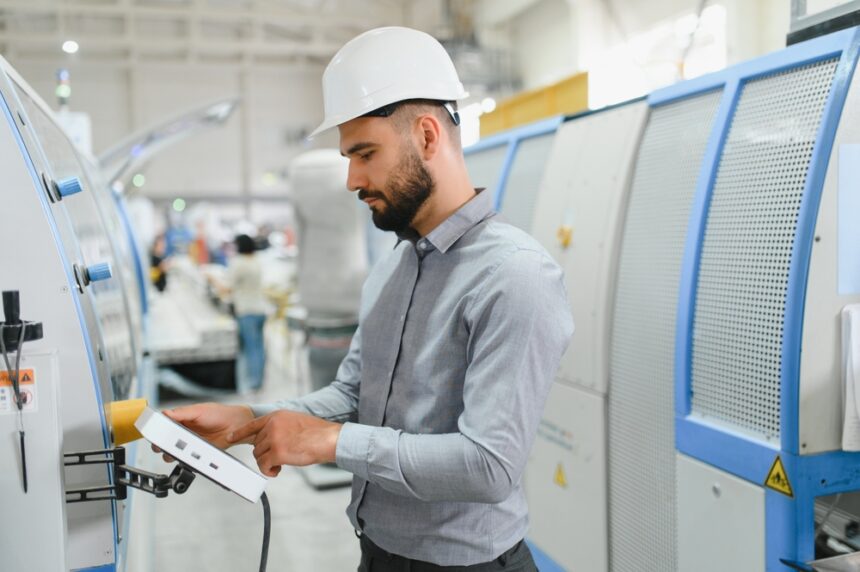
The review covered programmable robots and mechanical systems controlled by computers, industrial stamping and pressing machines, and machine tools used to cut, weld and handle parts.
It also included autoclaves, industrial ovens and machines that cut with lasers or jets of water. Many of these tools are essential for making parts used in cars, aircraft and military equipment.
Why does the administration see a security threat?
According to the proclamation, robotics and industrial machinery support defense systems, all 16 of the country’s critical infrastructure sectors and factories that make cars, electronics, metals, plastics, chemicals and food.
The equipment supported about $7.1 trillion in factory shipments and $86 billion in equipment production in 2024. Those figures show how deeply the equipment is woven into the economy.
The investigation found that U.S. production falls short of demand despite recent investments, leaving the country dependent on foreign suppliers for most types of these goods. Imports have grown over the past decade and are expected to keep rising.
The proclamation also warned that industrial machinery from certain foreign companies could pose cybersecurity risks, because the machines process and store sensitive data. Modern factory machines are often connected to networks, which can make them targets for hacking.
How could this affect manufacturers?
Many American factories rely on imported robots and machine tools, much of which comes from countries such as Japan, Germany, Switzerland and China. Some of the world’s largest robot makers are based overseas.
Tariffs on industrial machinery could raise costs for those manufacturers and slow plans to expand production at home, critics warn. Higher equipment costs could eventually show up in the prices of finished goods.
Supporters, including groups representing domestic producers, say the move could encourage companies to build more equipment in the United States and reduce reliance on rivals. They argue that relying on rivals for critical equipment leaves the country vulnerable in a crisis.
How does this fit Trump’s trade strategy?
The administration has used the same national security authority, under Section 232 of the Trade Expansion Act of 1962, to impose tariffs on steel, aluminum, copper and autos. Last week, Trump signed a similar order covering wind turbines. Trade experts have noted that tariffs under this law tend to last longer than those imposed under emergency powers.
A separate investigation into medical devices began at the same time as the industrial machinery review.
What happens to imports of industrial machinery may depend on the outcome of talks over the next six months.