
With voters heading to the polls next week, questions about who will be watching them have reached a federal courtroom.
FBI and Immigration and Customs Enforcement employees will not serve as federal election monitors during the Nov. 3 midterm elections, the Justice Department said in a court filing Wednesday, Oct. 28, 2026.
Who will serve as election monitors?
The department plans to send about 1,000 workers to monitor polling places in all 50 states. A department official said in a sworn statement that no FBI or ICE employees, much less agents, will serve in that role. The statement was filed in federal court in Washington.
Monitors will instead include employees from the Federal Bureau of Prisons, the Bureau of Alcohol, Tobacco, Firearms and Explosives and the Drug Enforcement Administration, according to the filing. Those agencies are part of the Justice Department.
The official said he knew of only one Department of Homeland Security employee taking part, a Customs and Border Protection worker serving among the election monitors on behalf of the Justice Department rather than as a representative of Homeland Security.
The department said it is not using sworn officers with arrest powers as election monitors in a law enforcement role.
What will the election monitors do?
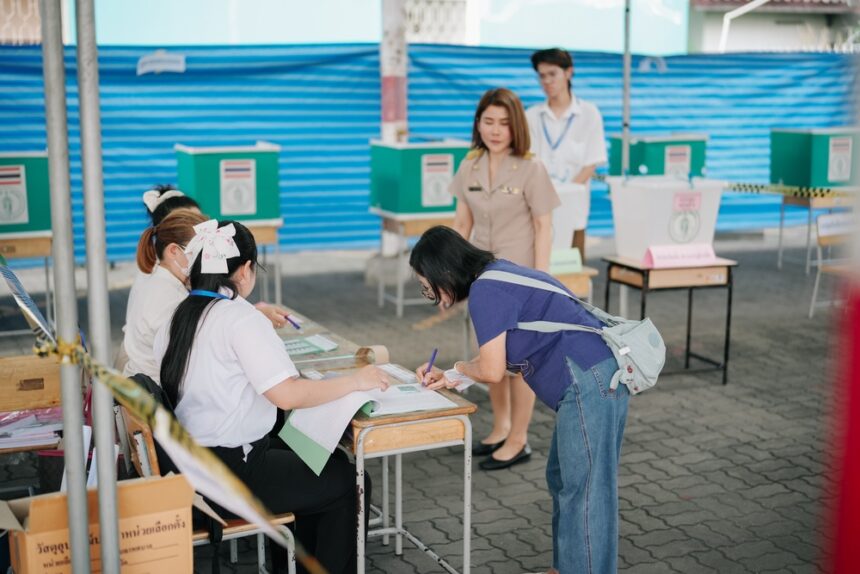
A department spokeswoman said every monitor will only observe and report possible violations of federal law, which the department will review after Election Day. Monitors typically watch how polls operate and do not question voters or handle ballots.
Federal election monitors have been used for decades, often to check that polling places follow voting rights laws, including access for voters with disabilities and those who speak other languages.
Why is the plan drawing scrutiny?
The deployment would be the largest of its kind, according to the head of the department’s Civil Rights Division. The department sent about 289 monitors during the 2022 midterms and 714 during the 2024 presidential election. It remains unclear how the department will staff all 1,000 positions or how monitors will be trained and vetted.
Critics worry that a larger presence, especially of people with law enforcement backgrounds, could intimidate voters. Reports that the department sent criminal prosecutors and an FBI agent to monitor Arizona’s primary heightened those concerns. The department has said the monitors are meant to protect the integrity of the vote.
Two recent incidents involving federal agents near early voting sites in Florida also drew attention, and one prompted a complaint to the FBI, according to reports.
Federal law bars the use of troops or armed federal officers at polling places to interfere with elections. Voter intimidation is also a federal crime.
What is the NAACP lawsuit about?
The filing came in a lawsuit brought by the NAACP, which is seeking records about the legal authority, staffing, training and locations behind the plan. The suit is led by the group’s general counsel, who previously led the Justice Department’s Civil Rights Division.
The lawsuit does not ask the court to stop the deployment. It asks the court to order the department to preserve and quickly release records. The group filed the suit in early October, about a month before the election.
Homeland Security did not respond to a request for comment.
What does this mean for voters?
Election monitors generally observe without interfering in voting, and voters who feel intimidated can report problems to state election officials or the Justice Department’s voting section. Voters can also contact nonpartisan election protection hotlines for help.
With early voting underway in many states, the debate over election monitors is likely to continue through Election Day. A judge has not yet ruled on the NAACP’s requests.